Does Florida Have Good Healthcare for Seniors?
Luana B. Gann, Editor
7/7/2026


Quick Answer: Yes and no — and the honest answer genuinely depends on where in Florida you're asking about. Florida is home to some of the best-ranked hospitals in the entire country, including consistent national top-20 performers, and it has one of the largest and most competitive Medicare markets in the United States, with more than 5 million beneficiaries and over 600 available Medicare Advantage plans. But Florida also faces real primary care and rural physician shortages that disproportionately affect older residents outside its major metro areas. This is a state with genuine healthcare excellence at the top — and genuine access gaps underneath it.
In This Article
The Good News First: Florida's Hospitals Are Genuinely Excellent
Florida's Massive Medicare Market — And Why That's a Double-Edged Sword
Rural Florida vs. Metro Florida: Two Very Different Healthcare Realities
What Actually Matters When Evaluating Care as a Senior in Florida
The Good News First: Florida's Hospitals Are Genuinely Excellent
Let's start with what Florida does exceptionally well, because it's real and it's substantial: Florida is home to some of the highest-ranked hospitals in the entire United States.
AdventHealth Orlando has been named Florida's top hospital and ranked among the nation's top 20 by U.S. News & World Report for 15 consecutive years — placing it in the top 1% of more than 4,000 hospitals nationwide. It ranks among the top 50 U.S. hospitals across 11 clinical specialties and performed at the highest level across all 22 evaluated procedures and conditions in the 2025–2026 U.S. News & World Report rankings.
Mayo Clinic's Jacksonville campus consistently earns top marks in independent hospital rankings, including strong performances in the Newsweek/Statista Best-in-State Hospitals 2026 rankings and Forbes' inaugural Top Hospitals list. In fact, according to reporting from WUSF Health News Florida, Florida placed 29 hospitals on Forbes' national Top 100 list, with 11 of them earning a full five-star rating — a genuinely strong statewide showing that reflects real depth, not just one or two standout institutions.
Tampa General Hospital is another consistent statewide and regional performer, appearing prominently in Newsweek's rankings alongside Mayo Clinic Jacksonville. This is a state with real clinical excellence concentrated in its major metro areas — Orlando, Tampa, Jacksonville, and Miami all host hospitals that would be considered elite by any national standard.
🏥 Florida's Standout Performers (2025–2026 Rankings) AdventHealth Orlando — U.S. News Top 20 nationally, 15th consecutive year
Mayo Clinic Hospital – Jacksonville — Consistently top-ranked in Newsweek and Forbes rankings
Tampa General Hospital — Strong statewide and regional performer
29 Florida hospitals made Forbes' national Top 100 list, with 11 earning five stars
Florida's Massive Medicare Market — And Why That's a Double-Edged Sword
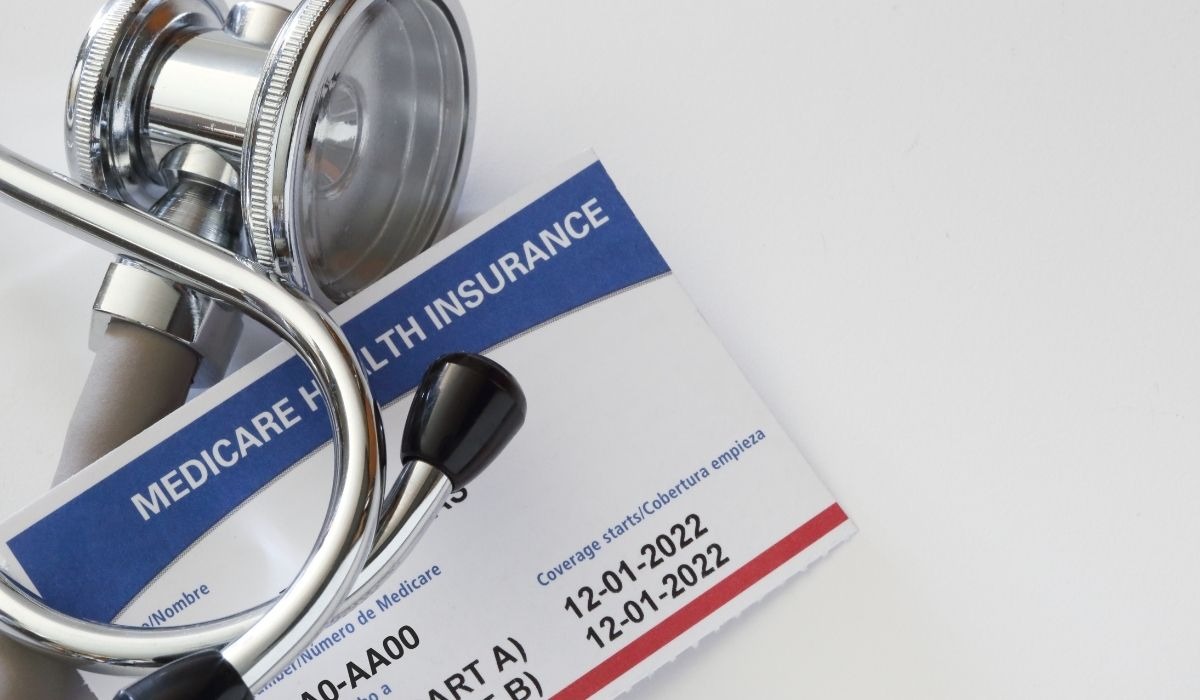
Florida has one of the largest Medicare populations in the country, with more than 5 million Medicare beneficiaries statewide, according to NerdWallet's 2026 review of Florida Medicare Advantage plans. That scale has produced an enormous, genuinely competitive Medicare Advantage marketplace — 611 different plans are available across the state, offered by major carriers including CarePlus, Humana, Aetna, Florida Blue, HealthSpring, and UnitedHealthcare.
Nationally, Medicare Advantage enrollment has grown to cover roughly 55% of eligible beneficiaries as of 2026, according to KFF's 2026 Medicare Advantage enrollment analysis — a trend Florida has generally tracked closely, with roughly 54% of Florida seniors having chosen Medicare Advantage over traditional Medicare as of 2024.
Here's where it gets genuinely important for Florida families to understand: more choice is not automatically better. A detailed 2026 Physician's Guide for Florida Seniors, compiled with direct physician input, offers a pointed warning that deserves real attention: Medicare Advantage promotional materials frequently omit crucial details about what beneficiaries give up — including limited physician choice, restrictive medication access through narrower drug formularies, and genuine difficulty switching back to traditional Medicare later if a plan doesn't work out, particularly for seniors with pre-existing conditions.
The guide's core message is one Florida Current thinks is worth repeating plainly: more plan options doesn't mean more informed decisions. Florida seniors evaluating Medicare Advantage plans should look specifically at network adequacy (can you actually see the doctors you want to see?), prior authorization policies (how often does the plan require pre-approval before covering care?), and drug formularies (are your actual medications covered, and at what cost?) — not just the premium and the flashy TV commercial.
The Part Nobody Advertises: Florida's Physician Shortage
This is the part of the healthcare conversation that tends to get skipped in glossy retirement marketing — and it's exactly why Florida Current is addressing it directly.
Florida faces a genuine and measurable primary care physician shortage, and the consequences fall disproportionately on older residents. A peer-reviewed study published in the National Institutes of Health's PubMed Central archive examined primary care physician supply and population health outcomes across Florida from 2010 to 2019 and found a clear, measurable relationship: more primary care physicians per capita correlated directly with lower obesity rates, longer life expectancy, and lower mortality rates. The inverse was equally true — areas with fewer physicians per capita showed measurably worse health outcomes.
This isn't a Florida-only problem, but Florida's demographics make it a particularly acute one. The federal Health Resources and Services Administration's State of the Primary Care Workforce 2025 report projects a shortage of more than 70,600 full-time equivalent primary care physicians nationally by 2038, with the gap significantly worse in nonmetro areas — and notes specifically that low numbers of trained geriatricians remain a persistent, unresolved challenge nationwide, precisely the specialty that matters most for an aging population like Florida's.
👴 Older Doctors Treating Older Patients There's a genuinely underappreciated wrinkle in this issue: many of the physicians treating Florida's aging population are themselves nearing retirement. Research on the broader rural physician workforce found that over half of rural physicians nationally are aged 50 or older, and physicians report burnout rates 82.3% higher than other occupations — a dynamic that, left unaddressed, could see rural physician numbers decline by as much as 23% by 2030. Florida's rural and inland communities are not exempt from this national trend.

Rural Florida vs. Metro Florida: Two Very Different Healthcare Realities
This is the honest core of the "does Florida have good healthcare for seniors" question — and the answer changes dramatically depending on which Florida you're actually talking about.
Metro Florida — Orlando, Tampa, Miami, Jacksonville, and their surrounding suburbs — has genuine access to elite hospital systems, deep specialist networks, and the full competitive Medicare Advantage marketplace described above. A senior living in these areas is, generally speaking, well positioned to access excellent care, provided they navigate the plan selection process carefully.
Rural and inland Florida tells a different story. A study specifically examining physicians treating the elderly in rural Florida found that more than half of surveyed rural physicians reported reducing or eliminating services — including, concerningly, preventive care like vaccinations and mental health services — with the trend more pronounced among physicians who saw a higher volume of Medicare patients. This is a genuinely troubling finding: the physicians treating the most Medicare patients were also the ones most likely to be scaling back services, often citing lower reimbursement rates and higher administrative burden associated with Medicare billing.
The Commonwealth Fund's November 2025 issue brief on rural primary care nationally reinforces the scale of the broader problem: more than 40 million rural Americans live in areas with insufficient primary care access, and by 2037, rural areas nationwide are projected to meet only 68% of their primary care needs. Florida's substantial rural interior — the areas well outside the I-4 corridor and South Florida's metro sprawl — isn't insulated from this national pattern.
Telehealth has emerged as one meaningful, if partial, solution — expanding significantly in recent years as a way to extend specialist and primary care access into underserved areas without requiring a physical office visit. It doesn't fully solve the problem, particularly for seniors less comfortable with video-based care or with limited broadband access, but it has measurably improved reach in areas that would otherwise have none.


What Actually Matters When Evaluating Care as a Senior in Florida
For families genuinely trying to make good healthcare decisions — whether relocating to Florida, aging in place, or helping a parent navigate the system — a few practical, evidence-based priorities matter more than marketing claims:
Location relative to major hospital systems matters enormously. Proximity to AdventHealth, Mayo Clinic, Tampa General, or another top-ranked system is a genuinely meaningful factor, not just a nice-to-have. Distance to specialist care in a true medical emergency can be the difference that matters most.
Medicare Advantage network adequacy deserves real scrutiny before enrollment. Confirm your specific doctors and specialists are actually in-network — not just "accepting new patients," but specifically covered under the plan you're considering. Ask directly about prior authorization requirements for services you're likely to need.
Rural and inland residents should factor healthcare access explicitly into relocation decisions. If you or a loved one is considering a move to a quieter, more rural part of Florida, the tradeoff in healthcare access is real and worth researching specifically — not assumed to be equivalent to metro Florida simply because it's the same state.
Geriatric-specific care is worth actively seeking out, not assuming is automatically available. Given the documented national shortage of trained geriatricians, asking specifically whether a primary care provider has geriatric training or experience — rather than assuming any internist can adequately manage complex, multi-condition elderly care — is a genuinely worthwhile question to ask directly.
Telehealth availability should factor into plan and provider selection, particularly for seniors in areas with documented physician shortages, as a meaningful supplement to (not replacement for) in-person care.


Florida's Senior Healthcare FAQ
Are Florida hospitals actually ranked among the best in the country? Yes, genuinely. AdventHealth Orlando has been named among the nation's top 20 hospitals by U.S. News & World Report for 15 consecutive years, placing it in the top 1% of more than 4,000 U.S. hospitals. Mayo Clinic's Jacksonville campus and Tampa General Hospital also consistently rank highly in independent national rankings. Florida placed 29 hospitals on Forbes' 2026 Top 100 list, with 11 earning a five-star rating.
Is Medicare Advantage a good option for Florida seniors? It can be, but it requires careful evaluation rather than assuming more plan options automatically means better coverage. Florida has 611 Medicare Advantage plans available, and roughly 54% of Florida seniors have chosen this route over traditional Medicare. A physician-informed guide for Florida seniors specifically warns that promotional materials often omit important details about network limitations, prior authorization requirements, and the difficulty of switching back to traditional Medicare later.
Does Florida have a doctor shortage that affects seniors? Yes, particularly in primary care and especially in rural and inland areas. Research has documented a measurable correlation between primary care physician supply and health outcomes in Florida, including life expectancy and mortality rates. A national shortage of geriatric specialists compounds this issue specifically for older patients.
Is healthcare access different in rural Florida compared to cities like Orlando or Miami? Yes, substantially. Metro areas have access to elite hospital systems and deep specialist networks. Rural and inland Florida faces documented physician shortages, with studies finding that many rural physicians treating elderly patients have reduced or eliminated services, including preventive care, often citing low Medicare reimbursement rates and administrative burden.
Should I consider healthcare access when choosing where to retire in Florida? Yes, explicitly. Proximity to a top-ranked hospital system is a meaningful practical factor, not just a preference. Seniors and families considering rural or inland Florida communities should research local healthcare access specifically, rather than assuming it matches the quality available in Florida's major metro areas.
What should Florida seniors look for when choosing a Medicare Advantage plan? Network adequacy (confirming your specific doctors are genuinely in-network), prior authorization policies for services you're likely to need, and drug formulary coverage for your actual medications — not just the monthly premium or advertising claims. A 2026 physician-compiled guide for Florida seniors recommends this level of specific scrutiny before enrolling.
Sources
U.S. News & World Report — America's Best Hospitals: The 2025–2026 Honor Roll and Overview
AdventHealth — U.S. News & World Report Names AdventHealth Orlando Top Hospital in Florida
Newsweek / Statista — America's Best-in-State Hospitals 2026, Florida
Forbes — Top Hospitals in America 2026 List
WUSF Health News Florida — Florida Hospitals Shine on Forbes Top 100 List
KFF — Medicare Advantage in 2026: Enrollment Update and Key Trends
NerdWallet — Best Medicare Advantage Plans in Florida 2026
Duval County Medical Society — 2026 Physician's Guide for Florida Seniors
PubMed Central (NIH) — Primary Care Physician Supply and Population Health Outcomes in Florida
HRSA — State of the Primary Care Workforce, 2025
Commonwealth Fund — The State of Rural Primary Care in the United States (November 2025)
Wiley Online Library — Physicians Who Treat the Elderly in Rural Florida: Trends and Implications




Florida Current covers lifestyle, weather, outdoor life, and everything that comes with living in the Sunshine State. Browse our Florida Living section for regional guides, seasonal activity calendars, retirement guides and practical advice from people who actually live here.
Florida native Luana B. Gann brings more than 30 years of publishing, editing, and journalism experience to Florida Current. With a deep appreciation for the Sunshine State's culture, lifestyle, and ever-changing landscape, she is dedicated to helping readers discover what's new, noteworthy, and uniquely Florida.
CONTACT
Reach out for questions or feedback anytime.
contact@FLAcurrent.com
© 2026. All rights reserved.