Boating Capital of the World: Why Fort Lauderdale, Florida Owns the Title
Luana B. Gann, Editor
6/22/2026
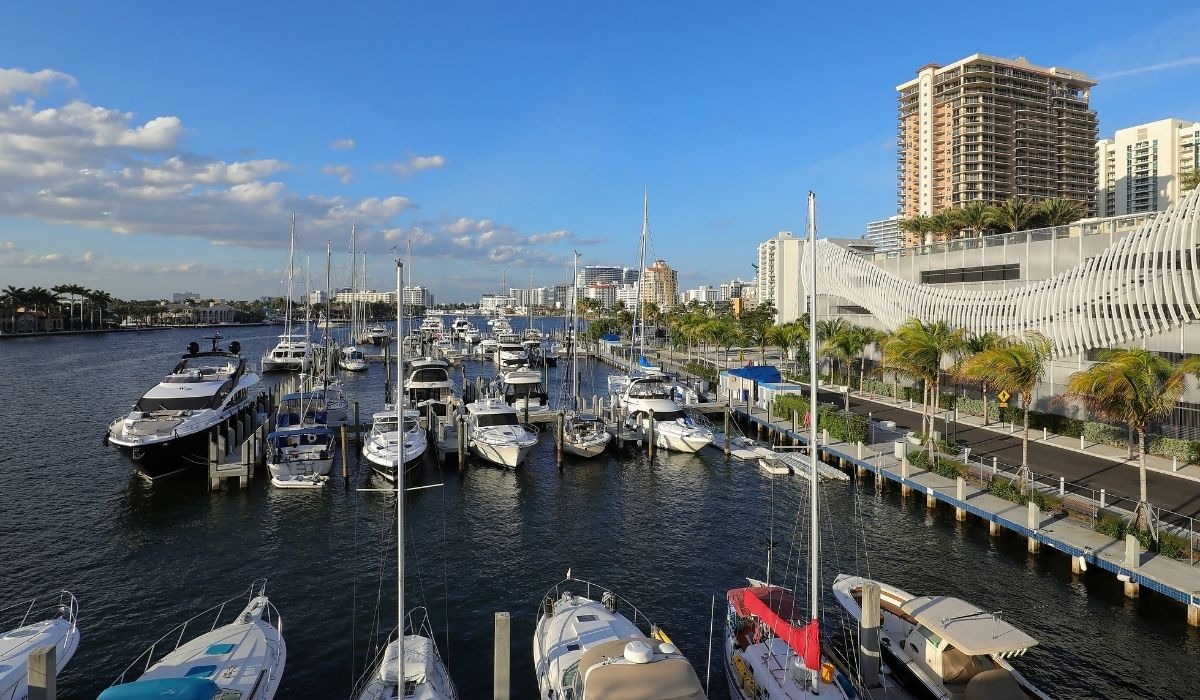
Quick Answer Fort Lauderdale, Florida holds the widely recognized title of Boating Capital of the World — and it is not a self-appointed honorary. The city has more than 165 miles of navigable inland waterways, hosts the Fort Lauderdale International Boat Show (the largest in-water boat show on the planet), and sits at the center of a state that registers more recreational boats than any other in the country — nearly one million. Florida does not merely participate in boating culture. In many ways, it invented the American version of it.
Table of Contents
Why Fort Lauderdale Specifically? The Numbers Behind the Title
The Fort Lauderdale International Boat Show: Go At Least Once
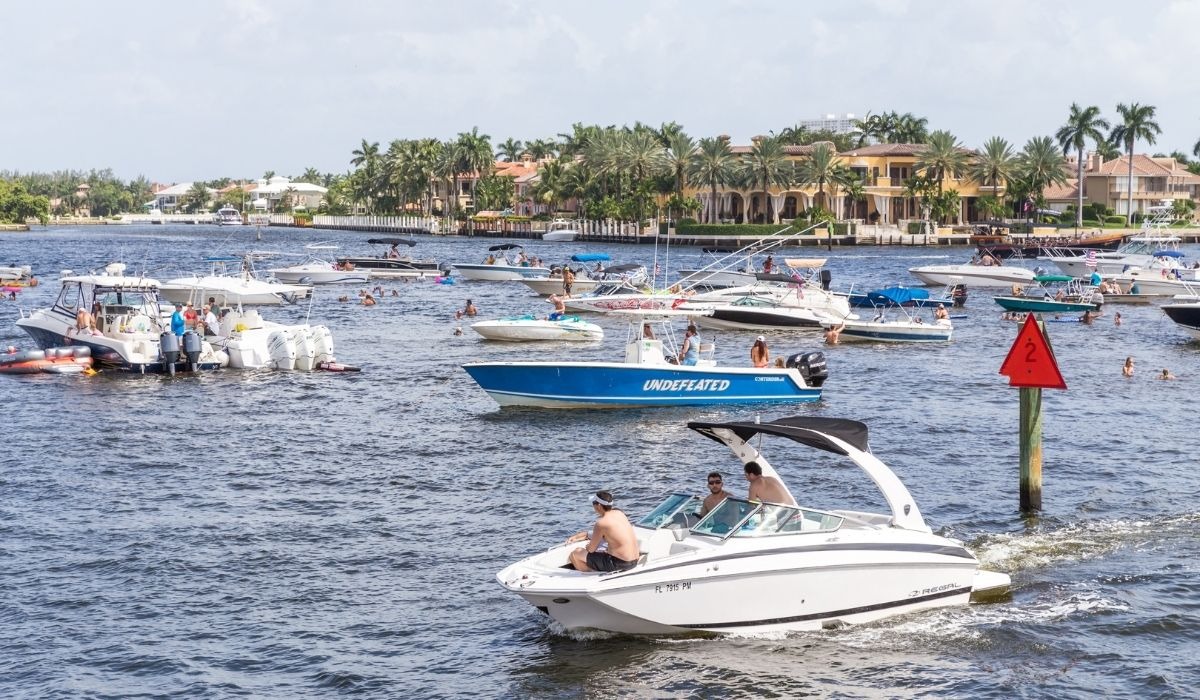
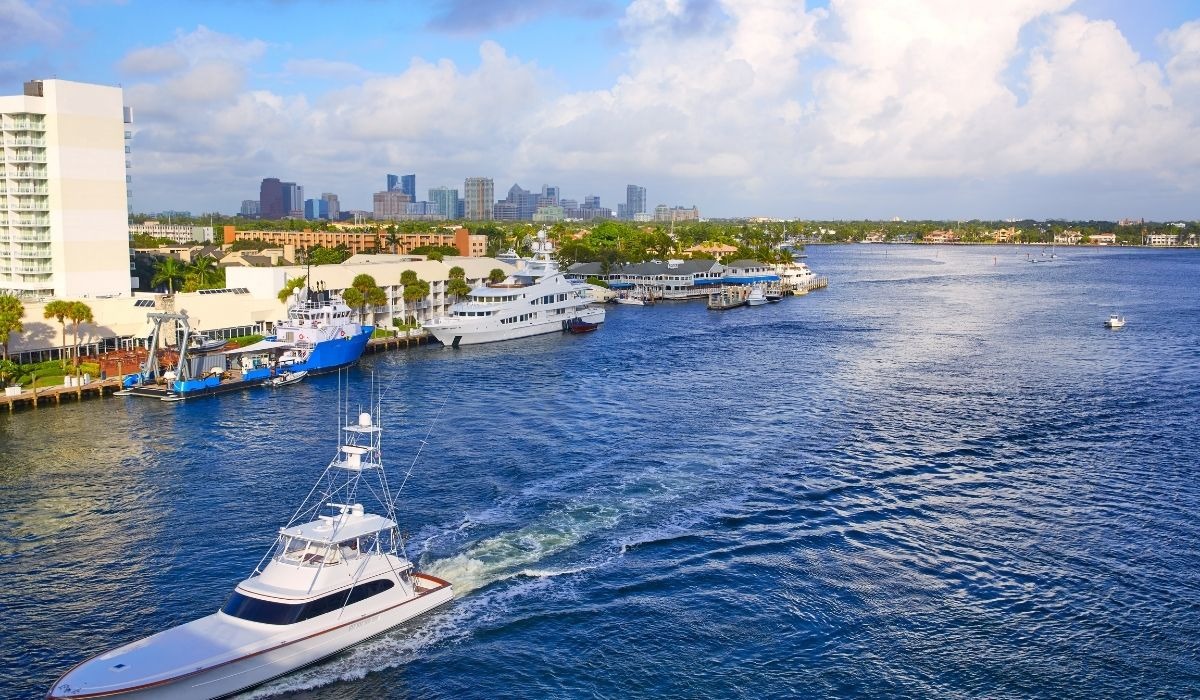
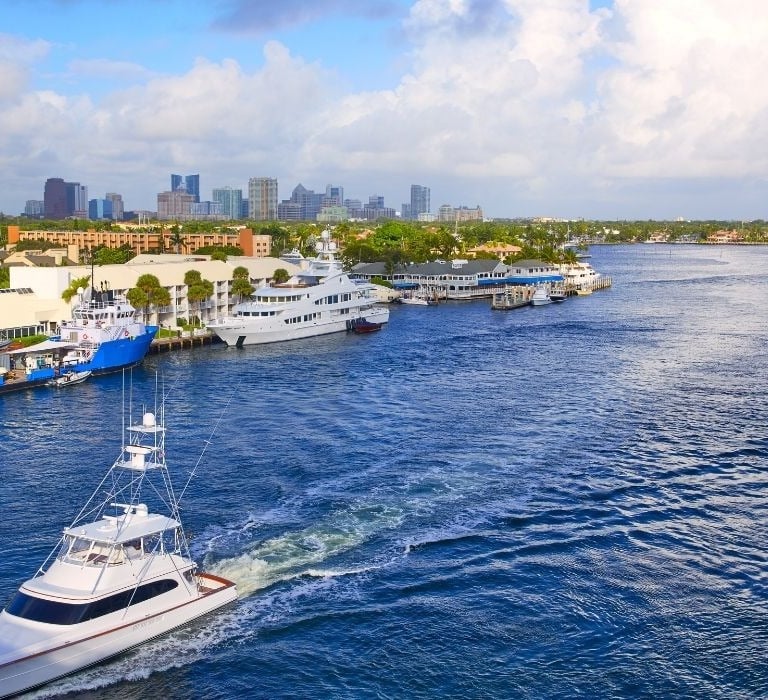
Life on the Water: What Fort Lauderdale's Waterways Actually Look Like
What You Need to Know Before You Get on the Water in Florida
Florida and Boats: A Relationship That Goes Way Back
Florida's relationship with boats is not a lifestyle trend or a tourism marketing angle. It is geographic inevitability. The state has 1,350 miles of coastline — more than any other contiguous U.S. state — plus 11,000 miles of rivers, streams, and waterways, and 7,700 lakes of ten acres or larger. There is virtually no part of Florida that is not close to navigable water of some kind, and Floridians, sensibly, took note of this a long time ago.
The result is a boating culture so embedded in the state's identity that Florida consistently registers more recreational watercraft than any other state in the country — currently hovering near one million registered boats, a figure that represents roughly one in five Florida households owning a vessel of some kind. The Florida Fish and Wildlife Conservation Commission oversees boating regulations across those waters, managing everything from safety requirements to the manatee protection zones that are as much a part of Florida boating as sunscreen.
Fort Lauderdale is where that culture reaches its most concentrated, most international, and frankly most spectacular expression — but the boating identity runs the full length and width of the state, from the fishing flats of the Florida Keys to the pleasure craft on Lake Okeechobee to the spring-fed rivers of North Florida where the water runs so clear you can read a newspaper on the bottom. It is worth celebrating all of it.
Why Fort Lauderdale Specifically? The Numbers Behind the Title
The "Boating Capital of the World" designation lands on Fort Lauderdale for reasons that hold up to scrutiny. Other cities have water. Other cities have marinas. Fort Lauderdale has an entire civic infrastructure organized around the marine industry in a way that goes well beyond recreation.
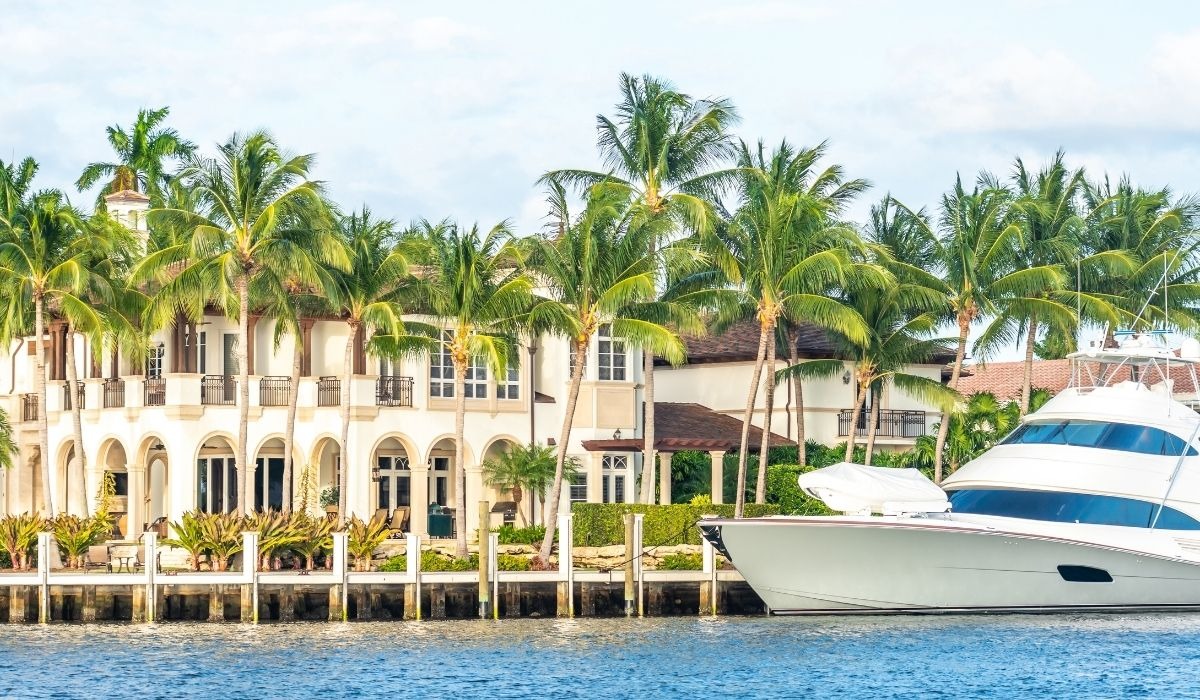
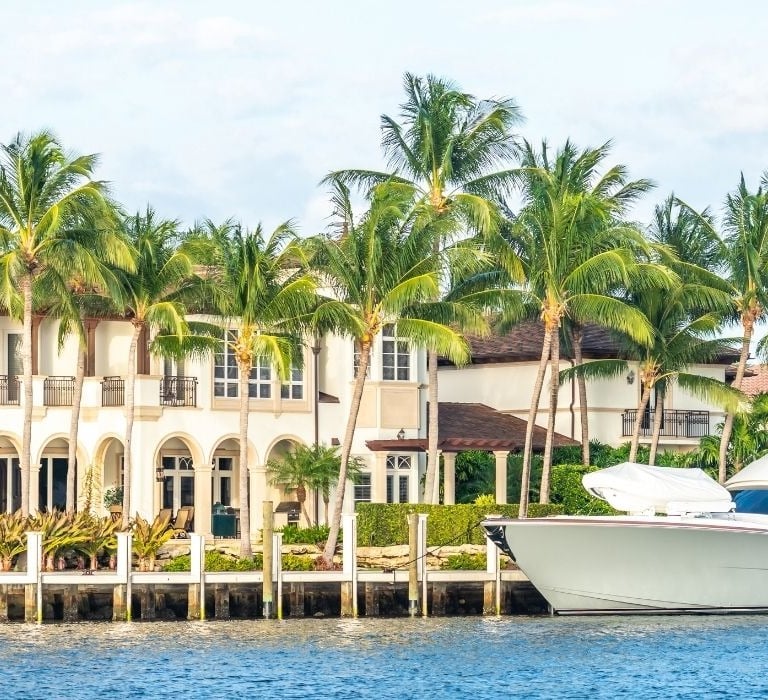
165-plus miles of navigable inland waterways. That figure — which earns Fort Lauderdale its companion nickname "the Venice of America" — represents a network of canals, rivers, and inlets that weave through the city so comprehensively that for many Fort Lauderdale residents, the boat is not a weekend toy. It is a primary form of transportation. The New River cuts through downtown. The Intracoastal Waterway runs along the eastern edge. Residential canals branch off in every direction through neighborhoods where homes have private docks instead of driveways and waterfront access is a standard feature rather than a luxury upgrade.
More than 50,000 registered vessels in Broward County alone. That is the county Fort Lauderdale anchors. Add the surrounding South Florida market and the numbers climb further.
The Marine Mile. Along State Road 84 through Fort Lauderdale runs one of the densest concentrations of marine businesses on earth — boat dealers, yacht brokers, marine electronics suppliers, shipyards, boat repair specialists, charter companies, and marine financing offices lined up along what the industry simply calls Marina Mile. It is less a street and more an ecosystem. The businesses there collectively represent hundreds of millions of dollars in annual economic activity and serve a global clientele.
Bahia Mar Marina. On Fort Lauderdale Beach sits one of the most famous marinas in the Americas — the Bahia Mar, a full-service marina that has been a fixture of South Florida boating culture since the 1950s and the legendary homeport of Travis McGee, the fictional salvage consultant and reluctant hero of John D. MacDonald's beloved mystery series. Travis McGee is fictional. The marina, and the culture it represents, emphatically is not.
Port Everglades. Adjacent to Fort Lauderdale, Port Everglades is one of the busiest seaports in the United States — a hub for cruise ships, cargo, and petroleum products. It is the third largest cruise port in the world by passenger volume. Boats are not a theme here; they are the entire economy.
The Fort Lauderdale International Boat Show: Go At Least Once
If there is a single event that crystallizes Fort Lauderdale's boating capital status, it is the Fort Lauderdale International Boat Show — known as FLIBS — held annually in late October and early November. It is the largest in-water boat show in the world, and the statistics around it are the kind that take a moment to absorb.
More than 1,200 boats and yachts on display. More than 1,400 exhibitors from around the globe. Billions of dollars in vessels on the water simultaneously. Three miles of dockage spanning multiple venues across the city. More than 100,000 attendees during the five-day run. The show has been running since 1959 — which means Fort Lauderdale has been hosting the world's foremost marine event for over six decades, every year, without interruption.
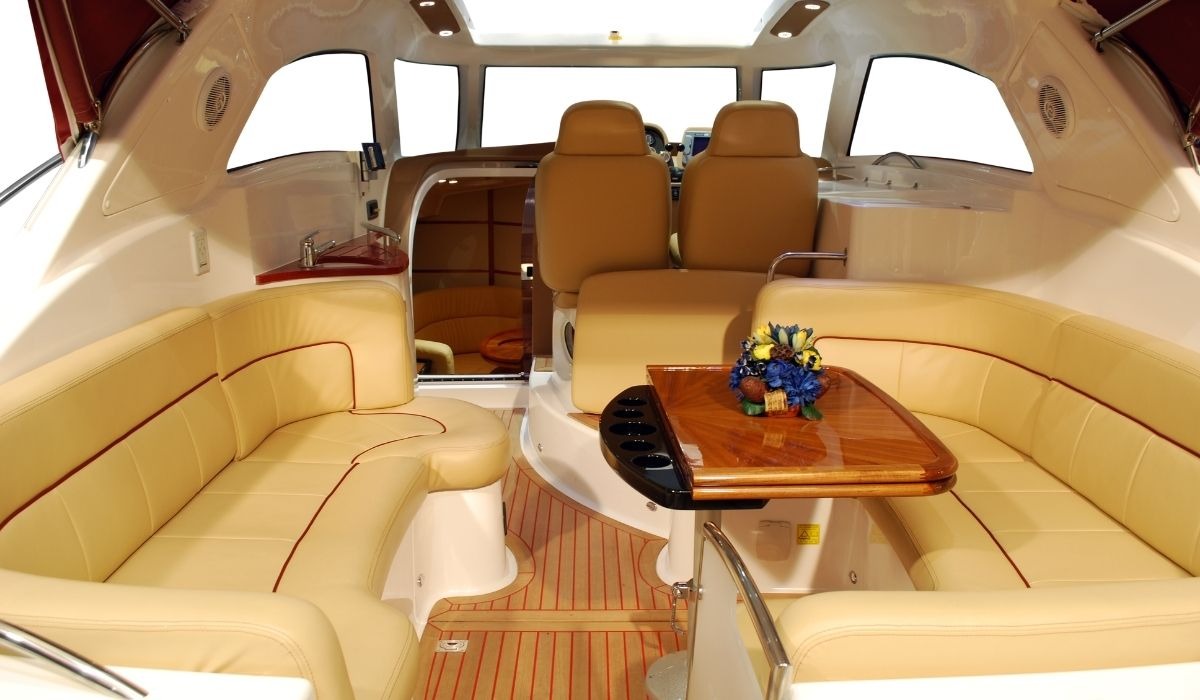
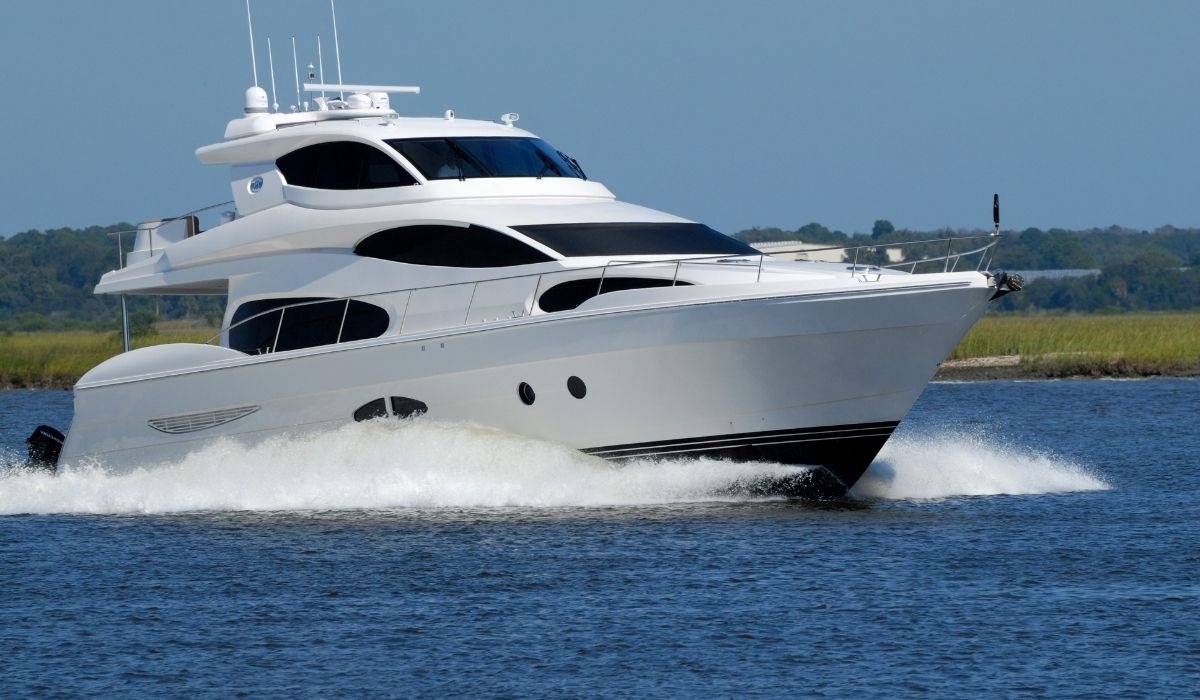
What makes FLIBS different from a conventional trade show or consumer expo is that the product is actually in the water. You are not looking at photographs of yachts or scale models of center consoles. You are walking dock systems with megayachts tied on one side and entry-level fishing boats on the other, stepping aboard vessels at every price point, and watching the global marine industry conduct real business. Yacht builders from Italy, navigation electronics firms from Germany, custom fabrication houses from New Zealand — they all come to Fort Lauderdale in November because this is where the buyers are.
Tickets run approximately $35 to $50 for daily general admission depending on the day, with multi-day passes available. If boats are your world — or if you are simply curious what $20 million buys you in fiberglass and teak — FLIBS is genuinely worth a trip. And if you are visiting Fort Lauderdale around that window for any reason, building your visit around the show dates is a reasonable decision. Plan accommodations early; the city fills up considerably during show week.
Life on the Water: What Fort Lauderdale's Waterways Actually Look Like
The thing that surprises people encountering Fort Lauderdale's waterway system for the first time is how ordinary it all is — in the best possible sense. The canals are not a tourist attraction set apart from real life. They run behind houses, under road bridges, past shopping centers and restaurants. The water taxi that operates across the canal network is not a novelty ride. It is a legitimate transit option that commuters use. Fort Lauderdale Water Taxi serves stops throughout the city, and for visitors staying anywhere near the Intracoastal, it is a more enjoyable way to move around than sitting in traffic.
The neighborhoods built along the canals — particularly Las Olas Isles and the Nurmi Isles — are organized around the fact that every home has water access. Docks are not amenities here; they are as standard as a driveway. Residents leave for dinner by boat, come home by boat, and treat the canal behind their house with the same casual relationship that someone in a landlocked suburb has with their backyard. This is what earned Fort Lauderdale the comparison to Venice — not the architecture, but the seamless integration of water into daily life.
The New River, which flows through the heart of downtown, connects the city's canal system to the Intracoastal and ultimately to the Atlantic. It is also where Tarpon Springs — another of Florida's great maritime communities, worth its own visit for its Greek sponge-diving heritage and waterfront character — draws its cultural comparison point. Our piece on Tarpon Springs: Florida's Sponge Capital captures how deeply water shapes a Florida town's identity when the community builds around it rather than beside it. Fort Lauderdale, at larger scale and with a global audience, does the same thing.
Florida Is the Boating State — Beyond Fort Lauderdale
Fort Lauderdale holds the crown, but Florida's boating culture is genuinely statewide. Here is a look at the boating destinations that round out why Florida dominates this conversation.
Florida's marine economy — encompassing boat sales, marine services, charters, marinas, and related industries — generates an estimated $13 billion annually for the state. That is not a hobby sector. It is one of Florida's foundational industries, employing hundreds of thousands of people and supporting communities from Pensacola to Key West.
And for anyone who has considered Florida as a retirement destination, the boating lifestyle is a legitimate factor that the real estate websites rarely quantify adequately. Living in a state where you can be on the water twelve months a year, where the water itself is warm, clear, and biologically extraordinary, and where the boating infrastructure is more developed than anywhere else in the country — that is a quality-of-life reality that has drawn people here for generations and keeps drawing them.
What You Need to Know Before You Get on the Water in Florida
Florida's waters are extraordinary. They also have specific rules designed to protect both the people on them and the wildlife in them — and a few of those rules surprise newcomers.
Boater education is required for most operators. Anyone born on or after January 1, 1988, must complete a state-approved boating safety course and carry a Boater Education ID card to legally operate a vessel with 10 horsepower or more in Florida waters. The Florida Safe Boating course is available online, takes a few hours to complete, and is a one-time requirement. If you are new to Florida and plan to boat, handle this first.
Manatee protection zones are real and seriously enforced. Florida manatees — gentle, enormous, and endearingly prehistoric — share many of the state's waterways, particularly in the cooler months when they seek warm-water refuges near power plant discharges and natural springs. Slow-speed manatee protection zones exist in most areas where manatees congregate, and violations carry significant fines. Understanding the zone markers before you throttle up is not optional. The FWC manatee zone map is easy to access and worth bookmarking.
Navigation on the Intracoastal requires attention. The Intracoastal Waterway is marked and generally well-charted, but it runs through areas of variable depth, active commercial traffic, and bridge crossings that operate on schedules. If you are new to Florida waters, running the ICW for the first time with a current chart (paper or electronic) and a conservative speed is a reasonable approach. Several Florida bridges are draw bridges or bascule bridges that open on request or on schedule — knowing which ones you will encounter and their operating hours saves real frustration.
Fuel, sunscreen, and a VHF radio. These three items are not exciting to discuss and are always worth mentioning. Florida's boating distances can be deceiving — the trip looks shorter on the chart than it feels in a chop, distances between fuel docks on some routes are significant, and the Florida sun at water level is relentless in a way that is genuinely different from being on land. A VHF marine radio, tuned to Channel 16 for monitoring, is standard equipment on Florida waterways and a genuine safety tool. The BoatUS Foundation has good reference material for anyone getting oriented to Florida boating from scratch.
Florida Current Note If you are buying a home in Florida and waterfront access or boating lifestyle is a priority, factor in the full picture: homeowners insurance for waterfront property — already a more complex conversation in Florida than in most states, as our Florida homeowners insurance breakdown covers — is a different proposition again for homes with docks and for boat owners adding watercraft coverage to the mix. Research that piece of the equation before you fall in love with the dock.
Boating Capital of the World FAQ
Why is Fort Lauderdale called the Boating Capital of the World? The title comes from a combination found nowhere else: 165-plus miles of navigable inland waterways woven through the city itself, the world's largest in-water boat show, one of the densest concentrations of marine businesses on earth along the Marine Mile, 50,000-plus registered vessels in Broward County alone, and a civic infrastructure built around the marine industry at an institutional level. Other cities have water. Fort Lauderdale is organized around it.
How many registered boats does Florida have? Florida consistently registers more recreational boats than any other state — approaching one million. That is roughly one in five Florida households owning a vessel of some kind. With 1,350 miles of coastline, 11,000 miles of rivers and waterways, and a twelve-month boating climate, the number makes complete sense once you live here.
What is the Fort Lauderdale International Boat Show? FLIBS is the largest in-water boat show in the world, held annually in late October and early November since 1959. More than 1,200 boats and yachts, 1,400-plus international exhibitors, three miles of dockage, billions of dollars in vessels on the water. General admission runs $35 to $50 per day. Book your accommodations early — Fort Lauderdale fills up fast during show week.
Do I need a boating license in Florida? Florida does not call it a license, but anyone born on or after January 1, 1988 must complete a state-approved boating safety course and carry a Boater Education ID card to legally operate a motorized vessel of 10 horsepower or more. The course is available online through the Florida FWC and is a one-time requirement — no renewals.
What are Florida manatee speed zones? Designated areas throughout Florida waterways where vessels must operate at slow speed or no-wake to protect manatees. Marked with signage on the water, concentrated near warm-water springs, river systems, and coastal refuges — especially in cooler months. Fines for violations are significant. The FWC manatee zone map is available online and worth reviewing before boating in unfamiliar Florida waters.
What are the best Florida boating destinations beyond Fort Lauderdale? The Florida Keys for world-class fishing and reef diving, Tampa Bay for sailing and island exploration, Naples and the 10,000 Islands for shallow-water fishing and nature access, the St. Johns River for freshwater boating and manatee watching, and the Pensacola area for emerald Gulf waters and offshore fishing. Each is distinct — and each is unmistakably Florida.
Can I live on a boat in Florida? Yes, and Florida has one of the country's largest liveaboard communities. Regulations apply — sewage pump-out requirements, marina policies, anchoring rules that vary by county and waterway. Fort Lauderdale, the Keys, and Tampa Bay all have established liveaboard cultures. Research the specific waterway and marina policies before committing — the rules vary more than the lifestyle brochures suggest.
Sources
Florida Fish and Wildlife Conservation Commission — Boating — myfwc.com/boating
Fort Lauderdale International Boat Show — flibs.com
National Marine Manufacturers Association — Economic Impact Study — nmma.org
Fort Lauderdale Water Taxi — watertaxi.com
Florida Department of Highway Safety and Motor Vehicles — Vessel Registration — flhsmv.gov
BoatUS Foundation — Boating Safety — boatus.org
Visit Lauderdale — visitlauderdale.com
Florida Inland Navigation District — find.org
Recommended Reading
Tarpon Springs: Florida's Sponge Capital and the Greek Town That Time Forgot to Change
Florida Homeowners Insurance: What It Costs and What It Covers
Best Retirement Cities in Florida: Where to Actually Live vs. Visit
Information current as of June 2026. Boat show dates, admission prices, and boating regulations are subject to change — verify current details at flibs.com and myfwc.com before planning your visit or hitting the water.
Florida Current covers weather, lifestyle, outdoor life, and everything that comes with living in the Sunshine State. Browse our Florida Living section for regional guides, seasonal activity calendars, retirement guides and practical advice from people who actually live here.
Florida native Luana B. Gann brings more than 30 years of publishing, editing, and journalism experience to Florida Current. With a deep appreciation for the Sunshine State's culture, lifestyle, and ever-changing landscape, she is dedicated to helping readers discover what's new, noteworthy, and uniquely Florida.
CONTACT
Reach out for questions or feedback anytime.
contact@FLAcurrent.com
© 2026. All rights reserved.