Florida's Strangest Laws Still on the Books
Luana B. Gann, Editor
6/25/2026


Quick Answer: Central Florida's dominance in professional wrestling isn't a recent trend — it spans more than six decades. Tampa built the foundation through Championship Wrestling from Florida, one of the most respected regional promotions in the country. Orlando then became WWE's operational nerve center with the 2013 opening of the Performance Center, the facility where every future WWE superstar is trained, developed, and shaped. Add WrestleMania hosting rights, a packed arena calendar, and more wrestling legends per square mile than anywhere else in America, and the case makes itself.
In This Article
Florida Wrestling's Deep Roots — Before WWE Was a Household Name
Long before the phrase "sports entertainment" existed and before Vince McMahon turned professional wrestling into a global television product, Florida was already one of the most important wrestling territories in North America. This matters, because Florida's dominance in wrestling today isn't an accident of geography — it's the result of more than 60 years of deliberate investment, passionate local audiences, and the steady accumulation of talent, infrastructure, and institutional knowledge.
In the postwar era, regional wrestling territories divided the country like franchises divide a market. Each territory had its own promoter, its own television deals, its own roster of stars. Florida's territory was exceptionally strong — a warm-weather state with year-round audiences, military bases full of enthusiastic fans, and television stations hungry for programming. The seeds planted in the 1950s and 1960s would grow into something that shaped the entire modern wrestling industry.
📺 Why Florida? The TV Advantage Florida was one of the first states to embrace professional wrestling on television, and the synergy was immediate. Regional promoters discovered early that televised matches drove arena attendance dramatically — fans would watch for free on TV and then pay to see their favorites live. The warm climate meant year-round events, and Florida's growing population through the 1960s and 1970s gave promoters an expanding base of paying customers. By the time national promotions began consolidating the industry in the 1980s, Florida had a fully developed wrestling culture that couldn't simply be switched off.
Tampa's Golden Era: Championship Wrestling from Florida
If you want to trace the true origin of Central Florida's wrestling identity, you start in Tampa — specifically with Championship Wrestling from Florida (CWF), which operated from 1961 to 1987 and became one of the most respected promotions in the National Wrestling Alliance.
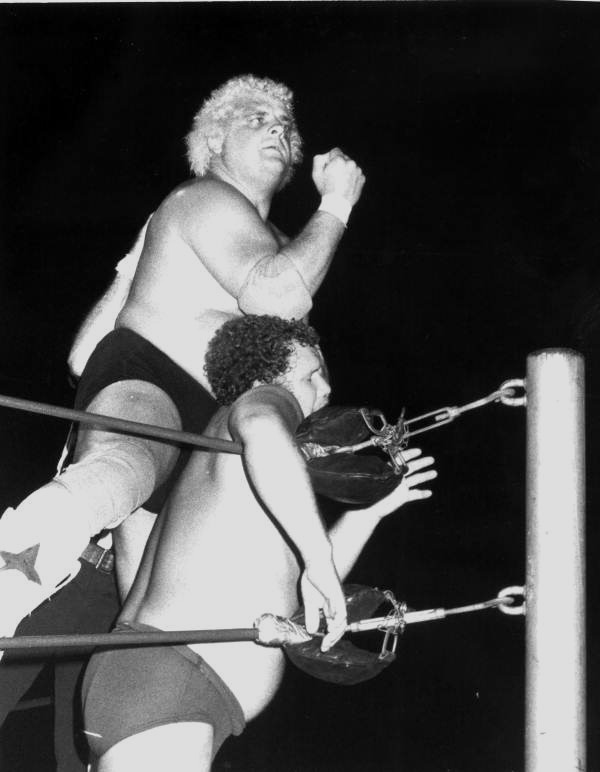
Under the leadership of promoter Eddie Graham, CWF produced or developed some of the biggest names in the history of the sport. Dusty Rhodes — "The American Dream," one of the most charismatic performers wrestling has ever produced — was deeply associated with Florida. Hulk Hogan, who was born Terry Bollea in Augusta, Georgia, grew up in the Tampa area and launched his wrestling career in Florida before becoming the most recognizable wrestler on the planet. The Fort Homer Hesterly Armory in Tampa served as one of the most iconic wrestling venues of the era — a building so connected to the sport that Fox 13 Tampa Bay has documented Tampa's wrestling history as dating back to the very invention of television.
CWF folded in 1987 — the victim of Vince McMahon's aggressive national expansion, which effectively ended the regional territory era across the country. But Florida's wrestling infrastructure didn't disappear. It evolved.
When WWE needed a new developmental territory in 2007, they turned to — you guessed it — Florida. Florida Championship Wrestling (FCW) operated from 2007 to 2012 in the Tampa area, serving as WWE's official developmental system and the direct precursor to NXT. FCW is where a new generation of future stars learned the craft before the Performance Center existed. The pipeline from Tampa's golden era to modern WWE runs in a straight, unbroken line.
By Cory McDonald
Dusty Rhodes
The WWE Performance Center: Why Orlando?
On July 11, 2013, WWE opened the doors to its Performance Center in Orlando — and the wrestling world shifted its center of gravity to Central Florida permanently.
The facility is headquartered in a 26,000-square-foot complex that includes seven training rings, a full sports medicine and rehabilitation suite, a strength and conditioning center, production and edit suites, and dedicated space for promo and character development. It trains approximately 65 to 75 wrestlers at any given time — a mix of rookies, former athletes from other sports, and seasoned independent performers brought in to sharpen their craft for a global audience.
The Performance Center was a $2.3 million investment that created nearly 100 jobs in Orange County and established Orlando as WWE's permanent operational home. Every superstar who has debuted in WWE since 2013 — with rare exceptions — passed through this facility. Charlotte Flair, Drew McIntyre, and dozens of current WWE regulars developed their careers at the Orlando facility, under the eyes of coaches that have included WWE Hall of Famers and former world champions.
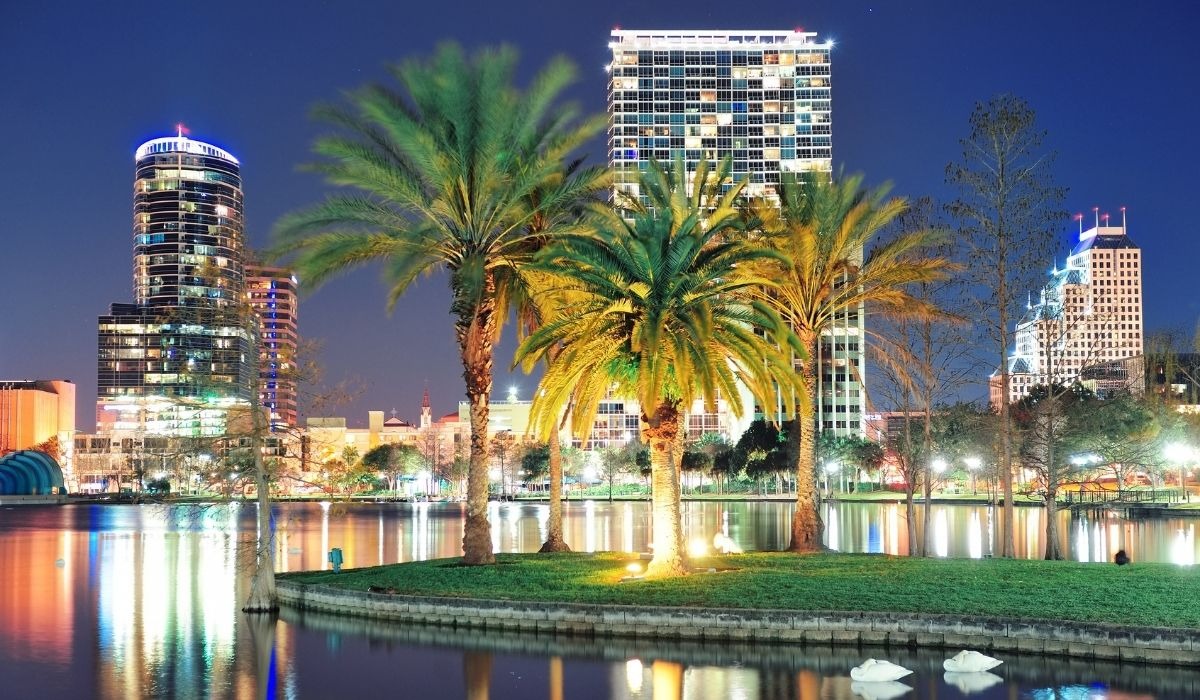
The choice of Orlando was no accident. The city offered real estate availability, a tourism-driven economy accustomed to major productions, a large and growing population, proximity to Full Sail University, and — critically — no state income tax for the hundreds of wrestlers who would relocate to work there. Orlando's existing infrastructure for large-scale entertainment production made it a natural fit for an organization that produces more than 500 hours of television content annually.
As of 2025, WWE Chief Content Officer Triple H (Paul Levesque) confirmed that construction on a brand-new, expanded Performance Center in Orlando is underway — a signal that WWE's commitment to Central Florida is not just sustained, it is actively growing.
🎭 When the World Was Watching: WrestleMania 36 in an Empty Arena In April 2020, with the COVID-19 pandemic shutting down live events globally, WWE held WrestleMania 36 over two nights at the Performance Center in Orlando — with no audience. It was one of the strangest and most surreal events in sports entertainment history, broadcast to millions of fans worldwide from a training facility in Orlando. The Performance Center became, for one weekend, the most-watched wrestling venue on Earth. Florida didn't blink.
Full Sail University and the NXT Connection
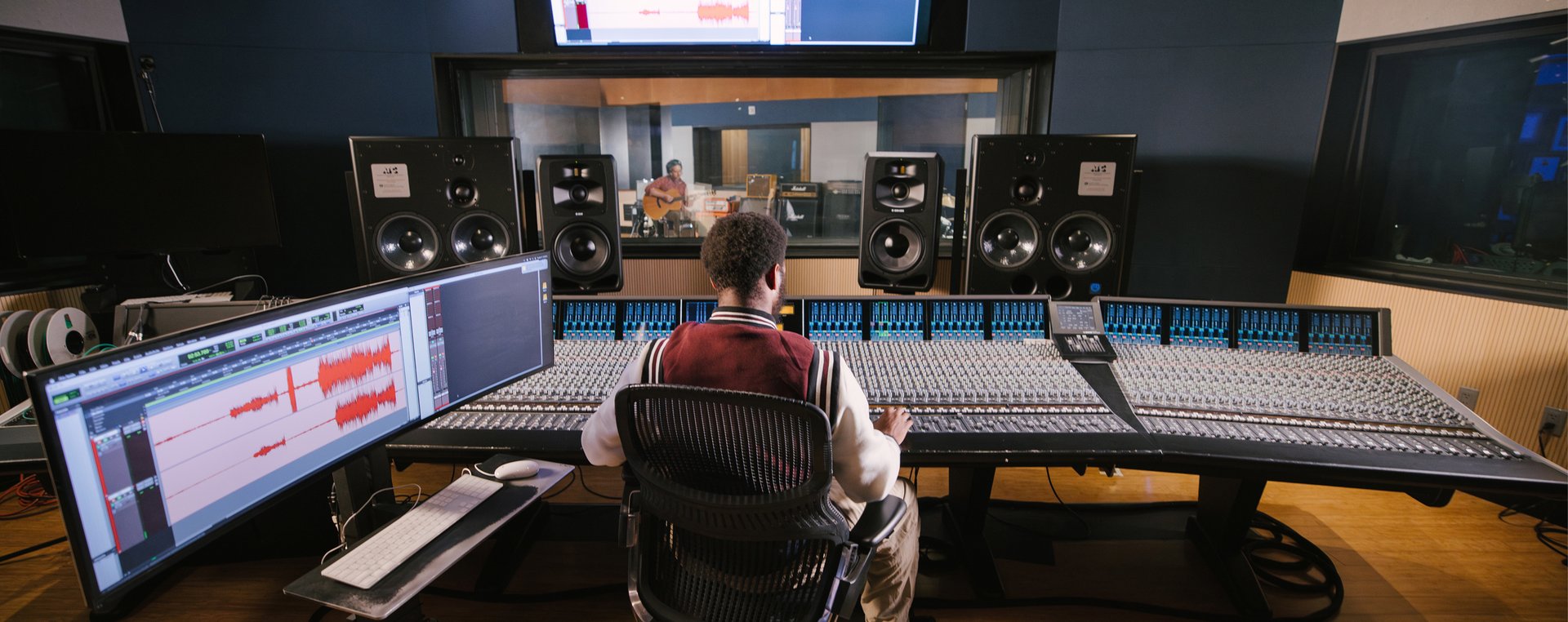
About 15 minutes from Orlando in Winter Park, Florida sits Full Sail University — a specialized college focused on entertainment media, music production, game design, and sports marketing. Since May 2012, Full Sail has been one of WWE's most important partners, hosting live tapings of the NXT brand and giving students hands-on production experience with a real, televised professional wrestling show.
The Full Sail Live arena on campus became the home of NXT for nearly a decade. Fans packed the intimate venue for tapings that were broadcast nationally and internationally — the atmosphere was electric in a way that larger arenas rarely match, because Full Sail crowds were genuinely passionate and close to the action. Many of NXT's defining moments happened in that room.
The partnership has produced more than $400,000 in scholarships for Full Sail students, with approximately 50 to 60 students assisting with each NXT taping in areas ranging from production and marketing to camera operation and broadcast logistics. Over 1,400 students have gained industry experience through the WWE partnership.
In September 2025, NXT returned to Full Sail for a special "Homecoming" event on The CW — a celebration of the partnership and a reminder that even as NXT has grown into a major brand airing on national television, its Florida roots remain central to its identity.
The Legends and Superstars Who Call Florida Home
Ask most wrestling fans where the majority of WWE superstars live, and many will guess a major media city like New York or Los Angeles. The correct answer is Florida — specifically the greater Tampa and Orlando areas — for reasons that are now thoroughly familiar: no state income tax, year-round training weather, proximity to the Performance Center, and a wrestling community dense enough that living near colleagues and training partners is genuinely practical.
Hulk Hogan spent decades living in the Clearwater area — the man most responsible for wrestling's mainstream explosion in the 1980s was a Floridian through and through. In honor of his legacy, Florida Governor Ron DeSantis declared August 1, 2025, as Hulk Hogan Day in the state. His connection to Florida was inseparable from his identity as a performer.
John Cena — 16-time world champion, one of the most decorated wrestlers in WWE history — made his home in a private community near Tampa for many years. His philanthropic record with the Make-A-Wish Foundation, centered largely around his Florida base, is unmatched in professional sports.
Chris Jericho, one of wrestling's most versatile and enduring performers, relocated to Tampa. Shawn Michaels — "The Heartbreak Kid," arguably the greatest in-ring performer of all time — moved to Florida to coach NXT talent at the Performance Center, mentoring the next generation from the same state that shaped the previous ones.
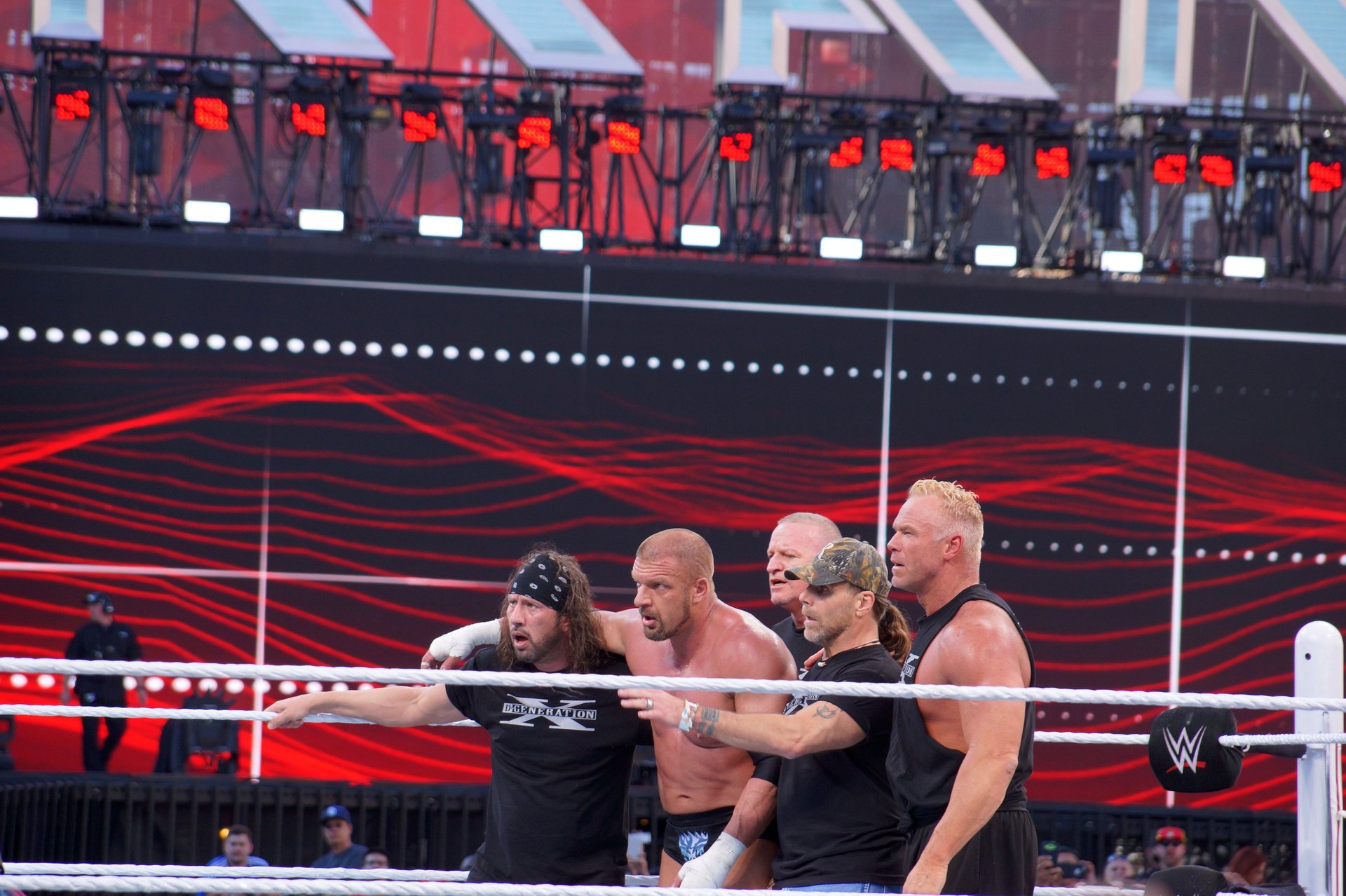
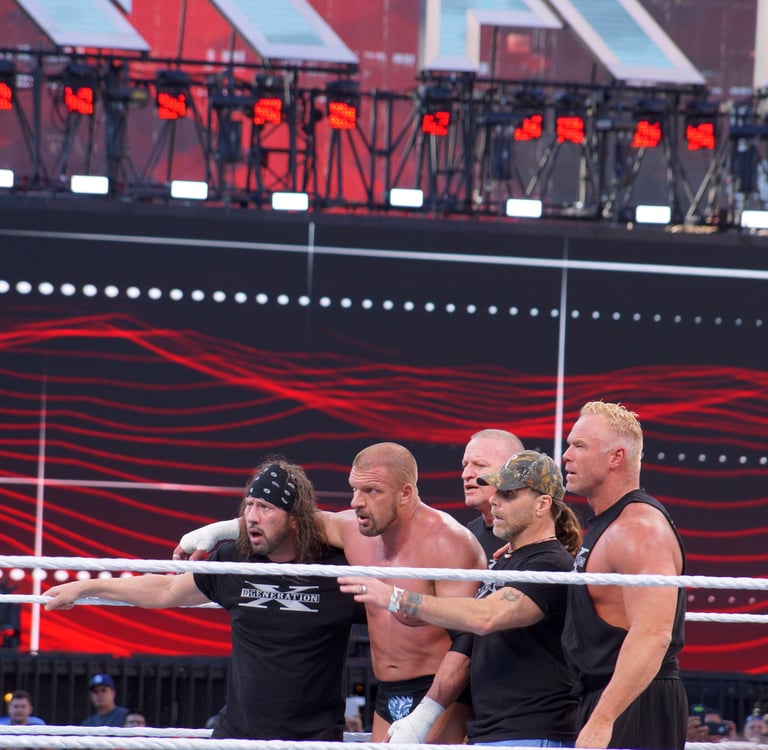
WrestleMania's Florida Habit
WrestleMania — WWE's annual flagship event, the Super Bowl of professional wrestling — has returned to Florida repeatedly, and the pattern is not coincidental.
WrestleMania 24 (2008) was held at the Citrus Bowl in Orlando. WrestleMania 33 (2017) returned to Orlando's Camping World Stadium with more than 75,000 in attendance — one of the largest crowds in WrestleMania history. WrestleMania 36 (2020) was held at the Performance Center due to COVID restrictions. WrestleMania 37 (2021) took place at Raymond James Stadium in Tampa Bay — the first WrestleMania with live fans in two years, and a moment of genuine emotional resonance after the pandemic's long lockdowns.
Florida has now hosted WrestleMania more times than any other state. That is not a coincidence — it reflects the combination of Florida's massive tourism infrastructure, its large stadium inventory, its year-round suitability for outdoor events, and WWE's own deep organizational roots in the state.
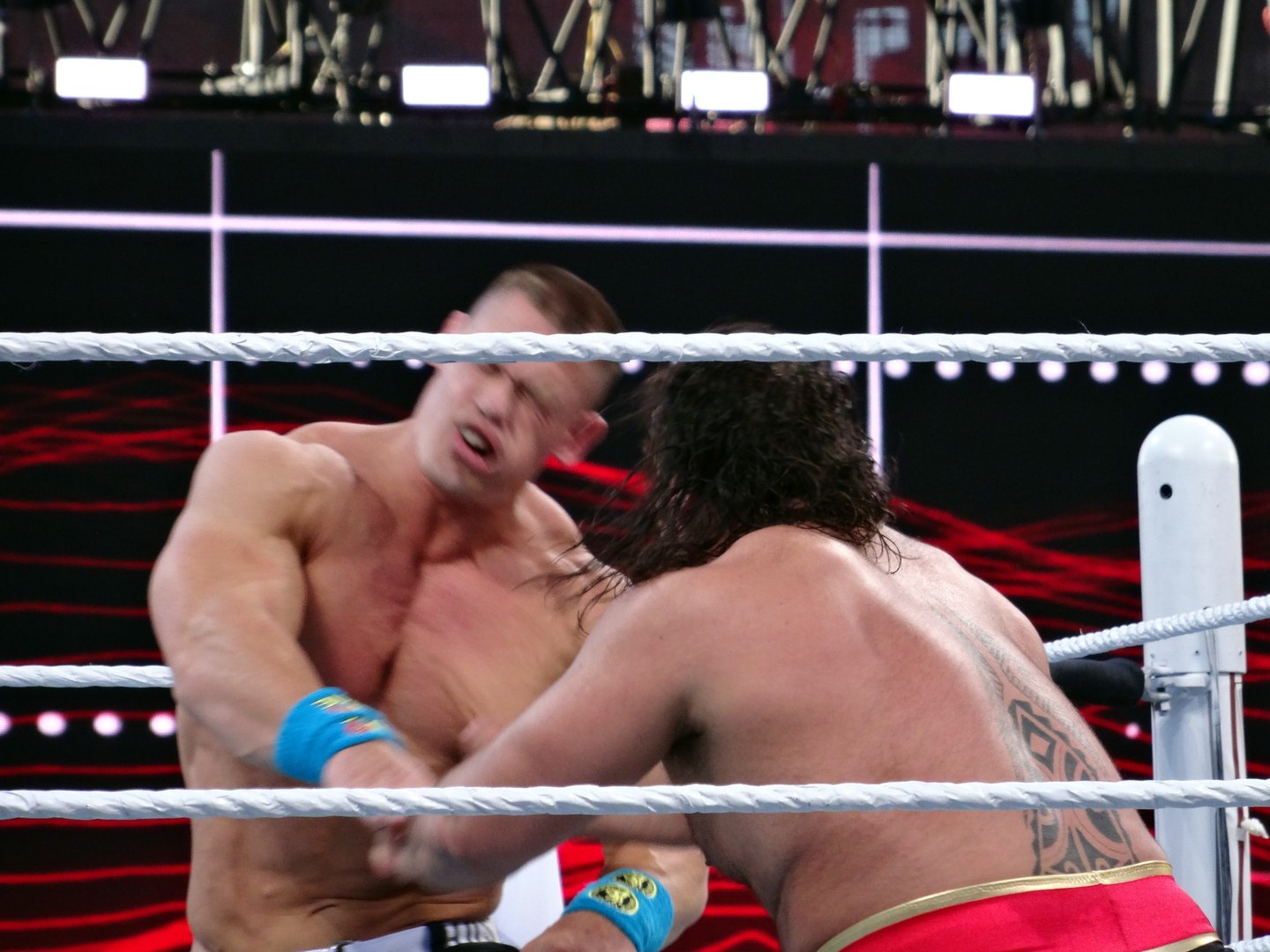
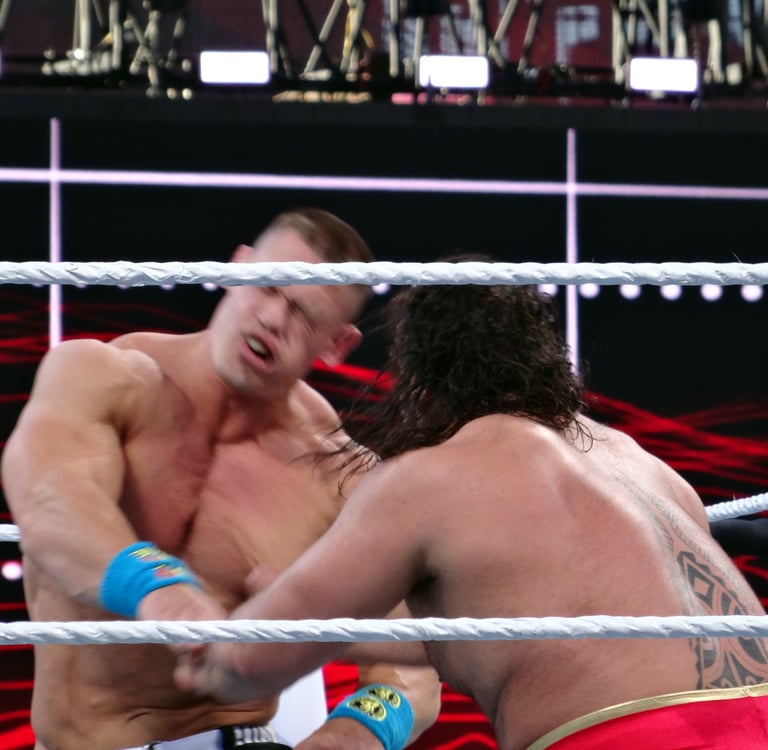
What's Coming: Orlando's Push for WrestleMania 2031
In 2025, Orange County Commissioners approved a $29.46 million tourism development tax incentive package as part of Orlando's bid to host a series of major WWE and UFC events. The centerpiece: a formal bid for WrestleMania 2031 in Orlando.
The package includes funding toward WWE's Survivor Series (targeted for 2026), the Royal Rumble (targeted for 2028), and 10 to 12 additional events at the Kia Center and Camping World Stadium. The Greater Orlando Sports Commission estimates the combined economic impact of these events at more than $225 million for Orange County — a number that reflects the scale of what WrestleMania and its companion events bring to a host city.
Orlando Weekly reported on the full details of Orange County's $29 million bid package — it's an extraordinary commitment from local government and a clear signal that Orlando intends to deepen, not reduce, its relationship with professional wrestling.

WWE Florida FAQ
Why is the WWE Performance Center located in Orlando? WWE chose Orlando in 2013 for a combination of practical reasons: available real estate, proximity to Full Sail University, a strong tourism and entertainment infrastructure, Florida's zero state income tax, and a large enough metro area to support a workforce of coaches, production staff, and support personnel. The $2.3 million investment created nearly 100 local jobs and cemented Orlando as WWE's operational home. A new, expanded Performance Center is currently under construction there.
What famous wrestlers came from Florida or trained in Florida? The list is remarkable. Hulk Hogan grew up in the Tampa area and launched his career through Championship Wrestling from Florida. Dusty Rhodes was one of CWF's defining stars. John Cena lived near Tampa for years. Chris Jericho relocated to Tampa. Shawn Michaels moved to Florida to coach NXT talent. Charlotte Flair and Drew McIntyre both developed their WWE careers at the Orlando Performance Center. In professional wrestling, having a Florida connection is almost a prerequisite.
What is NXT, and why does it matter to Central Florida? NXT is WWE's developmental brand — the proving ground where future superstars refine their in-ring skills, mic work, character development, and television presence before moving to the main roster on Raw or SmackDown. It has been taped at Full Sail University in Winter Park since 2012 and now runs as a fully independent brand on The CW network. NXT's entire modern identity was built in Central Florida, and its creative DNA still reflects those intimate Full Sail roots.
Has WrestleMania ever been held in Florida? Yes — multiple times. WrestleMania 24 (2008) was held in Orlando. WrestleMania 33 (2017) drew more than 75,000 fans to Camping World Stadium in Orlando. WrestleMania 36 (2020) was staged at the WWE Performance Center during the COVID pandemic. WrestleMania 37 (2021) took place at Raymond James Stadium in Tampa. Florida has hosted WrestleMania more times than any other state. A bid for WrestleMania 2031 in Orlando is actively in progress, backed by $18 million in Orange County tourism incentives.
Is AEW (All Elite Wrestling) also connected to Florida? Florida's wrestling infrastructure is broad enough to attract multiple promotions. AEW — WWE's most prominent competitor — has Florida connections through its roster (many wrestlers live in the region) and event history. The broader wrestling community centered in Central Florida makes it a hub for talent across promotions, not just WWE.
Why do so many professional wrestlers live in Florida? The combination of the WWE Performance Center, Full Sail University, year-round training weather, no state income tax, and the dense concentration of wrestling colleagues and coaches makes Central Florida the most logical place for a working professional wrestler to live. The Reddit wrestling community has long acknowledged this reality: if you want to be noticed by WWE, being in Florida simply increases your opportunities. The industry has clustered there the same way the film industry clustered in Los Angeles — infrastructure creates gravity.
What is Florida's wrestling history before WWE? Championship Wrestling from Florida (CWF) operated from 1961 to 1987 as one of the most respected territories in the National Wrestling Alliance. Based in Tampa and run for much of its history by promoter Eddie Graham, CWF produced stars like Dusty Rhodes and Hulk Hogan and operated the Fort Homer Hesterly Armory as one of wrestling's most iconic regional venues. When the territory era ended in the late 1980s, Florida's wrestling culture didn't disappear — it simply evolved into the infrastructure that eventually became WWE's most important operational base.
Sources
WWE.com — WWE Announces New Performance Center in Orlando, Fla.
Wikipedia — WWE Performance Center; Championship Wrestling from Florida
Full Sail University — Full Sail University and WWE (fullsail.edu)
Full Sail University press release — NXT Returns to Full Sail University Celebrating 'Homecoming' (September 2025)
Sports Illustrated / FanNation Wrestling — Triple H Confirms Construction of New WWE Performance Center
Fightful.com — Orange County Commissioners Approve $18 Million Grant to Bid on WWE Events Including WrestleMania 2031
Orlando Weekly — Orange County Pledges $29 Million Bid to Host WrestleMania
Fox 13 Tampa Bay — Tampa's History in Pro Wrestling Dates as Far Back as the Invention of Television
News-Press.com — Florida's Pro Wrestler Population: 5 Most Famous Residents (2023)
FOX 35 Orlando — Florida Declares Hulk Hogan Day, August 1, 2025
Recommended Reading
Information current as of June 2026.
Florida Current covers lifestyle, weather, outdoor life, and everything that comes with living in the Sunshine State. Browse our Florida Living section for regional guides, seasonal activity calendars, retirement guides and practical advice from people who actually live here.
Florida native Luana B. Gann brings more than 30 years of publishing, editing, and journalism experience to Florida Current. With a deep appreciation for the Sunshine State's culture, lifestyle, and ever-changing landscape, she is dedicated to helping readers discover what's new, noteworthy, and uniquely Florida.

CONTACT
Reach out for questions or feedback anytime.
contact@FLAcurrent.com
© 2026. All rights reserved.