Why Billionaires Are Moving to Florida — and What It Means for Residents
Luana B. Gann, Editor
6/23/2026


The New Florida Gold Rush: Why the World's Wealthiest Are Moving Here — and What It Means for the Rest of Us
Quick Answer In 2023, Florida gained nearly $21 billion in adjusted gross income from people moving into the state — more than any other state in the country, according to IRS migration data. Over the past decade, Florida has absorbed a net $196 billion in income from relocating taxpayers while New York lost $111 billion and California lost $102 billion. The people driving those numbers include some of the most recognizable names in global business: Jeff Bezos, Mark Zuckerberg, Larry Page, Sergey Brin, and Ken Griffin are all part of Florida's new address book. A second wave — fueled by tech IPOs from SpaceX, OpenAI, and Anthropic — is already forming. Florida did not stumble into this moment. It built for it.
Table of Contents
The Names You Recognize: Who Has Moved, and Where They Landed
Indian Creek and Palm Beach: Where the Serious Money Settles
Tech Exodus 2.0: The Next Wave Is Already Calling Florida Brokers
What This Means for Florida Residents Who Aren't Billionaires
The Numbers That Tell the Story
There is a version of the "Florida is booming" story that gets told with stock photography of palm trees and vague references to people fleeing high-tax states. That version undersells what is actually happening, because the data underneath it is genuinely extraordinary.
In 2023, the most recent year for which the IRS has published interstate migration data, Florida recorded a net adjusted gross income gain of $20.65 billion from domestic migration alone. That is not total income of people moving here — it is the net gain, meaning Florida's incoming population brought in $20.65 billion more in income than it lost from outgoing residents. No other state came close.
Zoom out over a decade and the compounding effect becomes staggering. According to analysis by the National Taxpayers Union Foundation, Florida has gained a net $196 billion in adjusted gross income from migration over the past ten years. New York lost $111 billion over the same period. California lost $102 billion. Illinois lost $63 billion. Florida gained more than all three of those losses combined.
This is not a lifestyle trend. It is a structural economic realignment, and Florida is on the winning side of it.
Florida has now surpassed New York in the total number of millionaire residents — a crossover that would have seemed unlikely twenty years ago, when New York and California were the unquestioned centers of American wealth. That shift has real consequences for schools, infrastructure, local businesses, and tax revenue flowing into a state that does not charge its residents a single dollar of personal income tax.
The Tax Math — Said Plainly
Most conversations about why wealthy people move to Florida eventually get around to the tax question, and then they stop short of actually doing the arithmetic. Here it is.
Florida has no state income tax. The Florida Constitution prohibits it. There is no capital gains tax at the state level, no estate tax, and no inheritance tax. For someone earning $1 million a year, moving to Florida from California saves approximately $133,000 annually in state income taxes alone. For someone earning $10 million a year, the savings exceed $1 million per year.
At the ultra-high-net-worth level, the numbers become life-changing in ways that are hard to fully process. Jeff Bezos moved from Seattle to Miami in 2023 — a move that raised eyebrows at the time. Six months after establishing Florida residency, he sold approximately $13.6 billion in Amazon stock. Washington State, where he had lived, passed a 7% capital gains tax that took effect in 2022 on gains above $250,000. Had Bezos still been a Washington resident for that transaction, his state tax bill on those sales would have approached $952 million. In Florida: zero.


There is also a less-discussed Florida advantage that matters enormously at high net worth: the Florida homestead law. Florida's asset protection for a primary residence is among the strongest in the country — a primary home is largely protected from creditors regardless of value. For executives in litigious industries, that protection is a genuine financial tool, not merely a nice tax perk.
Understanding these numbers also puts Florida's overall financial picture in context. The state operates without an income tax and runs a budget — funding education, infrastructure, and services — through property taxes, sales taxes, and the economic activity generated by a growing, increasingly wealthy population. That system works when the population grows and the incoming residents are bringing substantial economic activity with them. Right now, it is working very well.
For a broader look at what this means for everyday expenses in the state, our Florida cost of living breakdown covers what residents at all income levels actually pay to live here.
The Names You Recognize: Who Has Moved, and Where They Landed
This is where the abstract migration data becomes concrete in a way that is hard to ignore.
Jeff Bezos — The Amazon founder and world's second or third wealthiest person (depending on the day) officially relocated to Miami in 2023. He purchased three properties in Miami-Dade County totaling more than $234 million, including a compound on Indian Creek Island — the ultra-private enclave in Biscayne Bay known informally as "Billionaire Bunker." The timing of the Amazon stock sales that followed his residency establishment was noted widely in financial media.
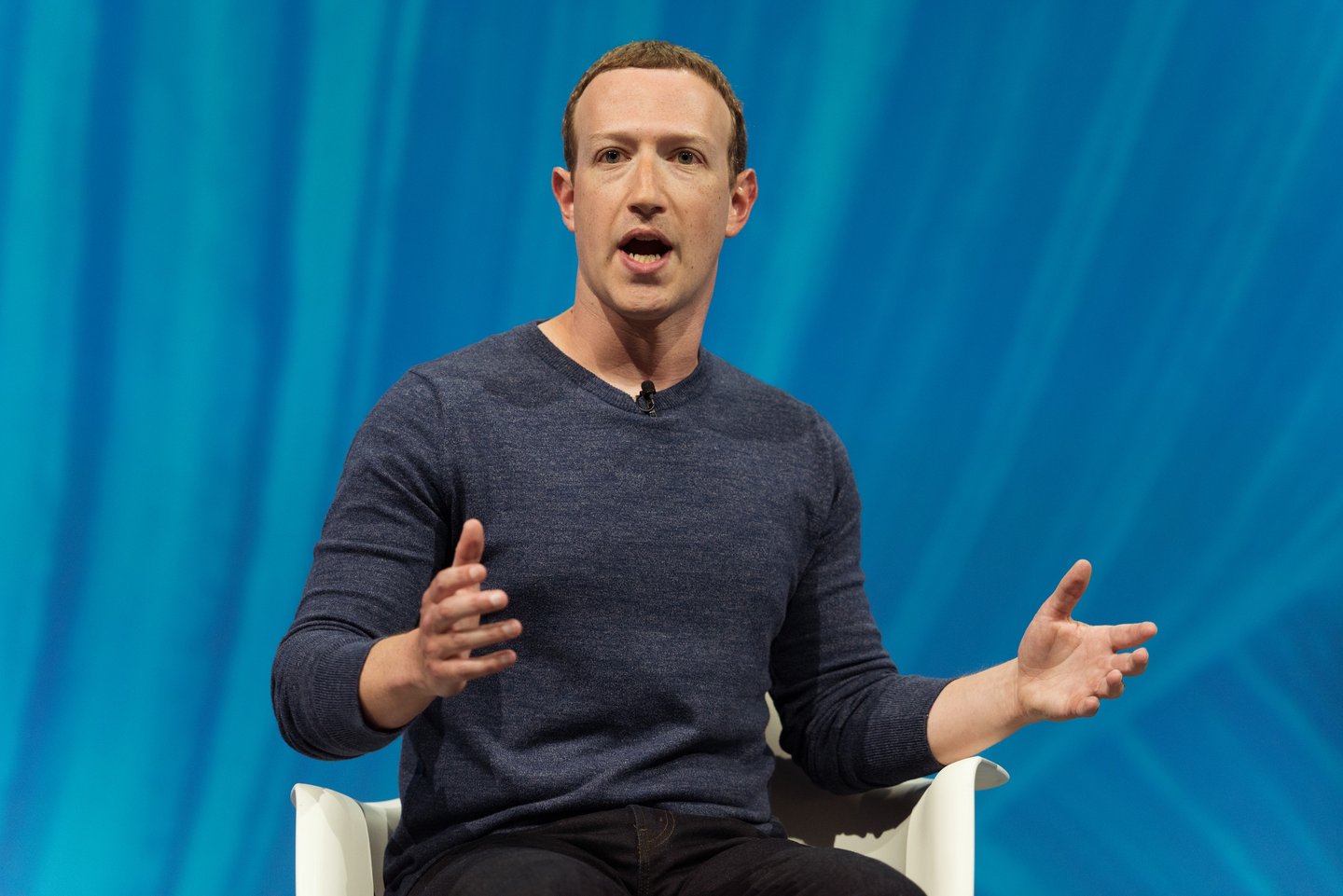
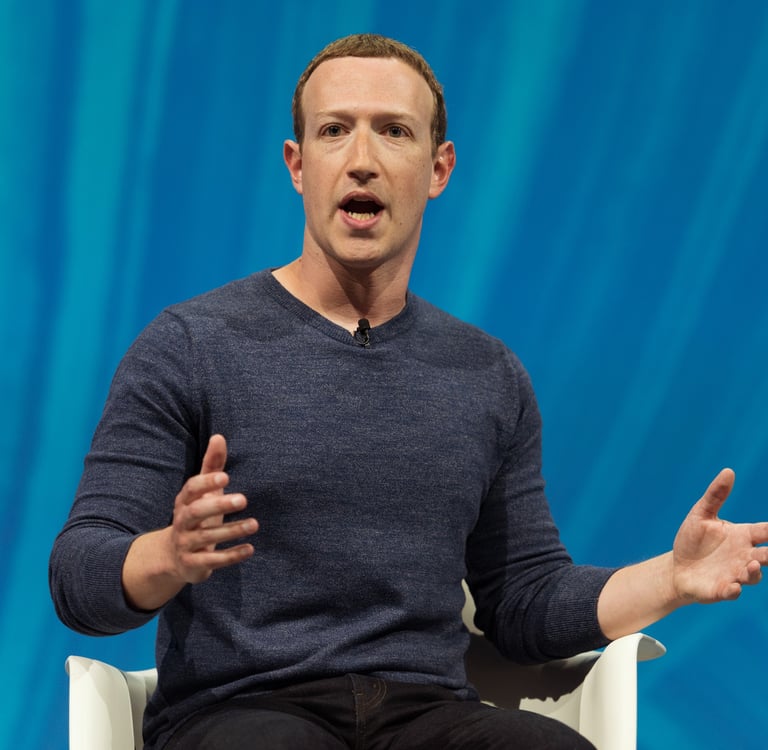
Mark Zuckerberg — The Meta CEO set a record for the highest residential real estate transaction in Miami-Dade County history with a $170 million purchase of a mansion on Indian Creek Island, the same exclusive community where Bezos settled. The island has approximately 30 homes total, its own private police force, and more combined net worth among its residents than many countries.
Larry Page and Sergey Brin — The Google co-founders both acquired major Florida real estate. Page purchased an $188 million compound in Coconut Grove, one of Miami's oldest and most private waterfront neighborhoods. Brin has also established a South Florida presence. The combined presence of Page, Brin, Bezos, and Zuckerberg in the Miami area prompted the Miami Herald to report that four of the world's five wealthiest individuals now have waterfront properties in Miami and Miami Beach, collectively representing nearly $1 trillion in personal net worth.
Ken Griffin — The Citadel hedge fund CEO made perhaps the most institutionally significant move of all: he relocated Citadel's headquarters from Chicago to Miami. He also purchased property in Palm Beach in one of the most talked-about real estate transactions in Florida history. When the CEO of one of the world's most influential hedge funds moves his entire operation to your state, it is not a lifestyle decision — it is a vote of confidence in Florida's financial future.
Carl Icahn — The billionaire activist investor moved his hedge fund operations to Miami. He joins a growing list of financial industry figures who have followed the money south.
Thomas Peterffy — The Interactive Brokers founder and one of the wealthiest people in America has been a Palm Beach presence for years. His long tenure in Florida helped establish the area's credibility as a serious financial hub before the current wave of arrivals.
Donald Trump — Mar-a-Lago in Palm Beach has been the most-photographed address in Florida for years. Whatever your politics, its existence as a working social and business venue accelerated Palm Beach's profile as a place where major decisions get made over dinner.
South Florida now claims 42 billionaires on the 2024 Forbes World's Billionaires List, with combined wealth of approximately $470.8 billion — more than double the prior year's figure of $233.9 billion. That acceleration is not coincidental. Wealth begets wealth, and once a critical mass of high-net-worth individuals establishes itself in a city, the network effect brings more.
Indian Creek and Palm Beach: Where the Serious Money Settles
Not all of Florida's wealth migration ends up in the same zip code, and understanding the geography helps explain the dynamics.
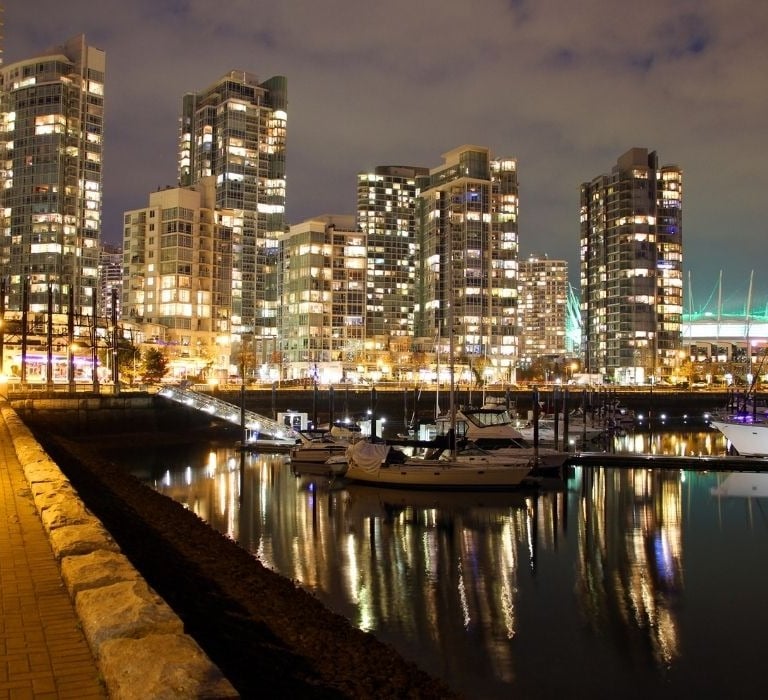
Indian Creek Island — In Biscayne Bay, connected to the Miami mainland by a single private bridge, Indian Creek Island hosts approximately 30 homes on 294 acres. It has its own incorporated village government, its own police force that patrols by boat and on land, and a resident roster that currently includes Bezos, Zuckerberg, and some of the most recognizable names in global finance. Properties rarely come to market. When they do, transaction prices are measured in nine figures. It is the physical embodiment of a simple idea: when you have enough money, you buy your privacy rather than hoping for it.
Palm Beach — The island city across the Intracoastal from West Palm Beach has functioned as America's preeminent wealth enclave for over a century, dating to Henry Flagler's railroad empire. What is new is the acceleration. Ken Griffin's Palm Beach purchase, Trump's permanent presence, and a parade of hedge fund and private equity names establishing Florida residency have pushed Palm Beach real estate into price territory that was unimaginable a decade ago. The community's tight residential zoning and strict regulations — Palm Beach has its own set of governance norms that Florida Current readers familiar with HOA culture would recognize — have preserved its character even as prices have soared.
Fort Lauderdale — As covered in our piece on Fort Lauderdale as the Boating Capital of the World, the city's waterway infrastructure and yachting culture have made it a natural landing point for wealth that values maritime access over the social visibility of Miami. Fort Lauderdale's downtown development authority describes the wealth there as "active, global, highly productive — it just doesn't feel the need to announce itself." That discretion is increasingly a selling point as Miami's profile rises.

Tech Exodus 2.0: The Next Wave Is Already Calling Florida Brokers
The current generation of Florida wealth migration — Bezos, Zuckerberg, the hedge fund world — is, according to Fort Lauderdale's Downtown Development Authority CEO Jenni Morejon, just the first act.
SpaceX completed its IPO on Nasdaq in mid-2026, surging more than 35% from its opening price in its first weeks of trading. OpenAI and Anthropic are both expected to list publicly in late 2026. These are not small events. They represent the single largest simultaneous creation of new liquid wealth in Silicon Valley history — and a substantial portion of the people whose paper stock options are about to become tradable cash are already making phone calls to South Florida real estate brokers.
"The California area codes have already started showing up," Morejon told Fox Business Digital. "It's just that the conversations are evolving."
DaGrosa Capital Partners founder Joe DaGrosa, who has spent nearly three decades working in Miami, put it more directly: "There is going to be this transitional event with the IPO where executives are finally gonna see probably the biggest cash day most of them have ever seen in their lives. And many of them are not making millions — they're making tens of millions overnight."
The math compounds further down the org chart than most people realize. Middle management at companies like SpaceX — engineers, project leads, operations managers — are holding stock options that could yield $25 million, $50 million, or $100 million in a single liquidity event. These are not people who were previously planning to buy homes in Miami Beach. They are people who will have the resources to do so, suddenly, and who will be looking at their California tax bill and their Florida counterparts' zero-dollar state income tax reality at exactly the same moment.
The "tipping effect" that DaGrosa describes is already in motion in Florida's migration from New York finance. Once enough peers, colleagues, and social connections establish themselves in Miami or Fort Lauderdale, the calculus for the next person changes. Moving stops feeling like a relocation and starts feeling like joining something. Florida has been experiencing that dynamic with New York finance for years. California tech is next.


What This Means for Florida Residents Who Aren't Billionaires
This is the question that Florida Current exists to answer honestly — not just celebrate the arrival of famous names, but look clearly at what the great wealth migration means for people who live here at every income level.
The good news, and it is genuinely good: Jobs follow wealth at scale. When Ken Griffin moves Citadel's headquarters to Miami, he brings hundreds of high-paying jobs with him. When tech founders establish Florida bases, they hire local legal, accounting, real estate, and service professionals. Fort Lauderdale's downtown has seen tech employment grow 20% since 2021, generating an estimated $43 billion in annual economic impact for the metropolitan area. That growth has rippled through restaurants, retail, entertainment, healthcare, and education in ways that benefit people well below the income levels making the headlines.
Florida's sales tax revenue — the state's primary funding mechanism — grows with every high-net-worth resident who spends $10,000 on a dinner, $2 million on a boat, or $170 million on a house. The state collects document stamp taxes and property taxes on those transactions, funding public services without asking middle-income Floridians to pay more. There is a real and meaningful benefit to ordinary Floridians from having extraordinarily wealthy neighbors.
The honest complication: Housing affordability. The same wealth migration that creates jobs and fills tax coffers also drives real estate prices upward, and that pressure cascades from ultra-luxury markets into neighborhoods that are not ultra-luxury at all. When the baseline for Miami waterfront real estate resets upward by a factor of ten, it eventually moves the baseline for neighborhoods one ring further out, and then the ring after that. Florida's housing affordability picture — which our Florida cost of living article examines in detail — is more complicated today than it was five years ago, in part because of the very influx that is strengthening the state's economy.
For longtime Florida residents, the honest summary is this: the wealth migration is a net positive for the state's economic trajectory and for the quality and variety of jobs it creates, and it carries real costs in housing access that cannot be wished away by pointing at job numbers. Florida is navigating both of those realities at once, and the next few years — as tech IPO liquidity potentially sends another wave — will test whether the state can manage growth in ways that keep it accessible to the full range of people who want to live here.
That is, after all, what Florida has always been — a place for everyone, not just the fortunate few who can afford Indian Creek Island. Keeping it that way, even as the world's wealthiest people vote with their checkbooks for the Sunshine State, is the most Florida thing of all.

Billionaires Moving to Florida FAQ
Why are billionaires moving to Florida? The primary driver is financial: Florida has no state income tax, no capital gains tax, no estate tax, and no inheritance tax. For someone selling billions in stock, that difference can mean saving hundreds of millions in a single transaction — as the Bezos example illustrates. Add strong asset protection laws, world-class waterfront real estate, genuine privacy in communities like Indian Creek and Palm Beach, and an accelerating social network of peers who have already made the move, and the decision gets easier every year.
How much has Florida gained from the wealth migration? In 2023 alone: a net $20.65 billion in adjusted gross income from domestic migration — the most of any state. Over the past decade: $196 billion net, while New York lost $111 billion and California lost $102 billion over the same period. Florida now has more millionaire residents than New York state.
Which billionaires have moved to Florida? Jeff Bezos (Indian Creek Island, $234 million+ in Miami-Dade property), Mark Zuckerberg ($170 million Indian Creek purchase, record for Miami-Dade), Larry Page ($188 million Coconut Grove compound), Sergey Brin (South Florida), Ken Griffin (Citadel HQ moved to Miami, Palm Beach property), Carl Icahn (hedge fund to Miami), Thomas Peterffy (Palm Beach). South Florida's 2024 Forbes roster: 42 billionaires, $470.8 billion in combined wealth.
What is Indian Creek Island? A 294-acre private island in Biscayne Bay with roughly 30 residential properties, its own incorporated village government, and its own police force. Known informally as "Billionaire Bunker," it is currently home to Bezos, Zuckerberg, and other major names in global wealth. Properties rarely come to market and routinely sell in the nine figures.
What is Tech Exodus 2.0? The anticipated next migration wave, driven by IPO liquidity from SpaceX (recently public), OpenAI, and Anthropic (both expected to list in late 2026). These events will convert tens of billions in employee stock options into cash — and much of that newly liquid wealth is already being directed toward South Florida real estate inquiries. Experts expect the migration to happen in months, not years.
Does Florida's wealth migration help regular residents? Yes — and honestly. Benefits include job creation, stronger public finances (more sales and property tax revenue without income taxes), and improved services and amenities. The genuine complication is housing affordability: the same wealth migration that strengthens Florida's economy creates real upward pressure on real estate prices at every level of the market. Both things are true.
Does Florida have a state income tax? No — and the Florida Constitution prohibits one. There is also no state capital gains tax, no estate tax, and no inheritance tax. The difference between being a Florida resident and a California or New York resident at the moment of a major stock sale can exceed seven figures in a single transaction. That math is why the migration is not a trend — it is a rational financial decision at scale.
Sources
IRS Statistics of Income — Migration Data — irs.gov/statistics/soi-tax-stats-migration-data
National Taxpayers Union Foundation — Florida Migration Analysis — ntu.org
Realtor.com — Net Income Migration Map, IRS Data 2023 — realtor.com
Miami Herald — "Four of World's Five Richest People in Miami, Miami Beach" — miamiherald.com
Tax Foundation — State Migration Trends — taxfoundation.org
Fox Business — "California Exodus 2.0: How SpaceX, Tech IPOs Could Trigger Next Massive Wealth Flight to Florida" — foxbusiness.com
Forbes World's Billionaires List 2024 — BRG International analysis — brgintl.com
Big Think — "Follow the Money: Mapping Millionaire Migration Across America" — bigthink.com
Haute Jets Wealth Migration Report 2025 — hautejets.com
Recommended Reading
The Real Cost of Living in Florida: What the Brochures Don't Tell You
Fort Lauderdale: Boating Capital of the World — and Florida's Most Waterlogged Bragging Right
Best Retirement Cities in Florida: Where to Actually Live vs. Visit
The Florida HOA Reality Check: Everything Residents Wish They'd Known Before They Moved In
Information current as of June 2026. Billionaire net worth figures, real estate transaction details, and migration statistics are subject to change as new data is published and markets fluctuate. IRS migration data cited reflects the most recently published annual statistics.
Florida Current covers weather, lifestyle, outdoor life, and everything that comes with living in the Sunshine State. Browse our Florida Living section for regional guides, seasonal activity calendars, retirement guides and practical advice from people who actually live here.
Florida native Luana B. Gann brings more than 30 years of publishing, editing, and journalism experience to Florida Current. With a deep appreciation for the Sunshine State's culture, lifestyle, and ever-changing landscape, she is dedicated to helping readers discover what's new, noteworthy, and uniquely Florida.


CONTACT
Reach out for questions or feedback anytime.
contact@FLAcurrent.com
© 2026. All rights reserved.