Manufactured Homes in Florida: Buy, Rent or No Go — The Real Story
Luana B. Gann, Editor
6/22/2026
Quick Answer Florida is one of the top manufactured housing states in the country, with roughly one million manufactured homes across the state — about ten to twelve percent of all Florida housing. Modern manufactured homes are a far cry from the aluminum-sided trailers of decades past, and for the right buyer in the right situation, they represent genuine value. But Florida has a specific twist to the manufactured home question that reshapes every financial calculation: whether you own the land under your home. That single distinction — land ownership versus land lease — is the most important thing to understand before you sign anything.
Table of Contents
The Real Pros: When Manufactured Home Living Makes Sense in Florida
Hurricane Country: The Wind Rating Conversation You Must Have
Florida and Manufactured Housing: Bigger Than You Think
There is a version of this conversation where someone from outside Florida pictures a manufactured home community and imagines a few dozen weathered single-wides on a dusty lot. That version is about forty years out of date.
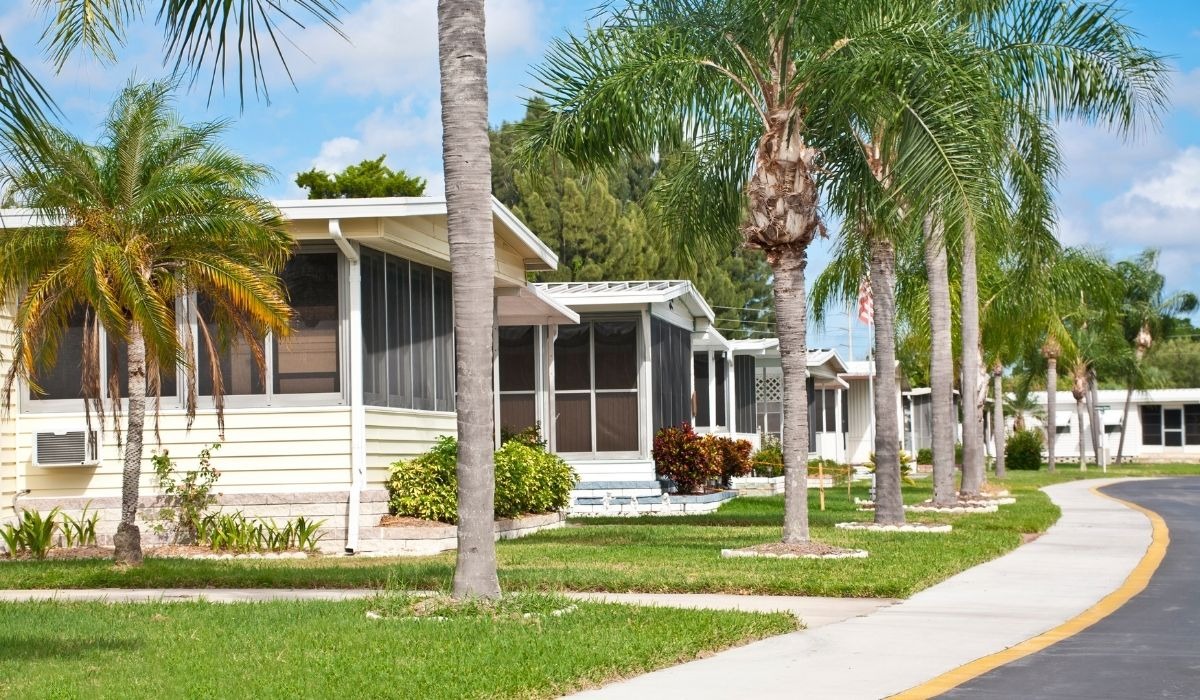
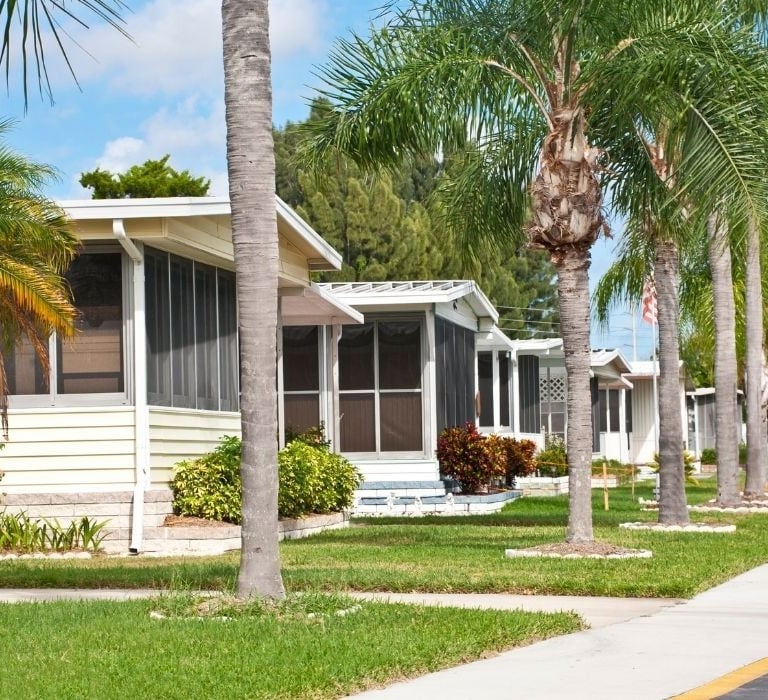
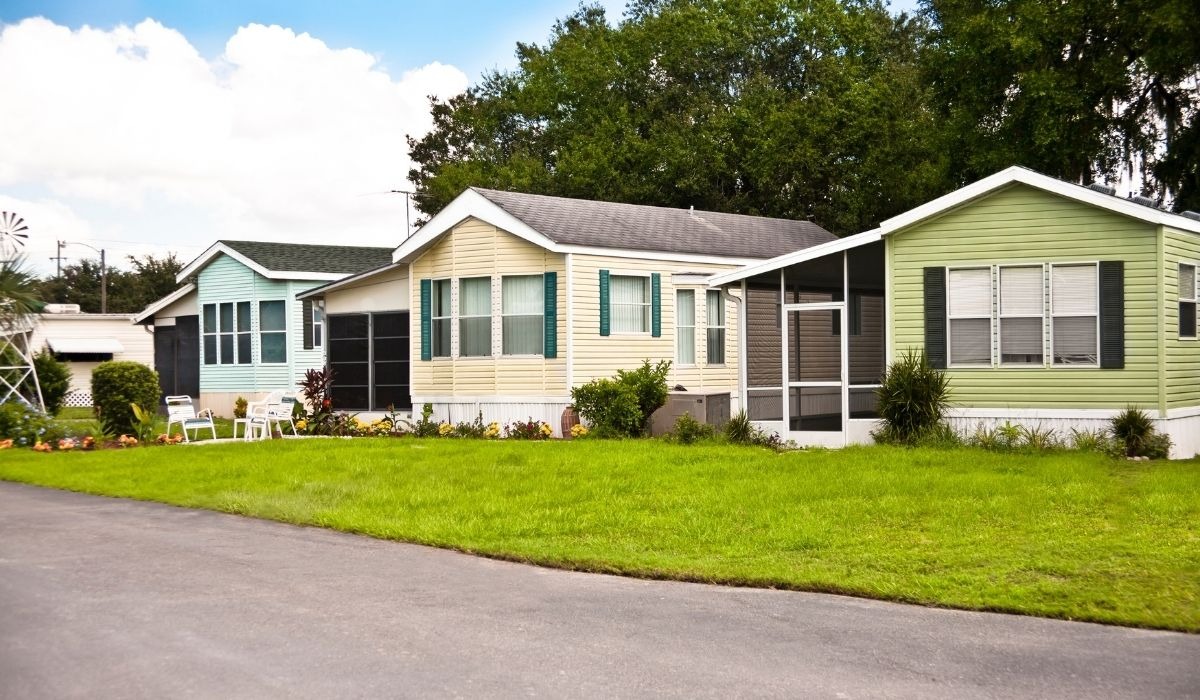
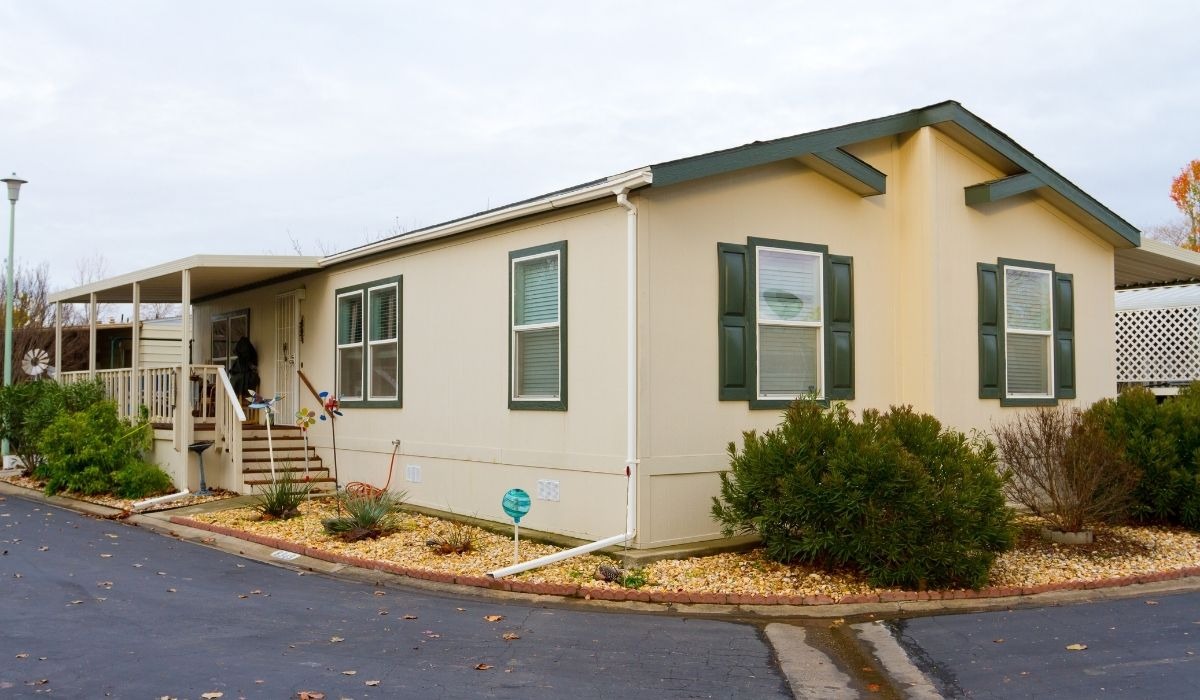
Florida has some of the largest, most amenity-rich manufactured home communities in the country. We are talking about 55-plus neighborhoods with pools, fitness centers, golf courses, clubhouses, organized travel groups, pickleball leagues, and social calendars that would exhaust someone half the residents' age. Some of these communities run to thousands of homes. The residents are not people who settled for something — many of them made a deliberate, research-driven choice to be there.
Florida's manufactured housing market is substantial for reasons that make obvious sense: the state's warm climate, its enormous retirement population, its strong demand for affordable housing options, and a long history of development that embraced manufactured communities as a solution to housing demand long before the rest of the country caught on. The Florida Department of Highway Safety and Motor Vehicles handles titling for manufactured homes — and they process a lot of them.
Understanding what you are looking at, what you are buying, and what rights you have under Florida law makes the difference between a genuinely smart housing decision and an expensive surprise. Let's get into it.
The Land Question That Changes Everything
Here is the fork in the road that most people do not understand clearly before they start shopping Florida manufactured homes — and it is the most important thing in this article.
Option A: You own the land. You purchase a manufactured home and place it on a lot you own outright. The home is affixed to a permanent foundation. You file what Florida calls a Declaration of Affixture with the county, converting the home from personal property to real property. You now have an asset that works more like a conventional home — it can be financed with a real mortgage, it qualifies for the Florida Homestead Exemption, it can appreciate in value, and it is not going anywhere unless you decide to sell it.
Option B: You own the home, but lease the land. This is the land-lease model, and it is by far the most common setup in Florida's large manufactured home communities. You buy the home — sometimes for quite a bit of money — but you pay monthly lot rent to the park owner for the land beneath it. In Florida, lot rents currently range from roughly $400 on the low end to $1,200 or more per month in premium coastal or metro-area communities, and they can increase. You have a home, but you do not have land equity. And the land can be sold out from under you.
Option C: The resident-owned community (ROC). In these communities, residents collectively own the land — typically through a cooperative or nonprofit corporation. You own your home, you own a share of the land corporation, and the community is governed by its residents. This model offers security closer to Option A with pricing structures that can be quite reasonable.
Understanding which of these three models applies to any specific community you are considering is step one, before price negotiations, before inspections, before anything else. The answer changes your financing options, your insurance options, your risk profile, and your long-term financial outcome significantly.
It also connects directly to the community governance question. Many manufactured home communities — especially land-lease parks — have rules that function very similarly to HOA restrictions, governing everything from home placement and exterior colors to vehicle parking and the use of common areas. If you have read our Florida HOA Reality Check, you already have a sense of how community governance can work for and against residents. Manufactured home community rules operate under different statutes but with some of the same dynamics.
The Real Pros: When Manufactured Home Living Makes Sense in Florida
Affordability that is real, not theoretical. A modern double-wide manufactured home in Florida can range from $80,000 to $200,000 — before land costs. A comparable site-built home in the same geographic market might run two to three times that figure. For retirees on fixed incomes, for first-time buyers priced out of the traditional market, or for anyone looking to reduce housing costs and redirect money toward living rather than mortgage payments, the math can work genuinely well. Florida's overall cost of living already draws people from high-cost states — manufactured housing amplifies that advantage considerably.
Modern manufactured homes are not what you remember. Today's HUD-code manufactured homes are built to federal standards covering structural integrity, energy efficiency, plumbing, electrical, and fire safety. Many feature open floor plans, nine-foot ceilings, granite countertops, stainless appliances, and exterior designs that read as conventional homes to a casual observer. The "trailer" mental image simply does not match what the modern manufactured housing industry produces. Manufacturers like Clayton Homes, Skyline Champion, and Cavco build products that have genuinely changed the category.
The 55-plus community lifestyle. This is a real differentiator in Florida and worth saying plainly: some of the most socially active, amenity-rich, organized communities in the state are manufactured home 55-plus communities. Areas around Zephyrhills, Ocala, the Sarasota corridor, and Clearwater have long been known for manufactured home communities where the social calendar is dense, the neighbors know each other, and the activities rival what you would find at a resort. If community connection and active aging are priorities — and for many Florida retirees they are — this model delivers.
Lower maintenance burden in managed communities. In communities that include exterior maintenance in their fee structure, the day-to-day demands of homeownership shrink considerably. For seasonal residents or older homeowners who do not want to manage landscaping, exterior upkeep, and common area maintenance, that reduction is meaningful.
Speed to occupancy. A manufactured home can be delivered and set up in a matter of weeks. Site-built construction in Florida currently runs six months to over a year, subject to permitting backlogs, contractor availability, and supply chain delays. If you need housing on a timeline, manufactured housing can deliver it.

The Real Cons: What Can Go Wrong — and Has
Land-lease communities carry financial risk that ownership does not. The monthly lot rent is a perpetual obligation that can increase. Florida's Chapter 723 Mobile Home Act requires park owners to provide 90 days' notice before rent increases and governs the relationship between park owners and residents. But "regulated" does not mean "controlled" — lot rents have climbed substantially in Florida markets where land values have appreciated, putting pressure on residents who bought into communities when lot rents were much lower and cannot easily leave without absorbing a significant financial loss.
Depreciation and resale reality in personal property classification. A manufactured home classified as personal property — meaning the home is on leased land and not converted to real property — tends to depreciate rather than appreciate, much like a vehicle. The resale market for manufactured homes, particularly older single-wides in land-lease parks, is narrower than the conventional real estate market. This does not mean you cannot sell — it means the pool of buyers is smaller and the financing options available to those buyers are more limited, which affects pricing.
Financing is more complicated and often more expensive. Chattel loans — personal property loans for homes on leased land — typically carry higher interest rates and shorter loan terms than conventional mortgages. A 20-year chattel loan at 8-10% looks very different from a 30-year mortgage at a lower rate on the same principal amount. If the home qualifies as real property (owned land, permanent foundation, Declaration of Affixture filed), conventional mortgage financing becomes available and the numbers improve dramatically. The loan type you can access depends entirely on the land situation.
Insurance can be challenging in Florida. Homeowners insurance for manufactured homes in Florida exists — but in a state that has experienced significant pressure on its insurance market after back-to-back major storm seasons, manufactured home coverage can be harder to find and more expensive than coverage for comparable site-built homes. Older manufactured homes face the steepest challenges. This is worth researching before purchase, not after — and our Florida homeowners insurance breakdown covers the broader market context that applies here. Get insurance quotes on the specific home you are considering before you close.
Community rules can be more restrictive than HOA rules. Manufactured home communities frequently regulate exterior paint, allowable plants and landscaping, the number and type of vehicles, storage shed styles, and holiday decoration timing. In some communities, these rules are minimal and lightly enforced. In others, enforcement is active and fines are real. Unlike the HOA reform laws passed in 2024, the Chapter 723 framework governing manufactured home parks has different enforcement mechanisms and protections. Read the prospectus — Florida law requires park owners to provide one — before you commit.
The Park Closure Problem Florida Doesn't Talk About Enough
This is the manufactured home risk that deserves its own section because it has already affected thousands of Florida families — quietly, without much mainstream attention — and the underlying conditions that drive it have not gone away.
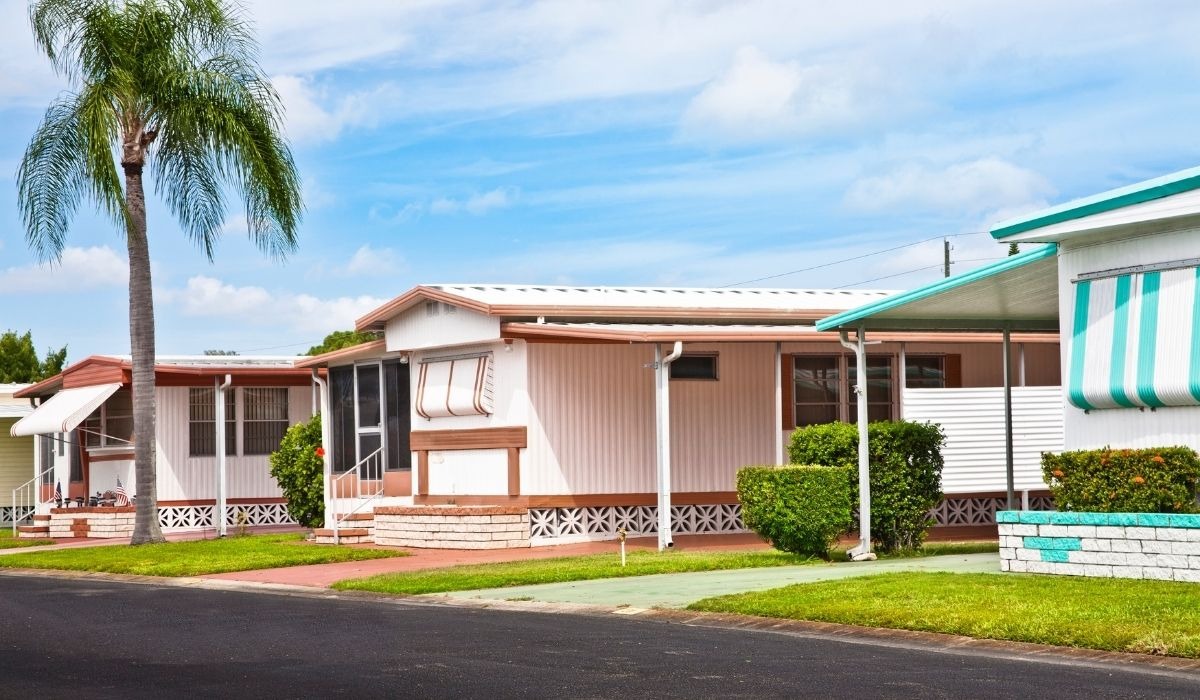
When a manufactured home park owner decides to sell the land for redevelopment — to a commercial developer, a multifamily housing builder, or anyone else willing to pay for the property — the residents who own homes in that park face displacement. They own their homes. They do not own the land. And when the land is sold for a different use, the homes have to go somewhere.
Florida law requires park owners to give residents at least one year's notice before closing. The Florida Mobile Home Relocation Corporation provides some financial assistance to displaced residents — amounts that vary by home size and type. In practice, moving a manufactured home is expensive (often $5,000 to $15,000 or more for a double-wide), finding a new park with available lots is not guaranteed, and the relocation assistance frequently falls short of the actual costs. Older homes sometimes cannot be moved at all without being condemned — the transportation stress and the structural requirements for relocation exceed what an aging home can handle.
Florida has seen multiple park closures in recent years, particularly in markets where land values have risen sharply. In 2024, HB 1479 addressed some aspects of park closure procedure, but it did not fundamentally change the underlying risk of the land-lease model. If a community you are considering is in a market where land has become very valuable — coastal areas, metro-adjacent locations, areas seeing commercial development pressure — asking the park owner direct questions about long-term plans for the property is not paranoia. It is due diligence.
Resident-owned communities essentially eliminate this risk. If residents collectively own the land, no outside developer can buy the ground out from under them. The ROC USA network and Florida's manufactured home advocacy organizations actively support communities pursuing the resident-ownership conversion process. It is worth knowing this option exists.


Hurricane Country: The Wind Rating Conversation You Must Have
Florida is not a gentle climate for structures of any kind, and manufactured homes require specific attention to storm preparedness — both in what you ask about before buying and in what you do to prepare during Florida's Atlantic hurricane season, which runs June through November.
The most important dividing line in Florida manufactured home storm safety is 1994. Hurricane Andrew in 1992 devastated manufactured home communities across South Florida in ways that site-built neighborhoods — some of them — survived. The federal HUD code for manufactured homes was significantly strengthened in 1994, and post-1994 homes are meaningfully more wind-resistant than pre-1994 construction.
Florida adds its own layer of wind zone requirements on top of the federal standards:
Wind Zone II covers most of Florida — homes must be built to withstand 100 mph wind speeds
Wind Zone III covers the southernmost areas — homes must withstand 110 mph wind speeds
All manufactured homes in Florida must be properly tied down — anchored to the ground per engineered specifications — to meet state requirements
When considering any Florida manufactured home, verify the wind zone rating of the home itself, confirm the tie-down system was installed correctly and has been inspected, and ask specifically about the age of the home. A well-anchored post-1994 home built to the correct wind zone specification is a very different proposition from a 1980s single-wide with an original tie-down system that has never been evaluated.
Also ask what the community's emergency plan looks like. Some Florida manufactured home communities are located in evacuation zones — know which zone applies, and have a plan before you need one.


Financing, Insurance, and the Paper Trail That Matters
The paper trail checklist: Before purchasing any Florida manufactured home, confirm the following:
The home has a clear title — no liens, no outstanding loans. Florida titles for manufactured homes are issued by the FLHSMV.
If purchasing in a land-lease community, review the park prospectus — Florida law requires park owners to provide one, and it governs your rights as a resident.
Confirm the HUD data plate is present inside the home — this plate shows the wind zone rating and the date of manufacture.
Verify the tie-down inspection history and confirm the current system meets Florida code.
Request a reserve study or financial disclosure if the community is resident-owned or HOA-governed.
Get insurance quotes before closing, not after.
Buy, Rent, or No Go: How to Think Through the Decision
Rather than a blanket recommendation — because Florida's manufactured housing landscape genuinely varies that much — here is the honest framework:
Buy on land you own: Generally a sound decision if the numbers work. This is the manufactured home scenario that functions most like conventional homeownership. You have equity potential, real property mortgage access, Homestead Exemption eligibility, and no land-lease risk. If you can find the right home in the right location with this structure — especially a post-1994 home in good condition — the value proposition is real and the financial risks are closer to conventional homeownership than most people assume.
Buy in a resident-owned community: Also generally solid, with important due diligence. The land security is meaningful, the community governance is democratically controlled, and the financial structure is more stable than land-lease. Verify the cooperative's finances, understand the fee structure, and confirm there are no deferred infrastructure expenses that could generate assessments. Then make your decision with clear eyes.
Buy in a land-lease community: Possible, but understand exactly what you are getting. If the community is stable, the lot rent is sustainable within your budget, you have verified the long-term ownership situation of the park, and the lifestyle it offers is genuinely what you want — it can work well. The people who are happiest in land-lease communities in Florida are usually the ones who went in knowing the risks and decided the amenities, the social environment, and the cost structure outweighed them. The people who are unhappiest are the ones who discovered the risks later. Know what you are buying.
Renting a manufactured home: Uncommon but exists. Some manufactured home owners rent their homes — particularly in 55-plus communities where a snowbird owner is not using the property year-round. Renting in this context means you carry none of the ownership risk and none of the equity upside. It is a short-term or transitional option for most people, not a long-term strategy. If you are new to Florida and not sure which area you want to settle in, a short-term manufactured home rental can give you time to research while keeping your options open.
No go situations: If you are looking at a pre-1994 home in poor condition in a land-lease community in a market where land values are high and park longevity is uncertain — that is a hard pass regardless of the price. The combination of storm vulnerability, financing difficulty, insurance challenges, and displacement risk creates a set of overlapping problems that a low purchase price does not solve. Age of the home and stability of the land arrangement are the two factors that drive the "walk away" conclusion more than anything else.

Florida Mobile Homes FAQ
Can I get a regular mortgage on a manufactured home in Florida? Yes — if the home qualifies as real property. That requires owning the land, placing the home on a permanent foundation, and filing a Declaration of Affixture with your county. With that classification, conventional mortgages, FHA, VA, USDA, and Fannie Mae MH Advantage programs become available. Homes in land-lease communities classified as personal property are limited to chattel loans and FHA Title I options — higher rates, shorter terms, higher monthly payments on the same balance.
What is a land-lease manufactured home community? You own the home; you pay monthly rent to the park owner for the land. Florida lot rents run roughly $400 to $1,200-plus per month depending on location and amenities. Chapter 723 governs the relationship and requires 90 days' notice before rent increases. The significant risk: if the park is sold for redevelopment, residents must move — which is expensive, not always possible with older homes, and often inadequately covered by the state's relocation assistance fund.
How do manufactured homes hold up in Florida hurricanes? Post-1994 homes built to the strengthened HUD Code are meaningfully more wind-resistant than older construction. Florida requires Wind Zone II compliance (100 mph) for most of the state and Wind Zone III (110 mph) for South Florida, plus proper tie-down anchoring. Verify the HUD data plate — inside the home — before buying any Florida manufactured home. Pre-1994 homes in poor condition represent a significantly different storm risk than modern construction.
What is the Florida Mobile Home Act? Chapter 723 of the Florida Statutes governs land-lease manufactured home communities. It requires park owners to provide a prospectus to prospective residents, give 90 days' notice before rent increases, and one year's notice before closing a park. The Florida Mobile Home Relocation Corporation provides some financial assistance to displaced residents when parks close — though it rarely covers the full actual cost of relocation.
Can I get a Florida Homestead Exemption on a manufactured home? Yes — if the home is your primary residence, on land you own, on a permanent foundation, and classified as real property with a Declaration of Affixture filed. Manufactured homes in land-lease communities classified as personal property follow a different tax process and typically do not qualify for the standard Homestead Exemption. Your county property appraiser's office can confirm the specifics for your situation.
What happens if a Florida manufactured home park closes? You get one year's notice under Florida law, plus some relocation assistance from the Florida Mobile Home Relocation Corporation. In practice: moving a double-wide costs $5,000 to $15,000 or more, receiving communities with open lots are not guaranteed, and older homes sometimes cannot survive the move structurally. The financial assistance often falls well short of actual costs. This risk is real, has already happened to thousands of Florida families, and is the most important reason to understand land ownership before buying in a land-lease community.
What is the difference between a manufactured home and a mobile home in Florida? Technically: mobile homes were built before June 15, 1976, when federal HUD Code standards took effect. Manufactured homes were built to HUD Code after that date, to significantly higher standards for structure, safety, and wind resistance. In everyday Florida conversation, many people still use "mobile home" for both. For financing, insurance, and legal purposes, the distinction is meaningful — especially in Florida's hurricane-prone climate, where the age and wind rating of the home matters considerably.
Sources
Florida Chapter 723, Mobile Home Act — leg.state.fl.us
Florida Department of Highway Safety and Motor Vehicles — Manufactured Home Information — flhsmv.gov
Florida Mobile Home Relocation Corporation — flmhrc.com
HUD — Manufactured Housing Program — hud.gov/manufactured_homes
ROC USA — Resident Owned Communities — rocusa.org
Fannie Mae — MH Advantage Program — fanniemae.com
Florida HB 1479 (2024) — Park Closure Legislation — flsenate.gov
Florida Department of Revenue — Manufactured Homes — floridarevenue.com
Recommended Reading
The Florida HOA Reality Check: Everything Residents Wish They'd Known Before They Moved In
Florida Homeowners Insurance: What It Costs and What It Covers
The Real Cost of Living in Florida: What the Brochures Don't Tell You
Information current as of June 2026. Florida manufactured home law, financing programs, and community regulations are subject to change. Consult a licensed Florida real estate attorney and a HUD-approved housing counselor before making any manufactured home purchase decision.
Florida Current covers weather, lifestyle, outdoor life, and everything that comes with living in the Sunshine State. Browse our Florida Living section for regional guides, seasonal activity calendars, retirement guides and practical advice from people who actually live here.
Florida native Luana B. Gann brings more than 30 years of publishing, editing, and journalism experience to Florida Current. With a deep appreciation for the Sunshine State's culture, lifestyle, and ever-changing landscape, she is dedicated to helping readers discover what's new, noteworthy, and uniquely Florida.
CONTACT
Reach out for questions or feedback anytime.
contact@FLAcurrent.com
© 2026. All rights reserved.