SunPass vs E-PASS vs LeeWay: Florida Toll Tags Explained
Luana B. Gann, Editor
6/23/2026
SunPass, E-PASS, and LeeWay: Florida's Toll Tags Finally Explained
Quick Answer Florida operates three regional electronic toll programs — SunPass (statewide), E-PASS (Central Florida / Orlando area), and LeeWay (Lee County / Cape Coral–Fort Myers area) — and they all work interoperably across Florida's toll system. The confusion is understandable: three names, three issuing agencies, and Florida no longer accepts cash at toll plazas anywhere in the state. But the practical answer for most people is straightforward: if you live here, get a SunPass or the transponder managed by your local authority. If you visit, know what your rental car company is about to charge you. Here is everything you need to know — including a discount program that the majority of Florida toll users are not taking advantage of.
Table of Contents
The Big Thing Most People Don't Know: They All Work Together
The Florida Toll Relief Program (Free Money You Might Be Leaving Behind)
First: Florida Doesn't Take Cash at Toll Plazas Anymore
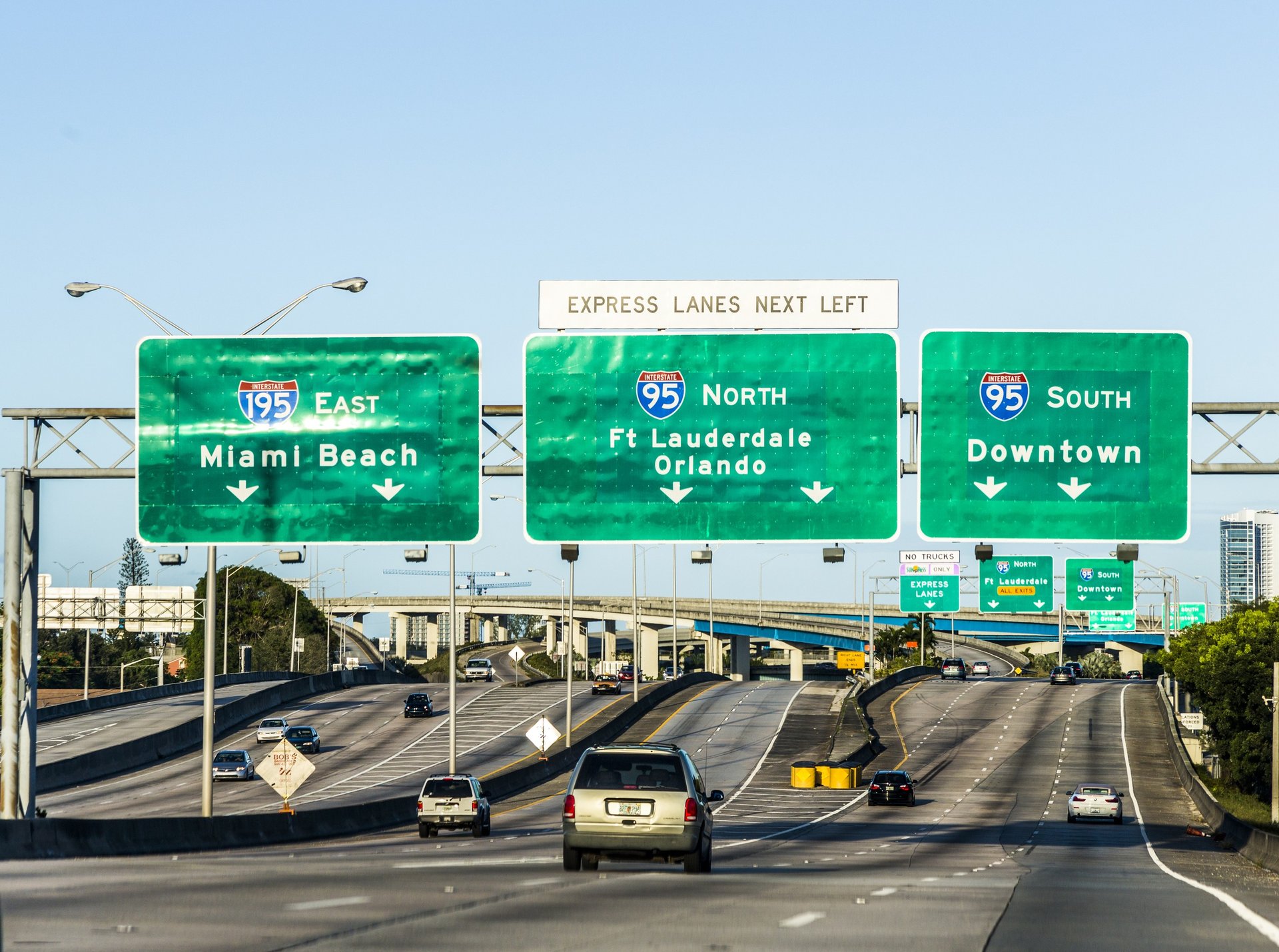
If you moved to Florida from another state, or if you have not driven a toll road here recently, this may surprise you: Florida has transitioned to all-electronic tolling across its major toll roads. There are no attendant booths collecting dollar bills. There are no coin baskets. When you pass through a Florida toll plaza, overhead cameras and transponder readers do all the work automatically.
If you have a transponder — SunPass, E-PASS, LeeWay, or any of the compatible systems listed below — your account is debited instantly at the lowest available rate. If you do not have a transponder, cameras photograph your license plate and a bill is mailed to the registered owner of the vehicle. This is called Toll-by-Plate, and it costs approximately 25% more per toll than the transponder rate, according to Florida's Turnpike Enterprise. You pay more, you get a bill in the mail weeks later, and if you miss it or move before it arrives, unpaid tolls eventually become collections notices. Getting a transponder is always the better financial decision if you drive Florida toll roads with any regularity.
This is part of the broader picture of what living in Florida actually costs day to day — something we cover in our Florida cost of living breakdown, where tolls are one of the line items that surprises new residents most.
The Three Systems, Simply Explained
SunPass is Florida's statewide toll transponder program, managed by Florida's Turnpike Enterprise. It works on every major toll road, bridge, and express lane in Florida, and it also works in 23 other states through the E-ZPass network — including Georgia, North Carolina, Texas, and most of the northeastern states. If you are buying one transponder and you travel outside Florida even occasionally, this is the one to get.
SunPass comes in two versions:
SunPass Mini — A sticker transponder that adheres to your windshield. Straightforward and inexpensive. Does not work at airport parking facilities. Note: if your vehicle has a metallized windshield coating (common in some cars), the Mini may not read reliably and you will need an external-mount option.
SunPass PRO — A portable transponder you mount on your dashboard. Works at participating airport parking at Orlando International (MCO) and Fort Lauderdale-Hollywood (FLL), making it the better choice for frequent flyers. Costs $14.95 plus tax.
Both versions require a prepaid account balance, auto-replenished from a credit card or bank account when it drops below a threshold you set.
E-PASS is the transponder program operated by the Central Florida Expressway Authority (CFX), which manages the express roads in and around Orlando — the 408, 417, 429, 528 (Beachline Expressway), 414, and others serving Orange, Osceola, Seminole, Lake, and Brevard counties. E-PASS works on all CFX roads at the CFX transponder rate, and it also works interoperably across the full Florida SunPass network and on E-ZPass roads in other states. On CFX roads specifically, E-PASS users save 30% to 50% compared to Toll-by-Plate rates.
CFX also offers the E-PASS Uni transponder — designed specifically for drivers who have both a Florida E-PASS account and travel in E-ZPass states. The Uni prevents double-charge issues that can occur when a vehicle carries two active transponders from different networks.
LeeWay is Lee County's electronic toll program, managing primarily the Cape Coral Bridge and the Midpoint Memorial Bridge — the two toll bridges connecting Cape Coral to Fort Myers across the Caloosahatchee River. LeeWay transponders work on these bridges at the local rate and are also interoperable with the SunPass network statewide, so a LeeWay tag works everywhere a SunPass does within Florida. Lee County residents who use those bridges daily often prefer LeeWay for local account management and any county-specific discount programs. For driving outside Lee County or outside Florida, SunPass offers broader coverage.
The Big Thing Most People Don't Know: They All Work Together
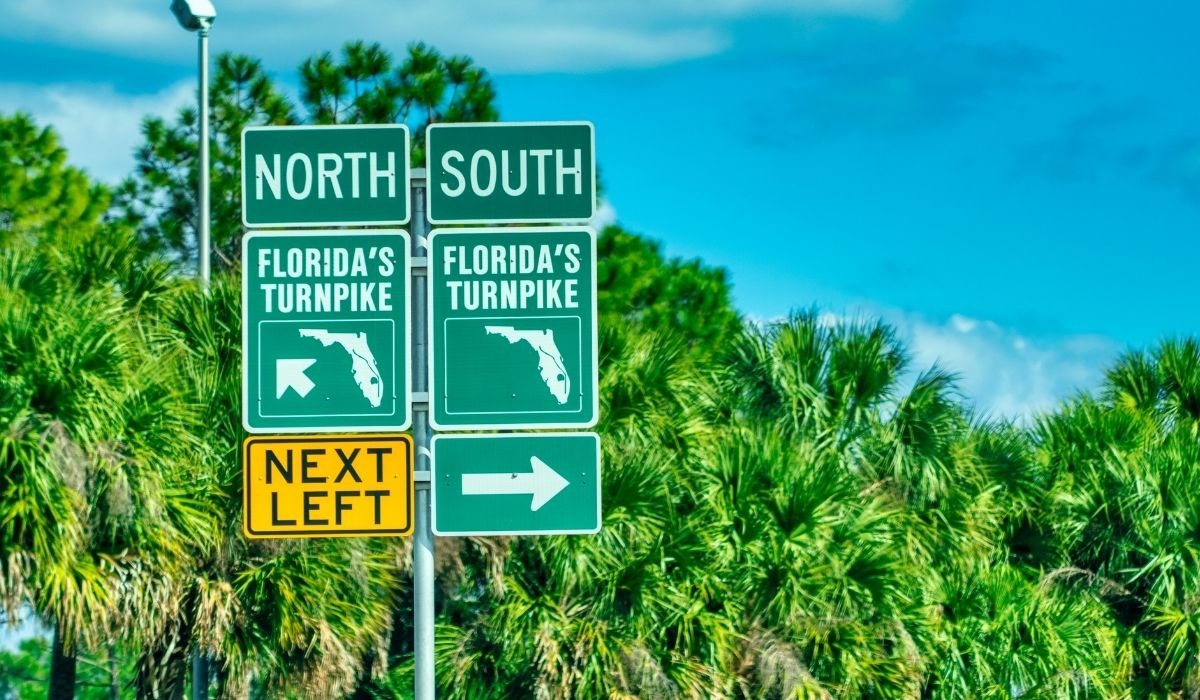
Here is the sentence that resolves most of the confusion: SunPass, E-PASS, and LeeWay are interoperable across Florida's toll system. A SunPass transponder works on CFX roads. An E-PASS transponder works on the Florida Turnpike and Alligator Alley. A LeeWay transponder works on I-75 Express lanes. You do not need multiple transponders to drive across the state.
The practical guide:
Florida also accepts several other transponders on its toll roads — including E-ZPass (from northeastern states), Georgia's Peach Pass, and NC Quick Pass — through the Florida's Turnpike interoperability program. If you are moving to Florida from a state that uses E-ZPass, your existing transponder will work on Florida toll roads. You do not immediately need to get a SunPass — though opening a SunPass account eventually gives you access to Florida-specific discount programs that out-of-state E-ZPass accounts do not.
The Florida Toll Relief Program (Free Money You Might Be Leaving Behind)
This is the piece of the Florida toll puzzle that the majority of regular toll users have not heard about, and it is worth reading carefully.
Florida's Toll Relief Program, launched in 2024, provides a 50% toll credit to SunPass account holders who complete 35 or more toll transactions in a calendar month. There is no registration required. There are no forms to fill out. If your SunPass account racks up 35 transactions in a month on a two-axle vehicle, the credit is applied automatically.
For anyone commuting on Florida toll roads daily — and if you live in South Florida, the Orlando area, or the Tampa Bay region, that describes a significant portion of the population — this program can cut your monthly toll expense in half. At current rates, a daily commuter using the Florida Turnpike or a CFX expressway can easily exceed 35 monthly transactions and see meaningful dollars returned to their account each month.
The program applies to SunPass accounts specifically, which is one more reason to have an active SunPass account even if your local toll authority is CFX or Lee County. Check your transaction history at sunpass.com and confirm whether you are already qualifying. If you are making a daily toll road commute and you have not confirmed this credit is hitting your account, that is worth ten minutes of your time.
Florida Current Note The Toll Relief Program is one of several Florida-specific financial details that new residents frequently discover too late. If you are planning a move to Florida — or you are already here and still figuring out the day-to-day financial landscape — our Florida cost of living breakdown covers the full picture, from property taxes to insurance to the toll costs that show up in your budget every single month.


The Rental Car Toll Trap — Read This Before You Visit
Florida is one of the most visited states in the country, and a substantial portion of those visitors rent a car and drive into a toll plaza with no idea what happens next. What happens next is almost always more expensive than it needs to be.
Because Florida has eliminated cash toll lanes entirely, every vehicle passing through a toll plaza either has a transponder or gets photographed. Rental cars registered to companies get photographed. The rental company then bills the renter for the tolls — plus, in most cases, a per-day or per-transaction administrative fee that is often larger than the toll itself.
The three models rental companies use vary considerably:
Daily flat fee (regardless of whether you use any tolls that day) — e.g., $14–$20/day for unlimited toll use
Per-toll charge plus an administrative fee per transaction — e.g., each $1.25 toll costs you $4–$8 total
Prepaid unlimited plans — a flat amount for the rental period
The most important thing to ask at the rental counter is: does this fee apply only on days I use a toll, or every day of the rental? A daily flat fee applied for seven days on a trip where you used one toll road once is an expensive convenience. For visitors planning to drive frequently in the Orlando area — where the 408, 417, and I-4 are nearly unavoidable — or on Alligator Alley to the Everglades, the unlimited daily plan often pencils out in your favor.
Some Florida visitors bring their own E-ZPass transponder from a northeastern state, place it in the rental car, and let the tolls bill directly to their home E-ZPass account — avoiding the rental company's administrative fees entirely. This is legal and works on Florida toll roads, provided your home E-ZPass account is in good standing. Check with your home state's E-ZPass authority to confirm out-of-state use is active on your account before relying on it.
For visitors who are navigating Florida for the first time and wondering about more than just toll roads — including what to expect at Florida's most popular destinations — our Is Florida Safe for Tourists? article covers what first-time visitors wish someone had told them before they landed.

Which Transponder Should You Get?
The honest, unfussy answer:
If you live in Florida and drive toll roads regularly: Get a SunPass PRO ($14.95). It works everywhere in Florida, works in 23 other states, handles airport parking at MCO and FLL, and keeps you eligible for the Toll Relief Program's 50% credit when you hit 35 monthly transactions. It is the most versatile option for Florida residents.
If you live in the Orlando area and primarily commute on CFX roads: An E-PASS works perfectly and gives you full access to CFX rates and programs. If you also travel out of state by car, get the E-PASS Uni specifically to avoid double-charge issues when crossing into E-ZPass states.
If you live in Cape Coral or Fort Myers and cross the bridges daily: LeeWay manages those bridges and may offer local account options worth checking at the Lee County toll program. It works statewide via SunPass interoperability, so you are not limited to Lee County roads.
If you already have an E-ZPass from another state: It works in Florida. You do not need to buy a new transponder immediately — but you will not be eligible for Florida-specific discount programs like the Toll Relief Program until you open a SunPass account.
If you are visiting Florida: Ask your rental company about their toll options before you drive off the lot, understand exactly what gets charged on which days, and consider using your own E-ZPass transponder if you have one and it is active for out-of-state use.
One practical note for new Florida residents: SunPass transponders are sold at Publix, CVS, Walmart, and numerous other retailers across the state, as well as online at sunpass.com. You do not need to go to a special office or DMV. The account setup takes about ten minutes and the transponder activates quickly. It is one of those genuinely easy Florida logistics items that just requires knowing to do it.


Florida Tolls FAQ
Can I use SunPass in other states? The SunPass PRO works in 23 states through the E-ZPass network — Georgia, North Carolina, Texas, and most of the Northeast and mid-Atlantic. The SunPass Mini sticker version has more limited out-of-state compatibility. If you drive toll roads in other states with any regularity, the PRO is worth the modest extra cost.
What happens if I drive a Florida toll road without a transponder? Cameras photograph your plate and a Toll-by-Plate bill arrives by mail — at approximately 25% above the transponder rate. If it goes unpaid, the debt escalates to collections and can affect your Florida vehicle registration. For rental cars, the rental company processes the bill and charges you the toll plus its own administrative fee.
Do E-PASS and LeeWay work outside their home regions? Yes — both work statewide through SunPass interoperability. E-PASS also works in E-ZPass states; use the E-PASS Uni transponder specifically for out-of-state travel to avoid double-charge issues. All three Florida systems are interoperable statewide.
What is the Toll Relief Program? A 50% toll credit applied automatically to SunPass accounts with 35 or more transactions in a calendar month on a two-axle vehicle. No registration needed. If you are a daily toll commuter and not seeing this credit, check your account at sunpass.com — you may already be qualifying without knowing it.
Can I use my out-of-state E-ZPass in Florida? Yes, at the same transponder rate as SunPass. Confirm your home state account has out-of-state travel enabled. You will not qualify for Florida's Toll Relief Program or other state-specific discount programs with an out-of-state account.
How do I add money to my SunPass account? At sunpass.com, through the SunPass app, or at retail locations including Publix, CVS, and Walmart. Setting up automatic replenishment is the simplest option — your balance refills from a linked card when it drops below a set threshold. Accounts that fall to zero may miss transponder reads and get billed at the higher Toll-by-Plate rate instead.
What is the difference between Toll-by-Plate and a transponder? A transponder communicates with the toll plaza electronically and deducts the lowest available rate instantly. Toll-by-Plate uses license plate cameras and sends a bill by mail at roughly 25% above the transponder rate. For anyone driving Florida toll roads regularly, the math on getting a transponder resolves itself quickly — the savings cover the transponder cost within the first few months of use.
Sources
SunPass — Official Site — sunpass.com
Central Florida Expressway Authority (CFX) — E-PASS — cfxway.com
Lee County LeeWay Toll Program — leegov.com/dotfs/leeway
Florida's Turnpike Enterprise — Toll Rates and Interoperability — floridasturnpike.com
TC Palm — "Florida Toll Programs, Discounts: Toll-by-Plate, Toll Relief Program" — tcpalm.com
Hola Car Rentals — "Florida Car Hire Toll Passes: Per Day or Per Toll?" — holacarrentals.com
IRS SOI Migration Data — irs.gov
Recommended Reading
The Real Cost of Living in Florida: What the Brochures Don't Tell You
Best Retirement Cities in Florida: Where to Actually Live vs. Visit
Information current as of June 2026. Toll rates, transponder pricing, and program terms are subject to change. Verify current figures at sunpass.com, cfxway.com, and floridasturnpike.com before making toll-related decisions.
Florida Current covers weather, lifestyle, outdoor life, and everything that comes with living in the Sunshine State. Browse our Florida Living section for regional guides, seasonal activity calendars, retirement guides and practical advice from people who actually live here.
Florida native Luana B. Gann brings more than 30 years of publishing, editing, and journalism experience to Florida Current. With a deep appreciation for the Sunshine State's culture, lifestyle, and ever-changing landscape, she is dedicated to helping readers discover what's new, noteworthy, and uniquely Florida.

CONTACT
Reach out for questions or feedback anytime.
contact@FLAcurrent.com
© 2026. All rights reserved.