Florida New Resident Checklist: 25 Important Things to Do After Moving
Luana B. Gann, Editor
6/5/2026
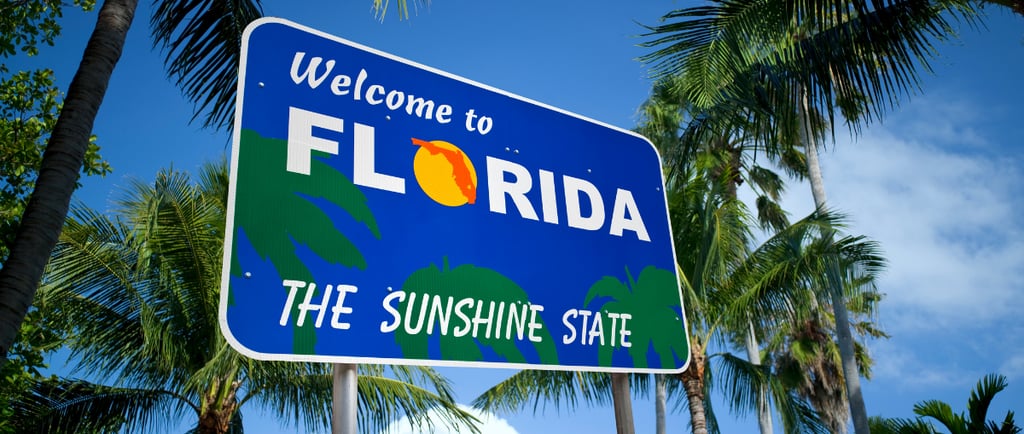
Moving to Florida is exciting. Whether you're arriving for the sunshine, a new job, retirement, a fresh start, or some combination of all of the above — you made it. The moving truck has pulled away, the boxes are stacked against the wall, and somewhere outside a gecko is already judging you from the windowsill.
This is when the practical work begins.
On this page:
Insurance and Financial Protection
Setting Up Your New Life
Hurricane and Weather Preparedness
Healthcare and Community Connections
Getting to Know Florida
Updating your license, registering your vehicle, setting up utilities, understanding what hurricane season actually requires, filing for tax benefits most newcomers miss — there's a real list of things to handle, and knowing about them before you need them is the difference between a smooth transition and an expensive lesson learned the hard way.
The good news is that you don't have to do everything in a single weekend. Some of these items have legal deadlines; others simply reward you for getting to them sooner rather than later. This checklist walks through all 25, in roughly the order they matter.
The Legal and Administrative Priorities
These are the items with actual deadlines attached. Start here.
1. Understand What Establishes Florida Residency
Before the deadlines make sense, it helps to understand what triggers them. Florida residency can be established in several ways — and you don't have to do all of them. Any one of the following is generally sufficient:
Starting a job in Florida
Enrolling children in a Florida public school
Registering to vote
Filing for a Homestead Exemption
Purchasing a home as your primary residence
Once residency is established, some legal clocks start ticking. Work through the next few items promptly.
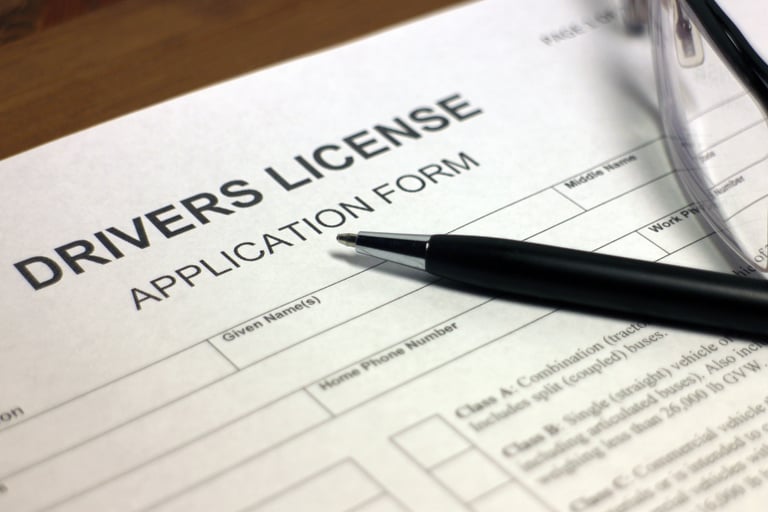
2. Transfer Your Driver's License
Florida law requires new residents to obtain a Florida driver's license within 30 days of establishing residency. Don't wait until day 29 — depending on your county, appointment availability at driver's license offices can be tight.
What to bring:
Proof of identity (U.S. passport, birth certificate, or equivalent)
Your out-of-state license (you'll surrender it)
Proof of your Social Security number
Two documents proving your Florida residential address
One important note for 2026: REAL ID compliance now matters for domestic air travel and access to federal facilities. When you get your Florida license, ask for a REAL ID-compliant card. You'll need one extra piece of documentation proving your address and identity, but it's worth doing now rather than needing to return. Look for the star symbol in the upper right corner — that's how you know it's REAL ID compliant.
3. Register Your Vehicle
Florida requires new residents to title and register their vehicle promptly after establishing residency — most counties expect this within 30 days. Before you can register, you'll need proof of Florida auto insurance (more on that next), since coverage from a Florida-licensed insurer must be in place first.
What to bring to your county Tax Collector's office:
Out-of-state title (or lienholder information if financed)
Current registration from your previous state
Proof of Florida insurance
Valid identification
One genuinely nice surprise: Florida does not require statewide emissions testing for passenger vehicles. One less appointment to schedule.
Once you're registered, get a SunPass — Florida's electronic toll transponder. Toll roads are woven throughout most of the state's major metro areas, and without a SunPass you're stuck with "Toll by Plate" billing, which processes via mail, costs more per toll, and is generally the more annoying option. SunPass is available online at sunpass.com and at many Florida retail locations. Do this early.
4. Update Your Auto Insurance
Florida's insurance landscape is notably different from most states, and new residents are often caught off guard by two things: the requirements and the rates.
Florida is a no-fault state, which means your own insurance pays your medical expenses after an accident regardless of who caused it. The minimum required coverage is:
$10,000 Personal Injury Protection (PIP)
$10,000 Property Damage Liability (PDL)
You need this in place from a Florida-licensed insurance company within 10 days of establishing residency — not just any out-of-state carrier.
You'll also notice that insurance rates in Florida can vary significantly from one county to the next based on weather risk, local traffic patterns, and other factors. Even if you're happy with your current insurer, getting comparison quotes after your move is worth the time. Rates for the same driver can vary by hundreds of dollars annually depending on where you're living in the state.
Insurance and Financial Protections
This section can save you significant money — or significant heartbreak. Give it proper attention.
5. Review Your Homeowners or Renters Insurance
Florida's weather is one of its great selling points and one of its most important insurance considerations. Standard homeowners policies here have features you may not have encountered before.
If you own a home, review:
Wind coverage and whether your policy includes hurricane-related wind damage
Hurricane deductibles, which are often separate from your standard deductible and can be substantial (commonly 2–5% of your home's insured value)
Replacement cost vs. actual cash value coverage
Roof age and condition, which heavily affects insurability and premiums in Florida's current market
If you're renting, don't skip renters insurance. It's typically quite affordable and covers your personal belongings in ways your landlord's policy does not.
6. Understand Flood Insurance — Separately
This is the single biggest insurance misconception among new Florida residents: standard homeowners insurance does not cover flood damage. At all. Flood coverage is an entirely separate policy, purchased through the National Flood Insurance Program (NFIP) or a private carrier.
You do not have to live on the water to need it. Inland properties flood during major rain events and hurricane-related surge more often than many newcomers expect.
Two things to know before anything else: First, flood insurance has a 30-day waiting period before it takes effect. You cannot buy it when a storm is named and expect to be covered for that storm. Second, if your property is in a Special Flood Hazard Area (SFHA), your lender may require it regardless of your preference. Check your property's flood zone at the FEMA Flood Map Service Center (msc.fema.gov) before you need to.
7. File for Homestead Exemption — Don't Miss the Deadline
If you've purchased a home in Florida that is your permanent primary residence, the Homestead Exemption may be the most valuable administrative task on this entire checklist. And it's the one most newcomers miss.
Here's what it does: qualified homeowners receive up to a $50,000 reduction in their property's taxable assessed value, which directly lowers your annual property tax bill. The savings vary by county, but for many homeowners the annual benefit runs into the hundreds — sometimes thousands — of dollars.
Beyond the immediate tax savings, Florida's Save Our Homes cap is a significant long-term benefit that comes with the Homestead Exemption: it limits annual increases in your property's assessed value to 3% or the change in the Consumer Price Index — whichever is lower. In a rising real estate market, this cap can save long-term homeowners an enormous amount over time.
The critical deadline: you must file by March 1 of the tax year in which you want the exemption to apply. Miss March 1 and you wait another full year.
Visit your county property appraiser's website now, verify your eligibility, and file early. Most counties allow online filing.
8. Learn Florida Property Tax Basics
There's no state income tax in Florida — genuinely one of the state's advantages for residents. But property taxes are real, vary meaningfully by county, and should be part of any honest budget calculation.
Florida's tax year runs January through December, with bills typically mailed in November and due by March 31. Paying by November 30 gets you a 4% discount; paying by December 31 gets you 3%; by January 31 gets you 2%. Early payment is worth building into your financial calendar. Your county property appraiser's website is the best resource for understanding your specific situation.


Setting Up Your New Life
9. Set Up Utilities
Every Florida community handles utilities slightly differently. Don't assume your setup will mirror what you had before.
Common utilities to arrange before or shortly after move-in:
Electricity (Florida Power & Light, Duke Energy, TECO, and local municipal utilities serve different areas)
Water and sewer (often through your city or county)
Trash and recycling collection
Natural gas (not available in all areas — many Florida homes run entirely on electric)
Internet and cable
If you're moving into a new construction home or a rural property, setup can take longer than expected. Don't leave this to the last minute.
10. Update Your Mailing Address Everywhere
USPS mail forwarding buys you time — it doesn't solve the problem. Important mail from banks, investment accounts, insurance companies, and medical providers will eventually stop forwarding, and tracking down what got lost is not how anyone wants to spend a Tuesday.
Prioritize updating your address with:
Banks and credit unions
Credit card companies
Investment and retirement accounts
Insurance providers (health, life, auto, home)
Medicare or Social Security (if applicable)
Subscription services
Doctors, dentists, and specialists
The IRS (via Form 8822)
Many people discover months later that something important was still going to an old address. Spending an hour on this early prevents a much bigger headache later.
11. Locate the Essentials Near You
Before you need something urgently, know where to find it.
In your first week, identify:
Nearest grocery stores (and yes, find your closest Publix)
Pharmacies
Urgent care centers and emergency rooms
Your nearest hospital
Gas stations along your regular routes
A veterinarian if you have pets
This sounds obvious until 10 p.m. on a Sunday when you need a pharmacy and realize you have no idea where one is. Fifteen minutes of research now is worth a lot in a pinch.
12. Register to Vote
Registering to vote establishes Florida residency, connects you to your community, and lets you weigh in on local decisions that affect your daily life — roads, schools, zoning, emergency services. You can register online at registertoVoteFlorida.gov, at a county supervisor of elections office, or at most DMV locations. Florida has closed primaries, so registering with a party affiliation matters if you want to participate in primary elections.
13. Explore Your County Website
This is a step most newcomers overlook and many long-time residents wish they'd discovered sooner.
Florida county websites are often remarkably useful repositories of local information. Most counties maintain:
Trash and recycling collection schedules
Local permitting information for home improvements
Emergency alert registration
Public records
Community events
Links to parks, libraries, and public services
Bookmark it. You'll return to it more than you expect.
14. Sign Up for Emergency Alerts
Every Florida county operates some form of emergency notification system. These alerts can reach you by phone call, text, and email and provide real-time information during hurricanes, severe weather, flooding, evacuations, and other public safety situations.
Sign up through your county emergency management office's website — don't wait for an emergency to find out you weren't in the system. This takes five minutes and can be genuinely important.


Hurricane and Weather Preparedness
15. Learn Hurricane Season Basics
Atlantic hurricane season runs June 1 through November 30, with peak activity typically between mid-August and mid-October. Every Florida resident should understand the basics before the season heats up.
Start with these three things:
Know your evacuation zone. Find yours at floridadisaster.org/knowyourzone. Evacuations are not limited to beachfront communities — depending on storm surge projections, inland areas can be included in orders.
Know the difference between a watch and a warning. A hurricane watch means conditions are possible within 48 hours. A hurricane warning means conditions are expected within 36 hours. When a warning is issued for your area, your plan should already be in motion — not just beginning.
Build a basic emergency kit. Florida's Division of Emergency Management recommends a 7-day supply of essentials. At minimum: one gallon of water per person per day, non-perishable food, a manual can opener, prescription medications, flashlights with extra batteries, a battery-powered or hand-crank weather radio, copies of important documents in a waterproof container, and cash in small bills.
For a full breakdown of 2026 hurricane preparedness including storm surge, new NOAA forecasting tools, and what's changed for this season, see our detailed guide: Florida Hurricane Season 2026 Explained: A Practical Guide for Residents.
16. Locate Emergency Shelters in Advance
Find your nearest general hurricane shelter, pet-friendly shelter, and special needs shelter before you need them. Your county emergency management website maintains an updated list. Many shelters require ID and have specific protocols — knowing these ahead of time reduces stress considerably when a storm is approaching.
If you or someone in your household relies on medical equipment or has special medical needs during an evacuation, register with your county's Special Needs Registry now.
17. Prepare for Florida Summer Heat
Florida heat is not merely warm. It's warm and extremely humid, and the combination hits differently than anything most newcomers have experienced — even those who thought they understood heat.
A few practical adjustments that make a real difference: stay hydrated more aggressively than you think you need to, take outdoor work breaks seriously, and remember that Florida vehicles parked in full sun can reach interior temperatures of 130°F or higher within minutes. Never leave children, pets, or medications in a parked car.
Your air conditioner is now your most important appliance. Have it professionally serviced annually, ideally before summer, and know your utility provider's contact information for outages.


Healthcare and Community Connections
18. Update Medical Records and Find Local Providers
Don't wait until you're sick to find a doctor. Establishing care with a primary care physician in Florida can take weeks or longer, depending on your area and your insurance network.
Prioritize finding:
A primary care physician accepting new patients
Any specialists you see regularly
A dentist
A pharmacy that accepts your prescription plan
A veterinarian if you have pets
Request medical record transfers from your previous providers early. Doing this before an urgent need arises makes the process dramatically easier.
19. Find Your Local Library
Florida's public library system is one of the state's genuinely underused resources, and a library card is free.
What your library card may give you access to:
E-books, audiobooks, and digital magazines through apps like Libby and Hoopla
Community classes and workshops
Local history and research databases
Children's programs and summer reading
Meeting room spaces
3D printers, recording studios, and maker spaces in many modern branches
This is one of those "ten minutes now, years of value later" moves.
20. Join Local Community Groups
One of the consistent pieces of advice from long-time Florida residents to newcomers: don't wait to get connected. Moving is easier — and frankly more fun — when you start building relationships early.
Ways to plug in:
Neighborhood and HOA groups (Nextdoor and Facebook groups are active in most Florida communities)
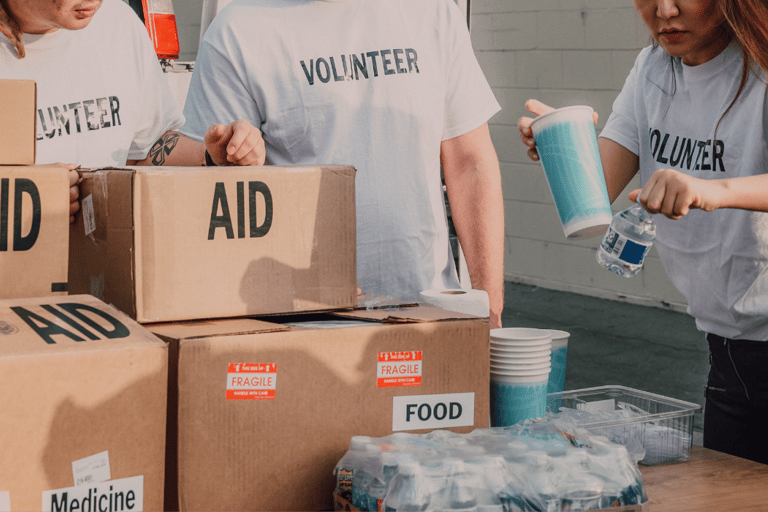
Volunteer organizations (disaster preparedness groups, wildlife conservation groups, and food banks always need help)
Hobby clubs, sports leagues, and fitness communities
Faith communities
Local service organizations
Your neighbors know things you don't yet — which routes avoid the school zone backup, which local restaurant is worth the wait, which contractor actually shows up when they say they will. Community connections are practical as much as they are social.


Getting to Know Florida
21. Explore Nearby Parks and Natural Areas
Florida's state park system — 175 parks across 800,000 acres — is consistently ranked among the best in the country. And beyond the state parks, Florida has wildlife management areas, national forests, springs, river paddling trails, coastal preserves, and natural areas that most newcomers don't discover until someone local points them out.
If you enjoy fishing or hunting, you'll need a Florida fishing and/or hunting license, available easily online at myfwc.com or at many retail locations. Florida residents pay lower rates than non-residents, and certain exemptions apply (children under 16, Florida residents 65 and older for freshwater fishing, and others).
Don't let the tourist version of Florida be the only version you experience. The real thing is better.
22. Learn Local Traffic Patterns
Florida traffic is not a monolith. Traffic in Miami is a different civilization from traffic in Ocala. Even within a single metro area, conditions vary dramatically by neighborhood, time of day, and time of year.
A few things to learn early in your specific area:
Peak commute hours and the best alternate routes
School zone timing and locations near your home
Seasonal patterns — snowbird season (roughly November through April) meaningfully increases traffic in many coastal communities
Toll road locations and the fastest SunPass lanes
Learning this before you need to be somewhere on time is considerably more enjoyable than learning it while late.
23. Get Familiar With Florida Wildlife
Florida's wildlife is genuinely remarkable and largely compatible with human life when both sides behave reasonably. A few guidelines worth knowing:
Alligators live in virtually every body of fresh or brackish water in Florida. Don't feed them (it's illegal), keep children and pets away from water's edge especially at dawn and dusk, and call FWC (1-866-392-4286) if an alligator is in a location where it poses a threat.
Black bears are present in many parts of the state, particularly Central and North Florida. Secure your trash cans, don't leave pet food outside, and know what to do if you encounter one (never run; make yourself look large and back away slowly).
Sea turtles nest on Florida beaches May through October. Respect posted nesting signs, never use white lights on nesting beaches at night, and if you find an injured sea turtle, call the FWC Wildlife Alert Hotline.
Most wildlife encounters in Florida are genuinely uneventful — and often memorable for the right reasons. Respect the wildlife and it largely takes care of itself.
24. Start Exploring Like a Local
Every Florida community has its own version of the things that make it worth living in — the local restaurant that nobody who didn't grow up here seems to know about, the kayak launch that doesn't show up on tourist maps, the farmers market with the actual local produce rather than the imported kind, the neighborhood that comes alive on Friday evenings.
These things are not hard to find once you start looking for them. Talk to your neighbors, follow local community pages, check your county's events calendar, wander your area with some intentional curiosity. The version of Florida that locals love is available to you — it just requires a little exploration to find.
25. Give Yourself Time
This is on the list because it genuinely belongs there.
Moving is a major life transition, and the administrative side of a Florida move is real enough that it's easy to feel buried in it for the first few weeks. Handle the deadline-driven items, work through the rest at a manageable pace, and resist the pressure to have everything figured out immediately.
By your second or third month, you'll have favorite routes, preferred grocery store hours, a sense of how the seasons here work, and the beginning of the local knowledge that makes anywhere feel like home.
Florida rewards patience with this. Give it a little room.
Florida New Resident Checklist FAQ
Do I need Florida insurance before registering my vehicle? Yes. Florida law requires proof of insurance from a Florida-licensed insurer — typically within 10 days of establishing residency — before you can complete vehicle registration. Your out-of-state policy does not satisfy this requirement.
What is Florida's Homestead Exemption and when do I file? The Homestead Exemption is a property tax benefit that reduces the taxable assessed value of your primary residence by up to $50,000. The filing deadline is March 1 of the tax year you want it to apply. Missing this deadline means waiting a full year. File through your county property appraiser's website.
Does homeowners insurance cover flood damage in Florida? No. Standard homeowners insurance does not cover flood damage. Flood insurance is purchased separately through the National Flood Insurance Program or private carriers and has a 30-day waiting period before coverage takes effect.
What is Florida's minimum auto insurance requirement? Florida is a no-fault state and requires at minimum $10,000 Personal Injury Protection (PIP) and $10,000 Property Damage Liability (PDL) from a Florida-licensed insurer.
When is hurricane season? Atlantic hurricane season officially runs June 1 through November 30, with peak activity typically between mid-August and mid-October.
Do I need to pass an emissions test to register my vehicle? No. Florida does not require statewide emissions testing for passenger vehicles.
What is SunPass? SunPass is Florida's electronic toll transponder system. It works on toll roads, bridges, and expressways throughout the state. Register online at sunpass.com or pick one up at many Florida retail locations. Get it early — toll roads are common in most Florida metro areas.
How do I establish Florida residency? Florida residency can be established through any of several actions: starting a job in Florida, enrolling children in a Florida public school, registering to vote, purchasing a home as your primary residence, or filing for the Homestead Exemption. Once residency is established, certain legal deadlines begin — including the 30-day window to transfer your driver's license and the requirement to obtain Florida auto insurance within 10 days.
What happens if I don't transfer my driver's license within 30 days of moving to Florida? Technically, driving with an out-of-state license after 30 days of established Florida residency is a violation of Florida law. In practice, the consequences depend on specific circumstances, but the risk isn't worth it — and transferring early avoids any complications during a traffic stop or license check.
What is the Save Our Homes cap in Florida? The Save Our Homes cap is a provision tied to Florida's Homestead Exemption that limits annual increases in your home's assessed value to 3% or the Consumer Price Index, whichever is lower. Over time — particularly in a rising real estate market — this cap can save long-term Florida homeowners significant amounts on their property tax bill. You must file for the Homestead Exemption first (deadline: March 1) to receive this protection.
One More Thing
If this checklist feels long, that's because a Florida move is a genuinely complete process — not just a change of address. But none of it is complicated, and most of it you'll only do once.
Handle the deadlines, check the financial items, and then let yourself enjoy why you moved here in the first place. The checklist ends. The Florida life doesn't.
More from Florida Current:
Best Places to Retire in Florida: A Genuine Guide for Real People Making Real Decisions
The Florida New Resident Checklist: 25 Things to Do After the Moving Truck Leaves
Florida Hurricane Season 2026 Explained: A Practical Guide for ResidentsFlorida Weather Guide: Month-by-Month Temperatures, Seasons, and What to Expect
Florida native Luana B. Gann brings more than 30 years of publishing, editing, and journalism experience to Florida Current. With a deep appreciation for the Sunshine State’s culture, lifestyle, and ever-changing landscape, she is dedicated to helping readers discover what’s new, noteworthy, and uniquely Florida.


CONTACT
Reach out for questions or feedback anytime.
contact@FLAcurrent.com
© 2026. All rights reserved.