Mold in Florida Homes: How to Stop It Before It Takes Hold
Luana B. Gann, Editor
6/17/2026
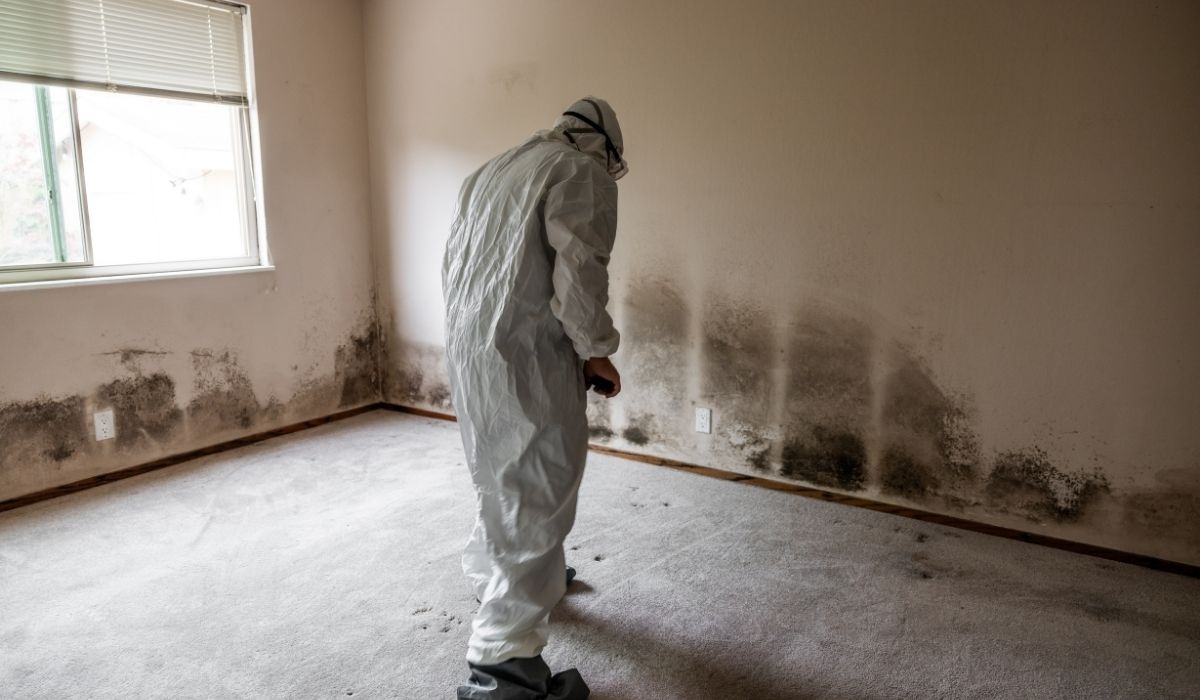
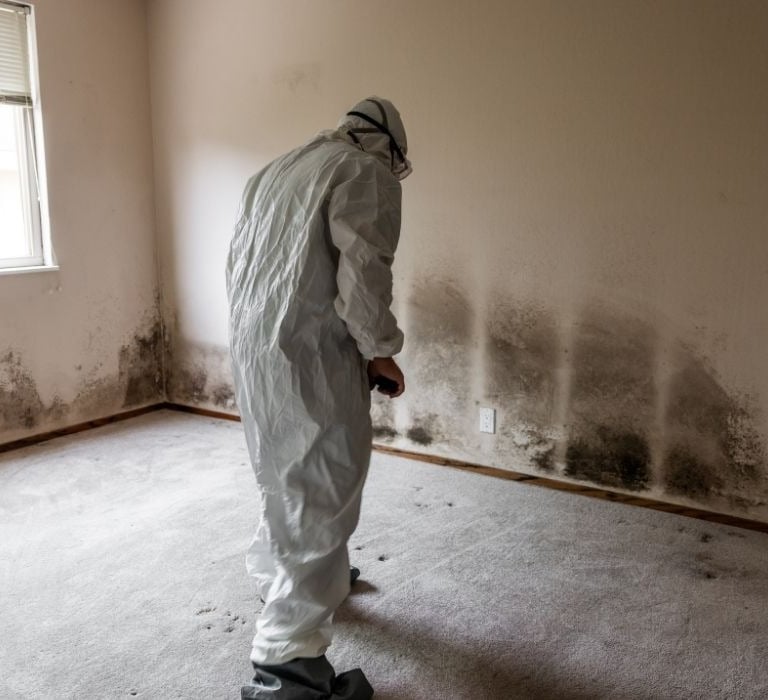
Quick Answer Preventing mold in a Florida home comes down to one fundamental: control moisture. In a state where outdoor humidity regularly tops 80% and temperatures stay warm year-round, mold has everything it needs except the moisture inside your home. Keep indoor humidity below 60% — ideally 50% — run your AC consistently, ventilate every moisture-generating room, inspect problem areas regularly, and address any water intrusion within 24 to 48 hours. That window is not a suggestion.
Table of Contents
Why Florida and Mold Are a Problem Worth Taking Seriously
Mold is a fact of life in Florida in a way it simply isn't in most other states. This is not an overstatement — it's climate science. Florida's combination of high heat, relentless humidity, frequent rain, and warm winters creates conditions that are as close to mold's ideal living situation as nature can produce. The state averages outdoor relative humidity between 70% and 90% depending on the season and region. Mold begins growing in 24 to 48 hours when moisture is present. You can see where this is going.
The good news: mold is largely preventable when you understand what it needs and where it looks for it inside your home. The bad news: Florida's climate means prevention requires consistent habits, not a one-time fix. This is a state where you cannot set it and forget it and come back to a clean house.
Mold is also not a cosmetic problem. Prolonged exposure to mold spores — particularly black mold (Stachybotrys chartarum) — can cause respiratory issues, chronic sinus problems, headaches, eye and skin irritation, and more serious health complications in people with allergies, asthma, or compromised immune systems. Children and the elderly are especially vulnerable. The Centers for Disease Control and Prevention and the Environmental Protection Agency both publish guidance on mold health effects that is worth reading if you have concerns about exposure.
This matters. It's worth your attention before mold finds yours.
How Mold Gets In and Why It Moves So Fast Here
Mold is not mysterious. It needs three things: moisture, warmth, and an organic surface to grow on. In Florida, it has warmth covered every month of the year. And organic surfaces — wood framing, drywall paper facing, ceiling tiles, carpet backing, fabric, even the dust on a hard surface — are everywhere in every home. The only variable you can control is moisture.
Moisture enters a Florida home in several ways, and knowing each one is the foundation of prevention.
Outdoor humidity infiltrating indoors. Every time a door or window opens in a Florida summer, warm, saturated outdoor air enters. In a home that isn't actively dehumidified, that moisture settles on surfaces and begins its work.
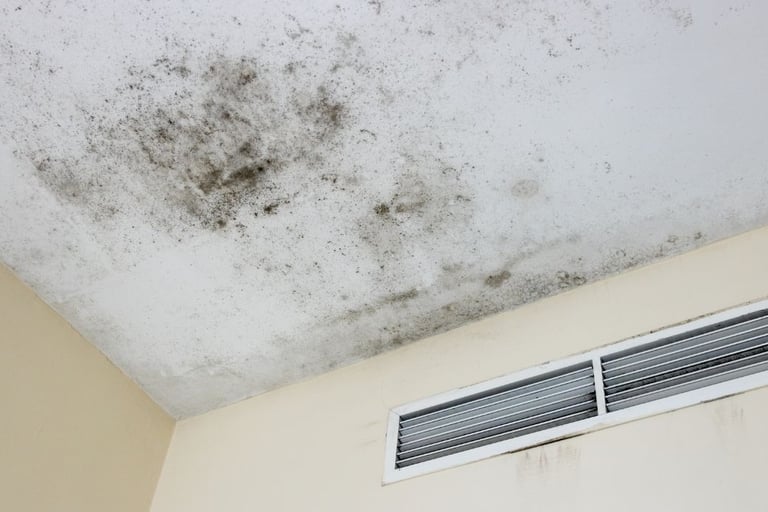
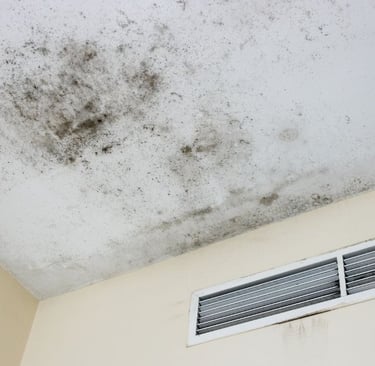
AC condensate. Florida air conditioning systems work extraordinarily hard compared to systems in cooler, drier climates — not just to cool the air, but to pull moisture out of it. In doing so, they produce significant amounts of condensate water through a drain line. When that drain line clogs — which happens regularly in Florida — water backs up into the air handler and overflows onto the ceiling, floor, or wall below. This is one of the most common sources of hidden water damage and mold in Florida homes, and most homeowners don't discover it until the damage is already visible.
Roof leaks. Florida's hurricane season, heavy rain events, and the wear UV exposure puts on roofing materials make roof leaks a consistent concern. A slow drip inside a wall or attic can feed mold for months before it becomes visible.
Plumbing leaks. Slow leaks under sinks, around toilets, behind washing machines, and beneath dishwashers provide a steady moisture source in enclosed spaces where airflow is limited and mold can establish itself without detection.
Flooding and storm surge. Hurricane and tropical storm events that bring water intrusion represent the highest-risk mold scenario in Florida. Once floodwater enters a home, the 24 to 48-hour clock before mold colonization begins is aggressive and unforgiving. Our Florida Hurricane Season article covers the post-storm response window in more detail.
The vacant home. This one is uniquely Floridian. Snowbirds who close their homes in April and return in November — or any owner who leaves a Florida home unoccupied for weeks or months — face a specific risk if the air conditioning is turned off or set too high. Without active cooling and dehumidification, a closed Florida home in summer becomes an incubator. Temperatures inside unoccupied homes can reach 90°F or above. Combined with high humidity, mold can establish a significant presence in a matter of weeks.
Florida Current Note If you're leaving your Florida home for more than a week during summer months, set your thermostat no higher than 80°F — many Florida professionals recommend 78°F — and leave a dehumidifier running if possible. Ask a neighbor or property manager to check inside monthly. Coming home to a mold problem that developed over an entire summer is one of the more expensive surprises a Florida homeowner can face.

The High-Risk Spots in Every Florida Home
Not all rooms are equal when it comes to mold risk. Knowing where to look — and look regularly — is half the battle.
HVAC system and ductwork. The air handler, evaporator coil, and supply ducts are where moisture and mold meet with uncomfortable frequency in Florida homes. The evaporator coil operates in a near-constantly wet environment. Ductwork that runs through unconditioned attic space sweats condensation when warm air meets cold surfaces. Mold inside ductwork is particularly problematic because the system then circulates spores throughout the entire home every time it runs.
Bathrooms. Every bathroom in a Florida home should have an exhaust fan that actually vents to the exterior — not just to the attic space — and it should run during every shower and for at least 20 minutes after. Grout lines in tile, caulk around tubs and showers, and the underside of bath mats are classic mold starting points.
Under sinks and around toilets. Cabinet spaces beneath kitchen and bathroom sinks trap moisture and limit airflow. Slow drips from supply lines or drain connections can go unnoticed for months. Make a habit of opening cabinet doors under every sink weekly.
Around windows and exterior doors. In Florida, warm humid air meets air-conditioned interior surfaces and condensation forms on window frames, glass, and the walls around exterior openings. Over time, this feeds mold on window sills and the surrounding drywall.
Attic spaces. Florida attics are brutal environments — extreme heat, humidity, and if roof ventilation is inadequate, moisture buildup. Roof leaks often show up in the attic before they reach living spaces below. Inspect your attic at least twice a year and after every significant storm.
Laundry rooms. Washing machines — particularly front-loaders — are notorious mold generators around door gaskets and detergent drawers. Dryer vents that aren't properly sealed or cleaned allow moisture to enter the room.
Behind large appliances. Refrigerators, dishwashers, and water heaters all involve water connections that can develop slow leaks in spaces that aren't routinely visible.

Mold Prevention High-Risk Areas and Actions
Control Indoor Humidity — This Is the Job
The EPA recommends keeping indoor relative humidity between 30% and 60%. In Florida, the target is the lower end of that range — 50% or below is the goal, and 60% is the ceiling above which mold risk rises meaningfully. A digital hygrometer, available at any hardware store for $10 to $20, tells you exactly what your indoor humidity is at any moment. Every Florida homeowner should own one.
Your air conditioning system is your primary dehumidification tool. A properly sized, well-maintained AC system running consistently is the single most important mold prevention investment in a Florida home. "Consistently" is the key word — turning the AC off to save money when you're away for the weekend in August is a trade that rarely pays off in Florida's climate.
A standalone dehumidifier adds meaningful protection in problem areas — garages, basements in the rare Florida homes that have them, laundry rooms, and any space that doesn't get adequate AC airflow. ENERGY STAR-certified dehumidifiers are more efficient and worth the investment for a Florida home.
Maintain Your HVAC System Religiously
In Florida, AC maintenance is not optional and it is not something to defer. Your system is running more months of the year, working harder per month, and producing more condensate than the same equipment in a cooler climate.
The condensate drain line is the component most Florida homeowners don't know about until it fails. This line carries moisture from the air handler to a floor drain or exterior outlet. In Florida's humid conditions, algae and sludge build up in the line and can clog it completely, causing the condensate pan to overflow and water to drip into your ceiling, wall, or floor. Flushing the line with a diluted bleach solution every one to three months — a five-minute task — prevents this. Many Florida HVAC companies offer a maintenance plan that handles this as part of a scheduled visit; given what a water-damaged ceiling costs to repair, the math favors the plan.
Change your air filter on schedule. A clogged filter restricts airflow across the evaporator coil, which causes the coil to freeze and then flood when it thaws — a significant water event inside your air handler. In Florida, most households should change filters every one to two months, not the three-month schedule appropriate in less-demanding climates.
Address the Building Envelope
Mold's entry points are often structural. Caulking around windows, doors, pipes, and penetrations degrades over time — especially under Florida's UV exposure and heat. Walk the exterior of your home annually and look for gaps, cracks, or failed sealant anywhere water or humid air could infiltrate. This is unglamorous work that prevents expensive problems.
Landscaping matters more than people expect. Soil, mulch, and plantings should slope away from the foundation — not toward it. Irrigation systems that spray onto the house, standing water near the foundation after rain, and gutters that deposit water against the foundation all feed moisture into the structure. Keep mulch at least six inches away from wood siding or trim.
Ventilate Actively
Bathroom exhaust fans that vent to the exterior — not the attic — are non-negotiable in Florida. If your fans vent into attic space, that moisture then feeds the attic, which is already Florida's most challenging room. Kitchen range hoods should also vent to the exterior. When outdoor conditions allow (lower humidity, mild temperatures — rare in summer, common in winter), opening windows and increasing fresh air circulation helps.
Florida Current Tip A hygrometer in each main area of your home — bedroom, living room, and any problem area like a laundry room or garage — costs less than $50 total and tells you exactly what your AC and ventilation are actually accomplishing. If any room consistently reads above 60%, that room needs attention before mold finds it first.

You Already Have Mold — Now What?
Finding mold in a Florida home is not a rare event and it is not a reason to panic — but it does require prompt, calm action.
Small Areas: What You Can Handle Yourself
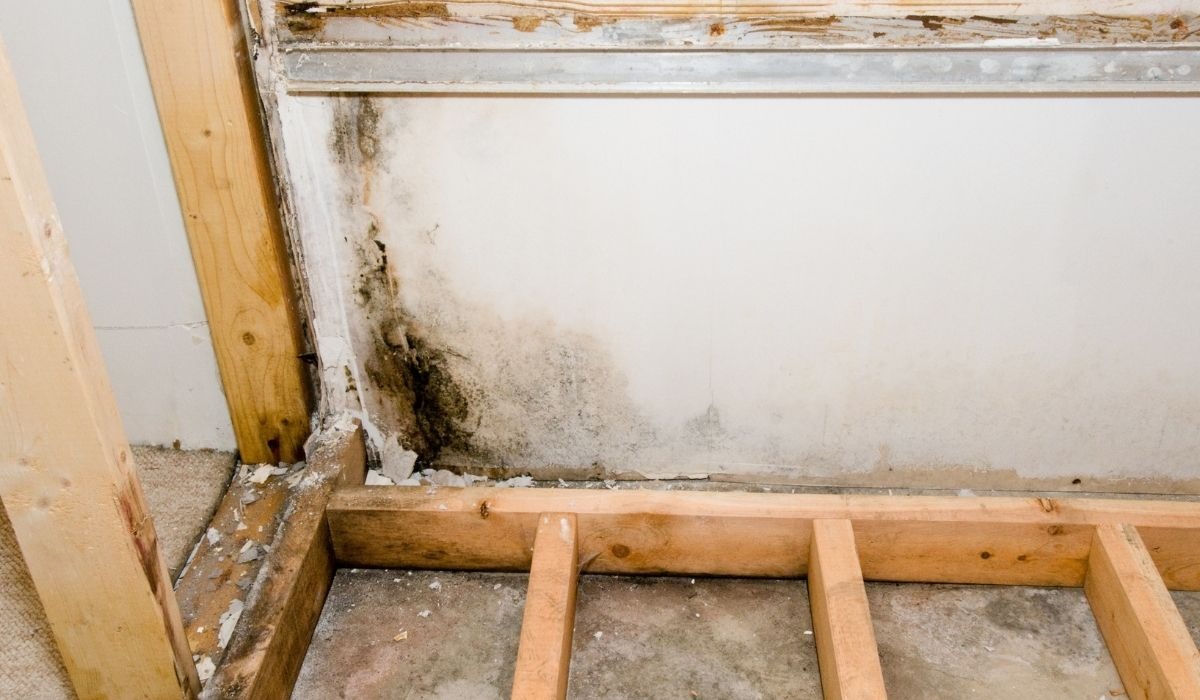
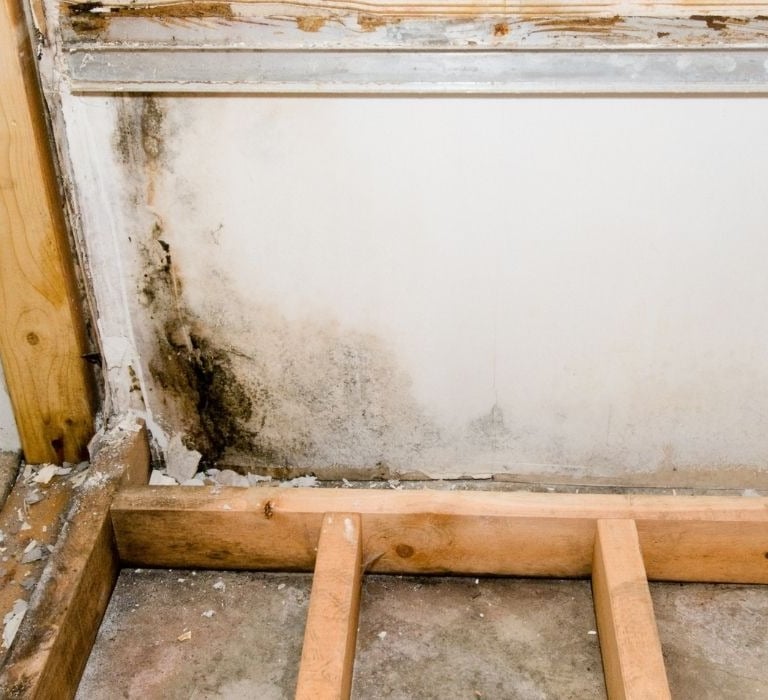
The EPA's general guideline is that mold covering less than 10 square feet — roughly a 3-foot-by-3-foot area — can be addressed by a careful homeowner without professional remediation. That applies to non-porous surfaces like tile, tubs, and sealed countertops. Porous materials — drywall, wood, insulation, carpet — are a different matter, because mold penetrates the material rather than just sitting on the surface, and surface cleaning doesn't remove it.
For small surface mold on tile or similar:
Wear an N-95 or better respirator, gloves, and eye protection — not because you're overreacting, but because disturbing mold releases spores
Clean with a solution of one cup of household bleach per gallon of water, or a commercially available mold and mildew cleaner
Ventilate the area thoroughly during and after cleaning
Dry the surface completely
Fix the moisture source before you clean the mold. Cleaning mold without addressing what feeds it is temporary at best.
When to Call a Professional
Some situations require a licensed professional and it's important to recognize them clearly.
Call a professional when:
The affected area exceeds 10 square feet
The mold is inside walls, ductwork, or ceiling cavities rather than on visible surfaces
The mold followed a flooding event or any significant water intrusion
Anyone in the household is experiencing unexplained respiratory symptoms, sinus issues, or allergies that have worsened
You smell a persistent musty odor but cannot identify the source — hidden mold is common in Florida walls near plumbing or in HVAC systems
The Florida Department of Health maintains public guidance on mold health concerns and remediation resources.
Florida Current Reminder After any hurricane, tropical storm, or flooding event, the 48-hour window before mold begins colonizing wet materials is real and unforgiving. If your home took on water, begin removing wet materials and drying the structure immediately — don't wait for the storm to fully pass, don't wait for insurance adjusters, and don't wait to see if things dry on their own in a Florida August. They will not. Speed is everything in post-flood mold prevention.
What Florida Homeowners Need to Know About the Law and Insurance
Florida Requires Licensed Mold Professionals
Florida takes mold seriously enough to regulate it. Under Chapter 468, Part XVI of the Florida Statutes, anyone performing mold assessment or mold remediation for compensation in Florida must be licensed by the state. This is not a technicality — it exists because unlicensed "mold removal" operations that don't properly contain and remediate mold can spread contamination throughout a home rather than resolve it.
The Florida Department of Business and Professional Regulation maintains a searchable database of licensed mold assessors and licensed mold remediators. Use it before hiring anyone. A licensed mold assessor evaluates the extent of a problem and writes a remediation protocol. A licensed mold remediator performs the actual work. These cannot be the same company on the same project in Florida — a protection for homeowners against conflicts of interest.
What Your Insurance Does and Doesn't Cover
Standard Florida homeowners insurance policies typically do not cover mold damage as a standalone claim. Coverage generally applies only when the mold resulted directly from a covered peril — a sudden, accidental pipe burst, for example — and many policies still limit or exclude mold remediation costs even then. Gradual leaks and maintenance-related moisture issues are almost universally excluded.
Some insurers offer mold endorsements as policy add-ons. If mold is a particular concern — because of your home's age, construction type, or history — ask your agent specifically about your policy's mold coverage and what endorsements are available.
This is one more reason that prevention is worth far more than remediation in Florida. Our Florida Homeowners Insurance article covers the broader landscape of what Florida policies do and don't cover, which is a subject that deserves its own careful attention.
Florida Current Take Florida homeowners who stay on top of AC maintenance, humidity monitoring, and regular inspections of the problem areas in this article rarely face serious mold situations. The homeowners who face expensive remediation projects are almost always dealing with something that had weeks or months to develop undetected — a slow drain leak under a sink nobody checked, a condensate line that backed up behind a wall, an attic that took on water after a storm and was never inspected. This is preventable. It just requires showing up and looking.

South Florida Culture FAQ
What humidity level prevents mold in a Florida home? Keep indoor relative humidity at or below 60% — ideally between 45% and 55%. Mold growth accelerates above 60%, and Florida's outdoor air frequently runs 70% to 90%. A digital hygrometer, available at any hardware store for $10 to $20, gives you your exact indoor reading at any time. If any room consistently reads above 60%, that space needs additional dehumidification or improved airflow before mold finds it.
Should I leave the AC on when I leave my Florida home for vacation? Yes. Set your thermostat to no higher than 80°F — many Florida professionals recommend 78°F — and leave it running. Turning the AC off in a closed Florida home in summer allows interior temperatures and humidity to climb rapidly, creating mold-growing conditions within days. The energy cost of keeping the system at a moderate setpoint is a fraction of what mold remediation costs.
What are the first signs of mold in a Florida home? A persistent musty or earthy smell — particularly in enclosed spaces like closets, under sinks, or in rooms near plumbing — is the most common early indicator. Visible mold appears as dark spots or discoloration on grout, caulk, drywall, or ceiling tiles. Unexplained allergy flare-ups, chronic sinus congestion, or respiratory irritation that improves when you leave the home can also indicate hidden mold before it becomes visible.
Can I remove mold myself or do I need a professional? Small surface mold on non-porous materials covering less than 10 square feet can generally be handled carefully by a homeowner using proper safety equipment and a bleach-water solution. Mold on drywall, wood framing, or insulation, mold inside walls or ductwork, or any mold that followed flooding should be handled by a Florida-licensed mold remediator. Florida law requires licensing for any paid mold remediation work.
Does Florida require licensed mold inspectors? Yes. Under Chapter 468, Part XVI of the Florida Statutes, anyone performing mold assessment or remediation for compensation must hold a state license. Licensed assessors evaluate the problem and write the remediation protocol. Licensed remediators do the work. Florida law prohibits the same company from both assessing and remediating the same project — a consumer protection worth knowing. Verify any contractor at the Florida Department of Business and Professional Regulation.
What is the single most important mold prevention step in a Florida home? Maintaining your AC condensate drain line. Florida air conditioners produce significant condensate water as they dehumidify. When the drain line clogs, water backs up into the air handler and overflows into your walls, ceiling, or floor. Flushing the line every one to three months with diluted bleach is a five-minute task that prevents one of the most common and most expensive hidden water damage situations in Florida homes.
Does homeowners insurance cover mold in Florida? Generally no, not as a standalone claim. Standard Florida policies cover mold only when it results directly from a covered peril — like sudden accidental pipe damage. Mold from gradual leaks, maintenance issues, or humidity infiltration is typically excluded. Some insurers offer mold endorsements as add-ons. Check your policy's specific mold language and ask your agent what's available.
Sources
U.S. Environmental Protection Agency, Mold and Moisture — epa.gov/mold
Centers for Disease Control and Prevention, Mold — cdc.gov/mold
Florida Department of Health, Mold and Indoor Air Quality — floridahealth.gov
Florida Department of Business and Professional Regulation, Mold-Related Services — myfloridalicense.com
Chapter 468, Part XVI, Florida Statutes — leg.state.fl.us
ENERGY STAR, Certified Dehumidifiers — energystar.gov
Florida Department of Financial Services, Homeowners Insurance Guide — myfloridacfo.com
Recommended Reading
Information current as of June 2026.
Florida Current covers weather, lifestyle, outdoor life, and everything that comes with living in the Sunshine State. Browse our Florida Living section for regional guides, seasonal activity calendars, retirement guides and practical advice from people who actually live here.
Florida native Luana B. Gann brings more than 30 years of publishing, editing, and journalism experience to Florida Current. With a deep appreciation for the Sunshine State's culture, lifestyle, and ever-changing landscape, she is dedicated to helping readers discover what's new, noteworthy, and uniquely Florida.
CONTACT
Reach out for questions or feedback anytime.
contact@FLAcurrent.com
© 2026. All rights reserved.