Best Cities to Live in South Florida: The Real Breakdown
Luana B. Gann, Editor
6/12/2026


⚡ Quick Answer South Florida — Miami-Dade, Broward, and Palm Beach counties — contains some of the most diverse, vibrant, and expensive real estate in the country. The best city depends entirely on who you are: Fort Lauderdale for the boating-and-beach crowd, Boca Raton for families who want top schools and safety, West Palm Beach for a growing arts scene at a lower price point, Weston for suburban calm, and Miami for people who want everything loud, beautiful, and expensive all at once.
TABLE OF CONTENTS
How South Florida Actually Works — Before You Pick a City
Most "best cities" articles hand you a list and call it done. This one is going to do something different — because South Florida doesn't work the way people expect, and choosing a city without understanding the regional context is how people end up miserable in a place they should love.
South Florida is three distinct counties stacked on top of each other: Miami-Dade at the bottom (the most urban, most international, most expensive), Broward in the middle (the transition zone — more suburban than Miami, more affordable, still coastal), and Palm Beach at the top (more space, slower pace, still beautiful, and increasingly popular with people priced out of Miami). The Keys sit below everything in Monroe County — spectacular, remote, and a different conversation entirely.
Traffic moves north-south on I-95 and the Florida Turnpike. There is no good east-west option. If your job is in Miami and you're considering living in Boca Raton — do the commute at rush hour before you sign a lease. What looks like 30 miles on a map can be 90 minutes on a Tuesday.
The other thing to understand: South Florida is one of the most culturally diverse regions in the United States. Miami-Dade is majority Hispanic, with Cuban, Colombian, Venezuelan, Haitian, and Brazilian communities that have shaped the city's food, language, music, and business culture in ways that are genuinely extraordinary. If you move here expecting "American suburb" — you're going to be surprised. If you move here open to something different — you're going to love it.
Cost of living across all three counties is high by Florida standards. Homeowners insurance, in particular, is a significant line item. Read Florida Current's Florida Homeowners Insurance: The Honest Breakdown before you start budgeting. And check Florida Property Taxes and the Homestead Exemption — the homestead exemption and Save Our Homes cap matter significantly in a region where home values have climbed steeply.
🌊 Florida Current Take South Florida is not for everyone — and that's not an insult to anyone. It's genuinely one of the most stimulating, beautiful, frustrating, and expensive places to live in America. The people who thrive here are the ones who came for what it actually is, not what they imagined it might be. Go in eyes open and it can be extraordinary. Go in expecting a quiet, affordable beach lifestyle and you'll spend three years convincing yourself it gets better.
Miami-Dade County — The Cities Behind the Skyline
Miami
Miami is not a city — it's a collection of neighborhoods with very different personalities stitched together under one name. Understanding which Miami you're talking about matters enormously.
Brickell is Miami's financial district — glass towers, rooftop pools, walkable to restaurants and the Brickell City Centre mall, and genuinely urban in a way that most of Florida is not. Young professionals and finance workers cluster here. Expect to pay $3,000–$5,000/month for a two-bedroom apartment in a new building. It's dense, loud, and energizing.
Wynwood started as a warehouse district and became one of the most photographed neighborhoods in Florida — murals, galleries, restaurants, bars, and now luxury apartments moving in alongside the art. It's creative, young, and increasingly expensive. The vibe is New York's Bushwick in a place where it never gets cold.
Coconut Grove is Miami's oldest neighborhood — bayfront, tree-canopied streets, a slightly bohemian personality that has survived waves of gentrification. More relaxed than Brickell. Families with money, artists with money, and long-time locals all coexist here, improbably well.
Coral Gables sits just south of Miami proper and deserves its own mention. Mediterranean Revival architecture, a grand civic identity, the University of Miami, Miracle Mile for shopping, and Biscayne Bay access. It's one of the most beautiful planned communities in America and it knows it. Median home prices hover around $750,000–$1.2 million. Worth every penny for the right buyer.
Key Biscayne is an island off Miami accessible by the Rickenbacker Causeway — quiet, safe, extraordinary beach access, and prices that reflect all of that. Plan on $1.5 million+ for a single-family home. It's its own world.
South Miami and Pinecrest offer a quieter, more suburban version of Miami-Dade living — good schools, tree-lined streets, lower density, and a bit more breathing room than the urban core. Still expensive, but the trade-off is livability.
What Miami costs:
Median home price: $600,000–$750,000+ (varies significantly by neighborhood)
Average 2BR apartment: $2,800–$4,500/month depending on location
Property taxes: Miami-Dade runs approximately 18–22 mills
Best for: People who want an international, urban, culturally rich lifestyle and can afford to pay for it. Remote workers, finance and tech professionals, entrepreneurs, empty nesters with high incomes.
Honest downside: Traffic is genuinely bad. The cost of living is high by any measure. Flood insurance adds significantly to housing costs in many areas. Summer humidity is intense.

Broward County — The Middle Ground Most People Overlook
Broward County sits between Miami-Dade and Palm Beach and frequently gets treated as a throughway rather than a destination. That's a mistake. Broward offers some of the best value in South Florida — real beach access, real culture, and real communities without Miami's price tag or its traffic.
Fort Lauderdale
Fort Lauderdale is the most significant city in Broward and genuinely one of the most livable places in South Florida. Known internationally as the "Venice of America" for its 165 miles of waterways, it has a boating and water culture that is woven into daily life in a way Miami's isn't. The downtown Las Olas corridor has evolved into a legitimate dining and arts destination. Visit Lauderdale tracks the area's cultural events and growth.
The beach at Fort Lauderdale is excellent — wide, well-maintained, and without the South Beach circus. The neighborhoods north of downtown (Victoria Park, Flagler Village, Colee Hammock) have developed strong residential identities with walkability and community character.
What it costs:
Median home price: $480,000–$600,000
Average 2BR apartment: $2,200–$3,200/month
Broward millage rates: approximately 18–21 mills
Best for: Boating enthusiasts, young professionals, couples without children, beach-focused buyers, people who want Miami's energy at a discount.
Honest downside: Some neighborhoods have flooding concerns — check FEMA flood maps before buying anything. Fort Lauderdale-Hollywood International Airport creates noise corridors in some areas.
Hollywood
Hollywood sits between Fort Lauderdale and Miami and has one of South Florida's genuinely unique features — the Hollywood Broadwalk, a 2.5-mile promenade along the beach that is flat, walkable, and lined with restaurants and shops. It's one of the most pleasant beach-adjacent daily-living environments in Florida.
Hollywood has attracted a significant international community — French-Canadian snowbirds in particular have made it a second-home destination for decades, giving it a quirky multicultural character. Home prices are more accessible than Fort Lauderdale proper, and the beach quality is excellent.
Best for: Budget-conscious beach lovers, retirees, buyers who want walkability without Miami prices.
Weston
Weston is a master-planned community in western Broward — inland, no beach access, but one of the safest, most family-oriented cities in South Florida. Consistently ranked among the best places to raise children in Florida. Excellent schools, low crime, well-maintained infrastructure, and a strong community identity.
It's also home to a large Venezuelan-American community, and the cultural influence on the city's restaurants, businesses, and community character is significant and genuinely enriching.
What it costs:
Median home price: $550,000–$700,000
No beach access — western Broward is 30–45 minutes from the coast
Best for: Families prioritizing school quality and safety above all else. People who don't need daily beach access and want suburban calm.
Coral Springs
Coral Springs is another family-focused Broward city — slightly more affordable than Weston, with solid schools, good parks, and a well-run local government. It consistently ranks among the safest cities in Florida. Less flashy than Weston, more practical. A good choice for families who want quality of life without the prestige price tag.
Pompano Beach
Pompano Beach is Broward's most underrated city — beach access, a marina district, and a genuine up-and-coming energy as investment and restaurant development have started transforming the downtown and beachside areas. More affordable than Fort Lauderdale with improving amenities. Worth watching.
Best for: Value-oriented buyers willing to get in early on a neighborhood trajectory.
Palm Beach County — Where South Florida Starts to Breathe
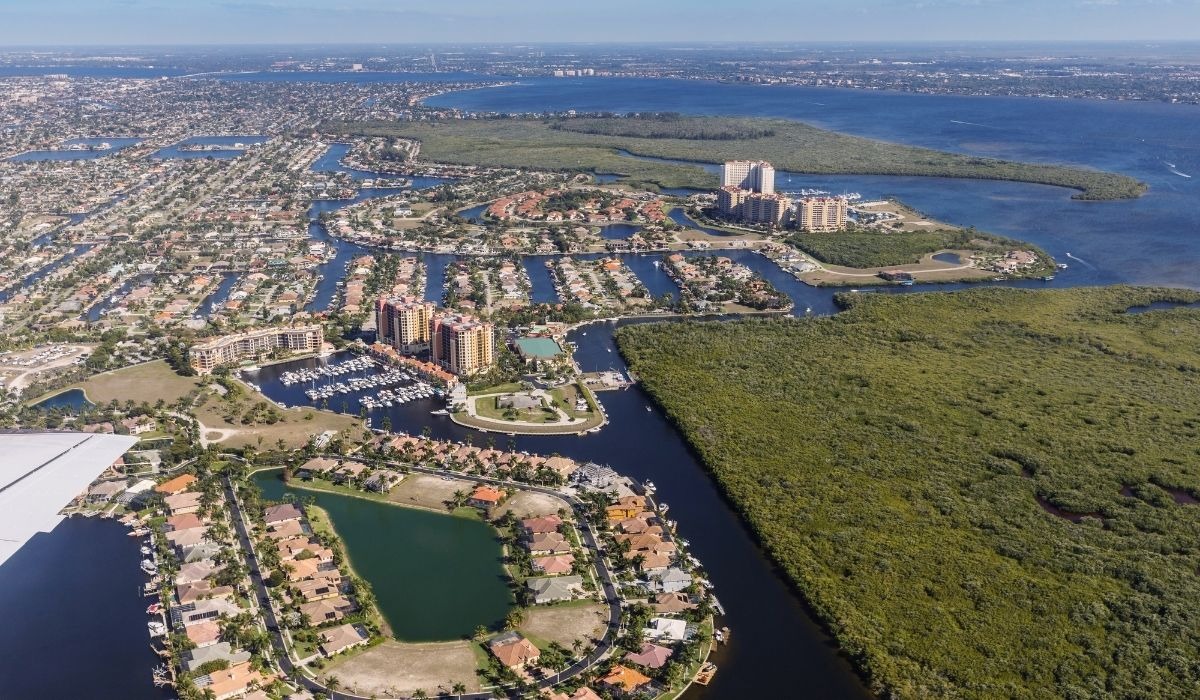
Palm Beach County is where South Florida gets more space, more green, and slightly more manageable. Still expensive by national standards — but meaningfully less expensive than Miami-Dade, with excellent beaches, a growing arts and dining scene, and demographics shifting as remote workers and retirees from the Northeast discover it.
West Palm Beach
West Palm Beach has had a remarkable decade. The Clematis Street corridor and the Warehouse District have developed genuine dining and entertainment scenes. The Norton Museum of Art is world-class. Rosemary Square is walkable and active. The city has absorbed significant investment and population growth and is benefiting from proximity to Palm Beach Island (the ultra-wealthy enclave across the Intracoastal) without its price tag.
Visit the City of West Palm Beach for development updates — this city is actively growing and the trajectory is positive.
What it costs:
Median home price: $420,000–$550,000
Average 2BR apartment: $2,000–$2,800/month
Meaningful value gap vs. Miami for similar lifestyle quality
Best for: Young professionals, remote workers, arts-and-culture seekers, buyers who want a growing city with upside.
Honest downside: Some neighborhoods have crime disparities — research specific areas carefully. The growth is real but uneven.
Boca Raton
Boca Raton is polished, safe, and expensive — and proud of all three. Florida Atlantic University anchors the education community. The beaches are excellent. Town Center mall is a regional hub. The schools in the Boca Raton area consistently rank among the best in Palm Beach County.
It has a reputation as a retirement community, which is partly accurate and partly outdated — a significant younger professional and family demographic has moved in over the past decade, particularly in communities near FAU and the growing tech corridor along I-95. The Greater Boca Raton Chamber of Commerce tracks the business community growth.
What it costs:
Median home price: $550,000–$750,000
Luxury waterfront and gated communities: $1 million–$5 million+
Best for: Families with children in K-12, retirees, professionals who value safety and amenities above edge and energy.
Honest downside: It can feel sanitized. If you want grit, character, and discovery — Boca Raton is not your city.
Delray Beach
Delray Beach is the sleeper hit of Palm Beach County. Atlantic Avenue — a walkable, vibrant strip of restaurants, bars, boutiques, and galleries running from downtown to the beach — is one of the genuinely great main streets in Florida. The beach is beautiful. The food scene is real. The city has managed growth while retaining character, which is not easy.
It draws an interesting mix: retirees, young professionals, artists, and serious foodies. It's less corporate than Boca, less intense than Fort Lauderdale, and genuinely fun in a way that's hard to engineer. Delray Beach has extensive community information and event calendars.
What it costs:
Median home price: $480,000–$620,000
Atlantic Avenue-adjacent condos: premium pricing
Best for: People who want walkability, dining culture, beach access, and a community that feels alive without feeling overwhelming. One of the best all-around livability options in South Florida.
Boynton Beach
Boynton Beach is Boca Raton's more affordable neighbor — similar location, lower price point, less prestige. For buyers who want Palm Beach County access without Boca prices, it's worth a look. The downtown is developing. The beach is good. The schools are solid.
Best for: Budget-conscious Palm Beach County buyers, value seekers, first-time homebuyers in the region.

What Every South Florida Resident Deals With
Before you fall in love with a city, know what comes with the territory across all of South Florida.
Homeowners Insurance
South Florida's hurricane exposure and flood risk make insurance expensive across the board. Miami-Dade and Broward coastal properties can see annual homeowners insurance premiums of $5,000–$15,000 or more, plus separate flood insurance if required. This is not negotiable and it is not going away. Budget for it before you buy. See our Florida Homeowners Insurance guide for the full picture.
Traffic
I-95 and the Florida Turnpike through Miami-Dade and Broward are among the most congested corridors in the country. The Palmetto Expressway in Miami-Dade has been under construction in some form for most of living memory. If your daily commute requires I-95 between 7–9 a.m. or 4–7 p.m., add 45 minutes to whatever Google Maps tells you.
Hurricane Preparedness
Living in South Florida means having a hurricane plan. It's not a reason not to live here — it's just a fact. A solid plan costs you an afternoon and a reasonable emergency kit. Our Florida Hurricane Season Explained article covers exactly what you need.
Summer Heat and Humidity
June through September in South Florida is hot, humid, and punctuated by daily afternoon thunderstorms. The locals adapt. Air conditioning is not optional.
Cost of Living Trajectory
South Florida's cost of living has risen significantly since 2020. Rents, home prices, and insurance have all climbed. The value gap vs. New York or California remains real but has narrowed. Plan your budget conservatively and read our Cost of Living in Florida article before finalizing your numbers.
💡 Florida Current Tip Before committing to any South Florida city, spend at least one weekend there in July or August — not December. The winter version of South Florida is a different place than the summer version. If you can love it in the heat and humidity, you'll love it year-round. If the July version makes you question your life choices, that's important data.


What Surprises New Arrivals After the Move
Florida delivers on most of what draws people here. But several realities catch newcomers off guard, and it's worth knowing them before you arrive rather than after.
Homeowners Insurance
This is the number one financial shock for Florida newcomers. The state's hurricane exposure and insurance litigation history have pushed premiums significantly above the national average — and many people moving from other states budget nothing for it. If you're buying a home, get insurance quotes before you close, not after. Read Florida Current's Florida Homeowners Insurance: The Honest Breakdown before you sign anything.
Summer Heat and Humidity
Temperatures of 90–95°F combined with humidity that makes the heat index feel like 100–110°F is the reality of June through September. Most Floridians adapt — early mornings, air conditioning, water activities — but it's a genuine adjustment, particularly in the first summer.
Hurricane Season
June 1 through November 30, with August through October being the peak period. The risk is real and manageable. Preparation — not panic — is the correct posture, and most Floridians develop a routine. See Florida Current's Florida Hurricane Season Explained for a full practical breakdown.
The Cost of Living Has Risen
Florida in 2025 is not Florida in 2015. Housing prices have increased substantially in most desirable markets. The bargain gap between Florida and high-cost states has narrowed, though it remains meaningful. Our Cost of Living in Florida article breaks down what things actually cost across different cities and lifestyles.
Traffic
As mentioned above, the I-4 corridor between Tampa and Orlando has been among the most congested highways in the country for years. I-95 in South Florida is its own category of experience. Factor commute time into any housing decision.
🌿 Florida Current Take The people who thrive after moving to Florida are usually the ones who came for the right reasons — not to escape a bad situation somewhere else, but because they genuinely wanted what Florida offers. The tax savings are real. The weather is real. The lifestyle is real. So is the humidity in August, the insurance bill, and the learning curve of hurricane preparedness. Going in clear-eyed on both sides of the ledger is what makes the move work.

FAQ: Best Cities to Live in South Florida
What is the best city to live in South Florida overall? There is no single answer — it genuinely depends on your priorities. For urban energy and international culture: Miami. For families and school quality: Weston or Boca Raton. For beach lifestyle at a reasonable price: Fort Lauderdale or Hollywood. For walkability and dining culture: Delray Beach. For young professionals on a relative budget: West Palm Beach. The best city is the one that matches your lifestyle, your income, and what you're willing to trade off.
What is the most affordable city in South Florida? Within the three main counties, Homestead (Miami-Dade), Pompano Beach and Deerfield Beach (Broward), and Boynton Beach (Palm Beach) represent the more affordable options. Homestead is the most dramatically affordable but comes with significant commute trade-offs if your work is in Miami proper.
Is Fort Lauderdale better to live in than Miami? For many people — yes. Fort Lauderdale offers similar beach and coastal lifestyle, a real dining and culture scene, and meaningfully lower housing costs than Miami. It's less intense, less international, less congested, and less expensive. Whether that's "better" depends on whether those trade-offs sound like relief or loss to you.
What South Florida city has the best schools? Weston and Coral Springs in Broward County and Boca Raton in Palm Beach County consistently rank among the top school districts in South Florida. St. Johns County (not South Florida, but worth knowing if schools are your primary driver) is the top-ranked district in the state.
Is South Florida good for retirement? It depends on the lifestyle you want in retirement. Boca Raton, Delray Beach, and the communities along the Palm Beach County coast have excellent retirement infrastructure — healthcare, culture, community, and beautiful weather. Miami is less traditional for retirement but attracts active, culturally engaged retirees. Read Florida Current's Best Places to Retire in Florida for a full statewide comparison.
How much do you need to earn to live comfortably in South Florida? A comfortable single-person life in most South Florida cities requires a household income of $70,000–$90,000 minimum. For a family purchasing a home in a desirable area with children in activities and reasonable savings capacity, $120,000–$150,000 is a more realistic floor. Miami's urban core requires more.
What is the safest city in South Florida? Weston consistently ranks among the safest cities in Florida and in the country by crime rate metrics. Coral Springs, Boca Raton, and Parkland also rank highly. Within Miami-Dade, Pinecrest and Key Biscayne are among the safer communities.
Recommended Reading
Every South Florida decision connects to something else on Florida Current:
Why Are So Many People Moving to Florida? — the big picture on Florida's population boom
The Florida New Resident Checklist — after you choose your city, here's what comes next
Sources: U.S. Census Bureau American Community Survey (census.gov), Miami-Dade County Property Appraiser (miamidade.gov), Broward County Property Appraiser (bcpa.net), Palm Beach County Property Appraiser (pbcpao.gov), Florida Department of Education school rankings (fldoe.org), Redfin and Zillow median home price data (2025–2026) Information current as of June 2026.
Florida Current covers lifestyle, local community guides, retirement living and relocation questions across the Sunshine State. Anything you want to know about Florida, just ask Florida Current! The facts, not the fluff.
About the Author
Florida native Luana B. Gann brings more than 30 years of publishing, editing, and journalism experience to Florida Current. With a deep appreciation for the Sunshine State's culture, lifestyle, and ever-changing landscape, she is dedicated to helping readers discover what's new, noteworthy, and uniquely Florida.

CONTACT
Reach out for questions or feedback anytime.
contact@FLAcurrent.com
© 2026. All rights reserved.