Florida's Sponge Capital and the Greek Town That Time Forgot to Change
Luana B. Gann, Editor
6/18/2026
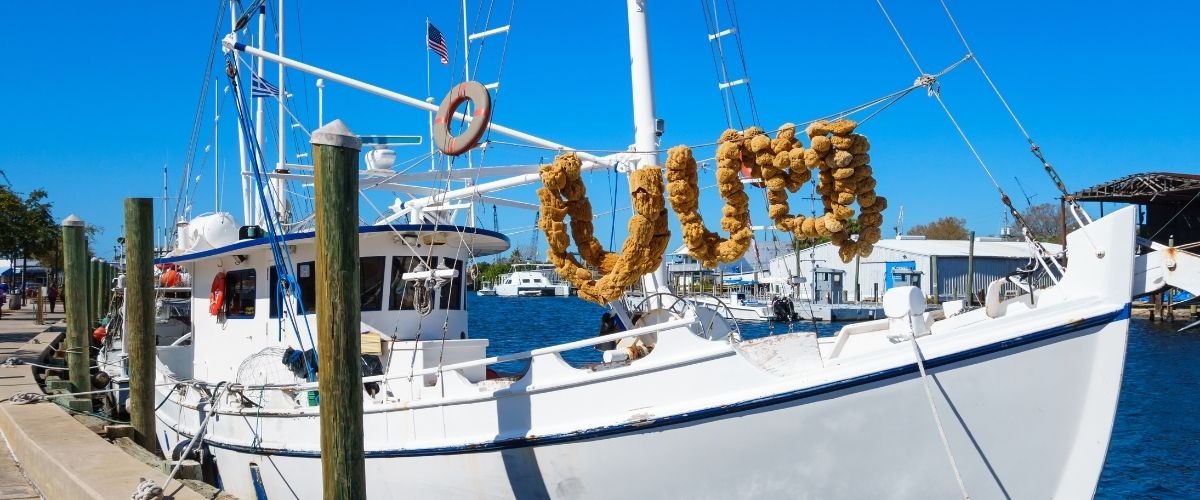
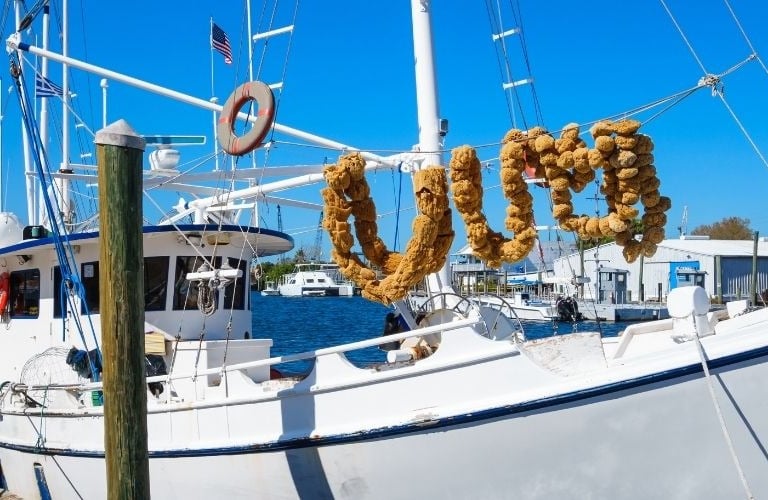
Quick Answer Tarpon Springs, on Florida's Gulf Coast in Pinellas County north of Clearwater, is known as the Sponge Capital of the World and is home to the largest Greek-American community in the United States. The town's identity was shaped in the early 1900s when Greek sponge divers from the Dodecanese islands arrived, transformed a quiet resort town into a booming sponge harvesting center, and then simply stayed — bringing their food, faith, festivals, and language with them. More than a century later, the Sponge Docks are still operating, the Greek Orthodox cathedral still stands, and the baklava is still excellent.
Table of Contents
Welcome to the Most Unexpectedly Greek Place in Florida
Florida surprises people. That's kind of its whole thing. But even Floridians who think they've seen all the state's quirks occasionally encounter Tarpon Springs and stop for a moment.
You're driving north from Clearwater on the Gulf Coast, and suddenly the signs are in Greek. The restaurants have names like Hellas and Mykonos. There's a cathedral that looks like it was lifted wholesale from the Mediterranean and set down gently on the banks of a bayou. Men at the docks are hauling natural sponges off boats. The air smells like salt water and pastry.
This is Tarpon Springs, a city of about 25,000 people in Pinellas County, and it is — without question — the most Greek place in America. Not Greek-influenced, not Greek-inspired. Greek. The community has maintained its language, its religion, its food, its festivals, and its traditions so continuously and so genuinely that visiting feels less like a Florida day trip and more like an afternoon in the Dodecanese islands, with palm trees.
It got this way because of sponges. Natural, hand-harvested Gulf of Mexico sponges, the kind that were once a staple of American households before synthetic alternatives took over. And it stayed this way because the people who came to harvest them decided they'd found their place in the world and weren't going anywhere.
How the Sponge Industry Found Tarpon Springs
Tarpon Springs was founded in 1876 when a man named A.W. Ormond arrived and established a settlement named for the abundance of tarpon fish in the local waters. By 1884, the town had a post office. By the 1890s, it had developed into a modest winter resort popular with wealthy Northerners — the kind of quiet Gulf Coast town that served warm weather, lovely scenery, and a slow pace to people who had too much of none of those things up north. One thing worth knowing before any Gulf Coast beach day: our article on the Florida red tide explains how to check conditions before you go.
The sponge connection came almost by accident, or more precisely by observation. Natural sponge beds had long existed in the waters around Tarpon Springs, and a small hook-based sponge harvesting operation had been running since around 1890. Sponges were big business in the late 19th century — natural sponges were the cleaning and bathing standard, and the demand was real. But hook harvesting — dragging the ocean floor with a hook from the surface — was slow and destructive, damaging more than it collected.
What Tarpon Springs needed, it turned out, was Greeks.

The Greek Divers Who Changed Everything
In the early 1900s, a Greek businessman named John K. Cocoris recognized what the Gulf waters around Tarpon Springs actually held: one of the richest natural sponge beds in the Western Hemisphere. Cocoris, who had connections to the sponge-diving communities of the Greek Dodecanese islands — particularly the island of Kalymnos, which had been a center of the Mediterranean sponge trade for centuries — understood that the right diving method could transform the entire operation.
He brought the divers over. Between approximately 1905 and 1910, a wave of Greek immigrants — primarily from Kalymnos and other Dodecanese islands — arrived in Tarpon Springs. They brought with them a tradition of deep-sea sponge diving using hard-hat helmeted suits and weighted boots, a technique that allowed them to walk the ocean floor and harvest sponges by hand at depths that hook harvesting couldn't reach. It was more effective, less destructive, and produced a far superior product.
The results were transformative. Tarpon Springs became the largest sponge market in the United States. At its peak in the 1930s and 1940s, the Tarpon Springs fleet numbered more than 200 boats, and the town's sponge industry was processing millions of pounds of sponges annually. The Greek population grew rapidly, and with it came the infrastructure of a fully realized community: the Greek Orthodox church, the Greek language schools, the Greek bakeries and restaurants, the Greek social organizations.
Florida Current Note The Dodecanese islands, from which most of Tarpon Springs' founding Greek community came, are a chain of Greek islands in the southeastern Aegean Sea — the same island chain that includes Rhodes, Kos, and Patmos. The Kalymnians in particular had been professional sponge divers for generations. They recognized the Gulf of Mexico's sponge beds as an extraordinary resource and treated them accordingly.

The Sponge Docks: Then, Now, and Still Worth the Trip
The Sponge Exchange — a building where sponges were auctioned to buyers — was built in 1908 and still stands on the waterfront. The surrounding area, now known as the Sponge Docks, runs along Dodecanese Boulevard (yes, that is the actual street name) and is the commercial and cultural heart of Greek Tarpon Springs.
In the 1940s, the industry faced a near-fatal double blow. A red tide event and a fungal blight devastated the Gulf sponge beds, destroying much of the harvest. Around the same time, synthetic sponges began entering the market, reducing demand for the natural product. Many of the Greek families who had built their lives around sponge diving had to pivot. Some left. Many stayed.
The community that remained kept the culture alive through its institutions — the church, the festivals, the food, the language — even as the economic foundation shifted. And then, in the 1980s, something unexpected happened: the natural sponge beds recovered. New sponge beds were discovered. Environmental consciousness and a growing preference for natural products over synthetic ones brought buyers back to natural sponges. Tarpon Springs quietly reclaimed its title as the Sponge Capital of the World.
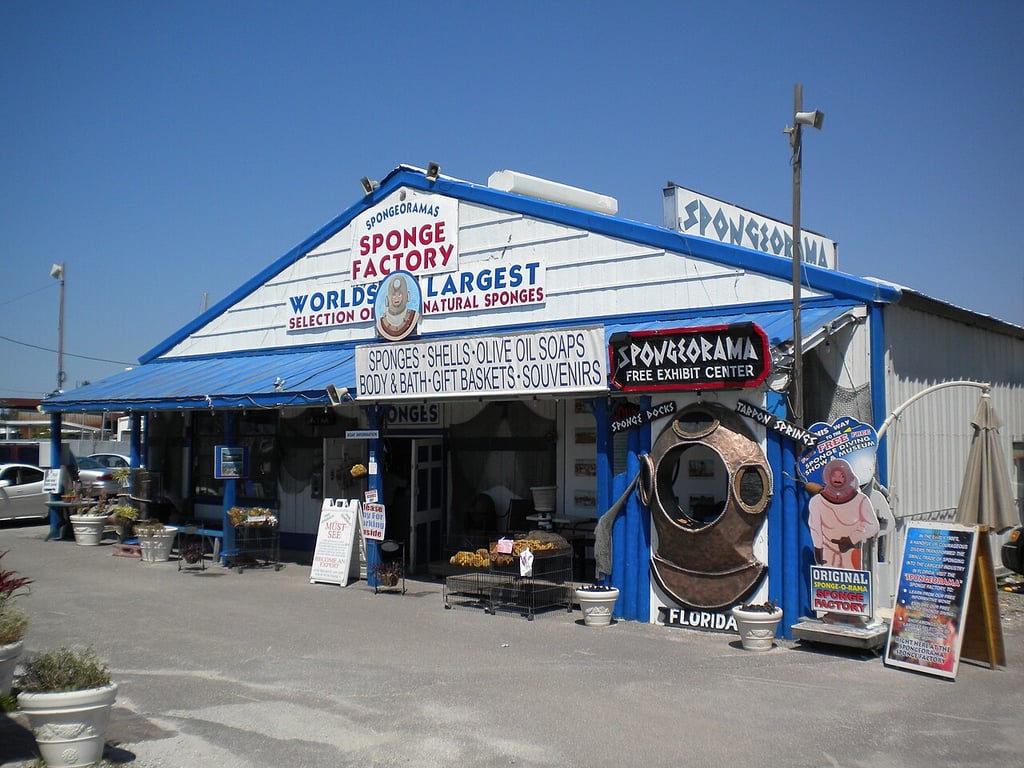
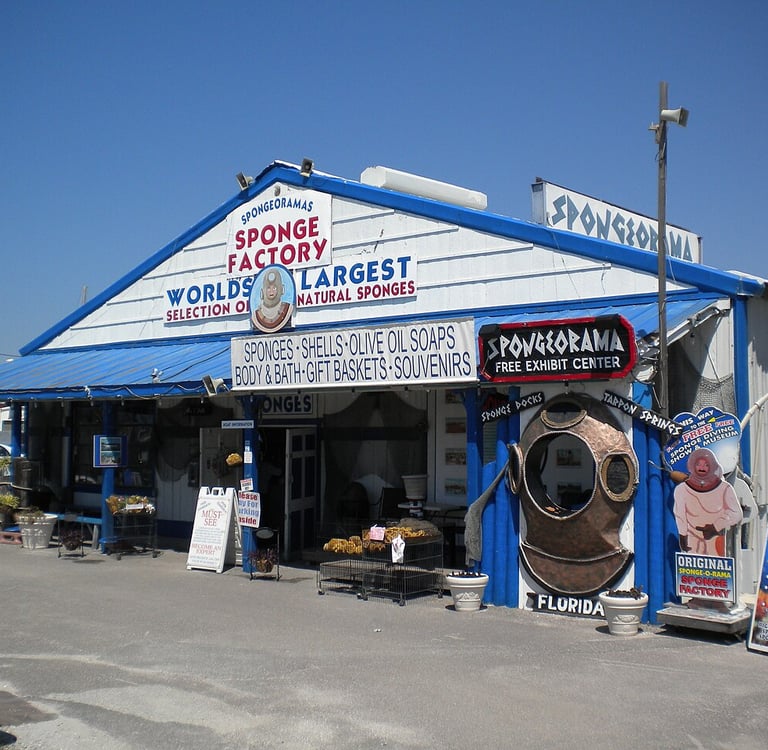
Today, the Sponge Docks are a working waterfront and a major tourist destination simultaneously. You can buy natural sponges off the boat. You can watch a sponge-diving demonstration. You can take a boat tour through the bayou. The shops along Dodecanese Boulevard sell everything from sponges to Greek ceramics to evil-eye charms to handmade lace. The whole strip is listed on the National Register of Historic Places.
Florida Current Tip The Sponge Docks are open daily, with most shops and restaurants running from around 10 a.m. to 9 or 10 p.m. Spring Bayou — the body of water at the heart of the historic district — is a five-minute walk from the docks and is worth the stroll. It's also the site of the Epiphany celebration every January 6.
Leonard J. DeFrancisci
Tarpon Springs Visitor Quick Reference
Epiphany on the Bayou: Florida's Most Unusual January Celebration
Every January 6, something happens in Tarpon Springs that stops traffic, fills the bayou with boats, draws hundreds of thousands of spectators, and has been happening — without interruption — for over a century.
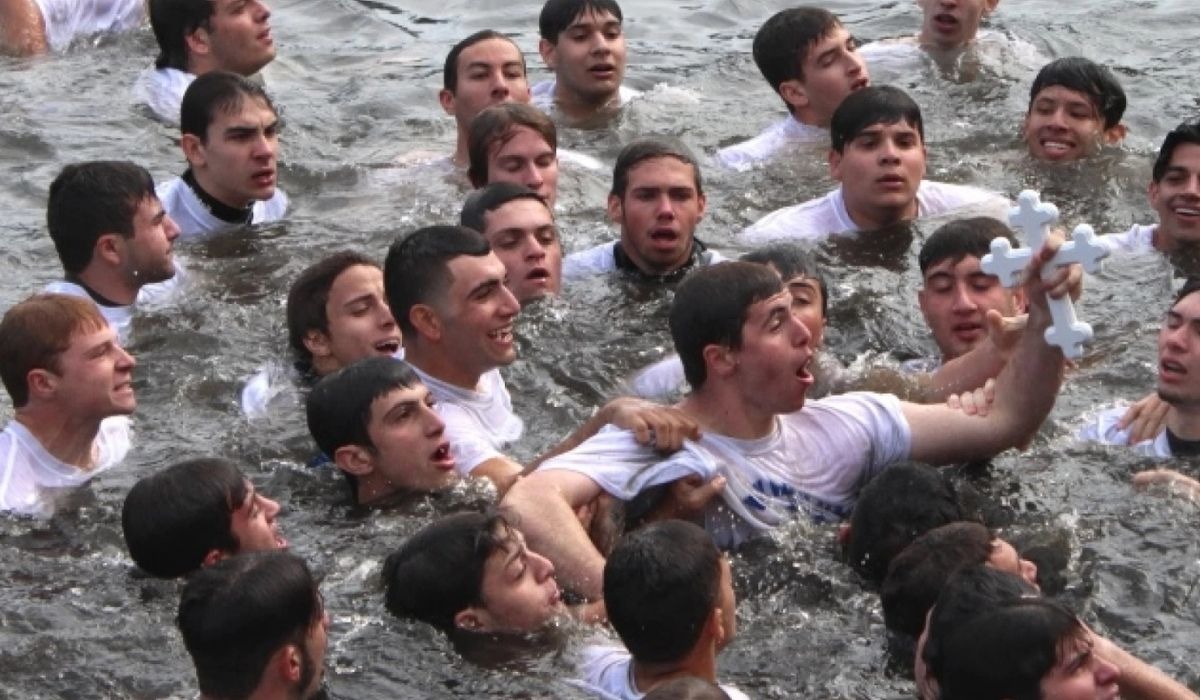
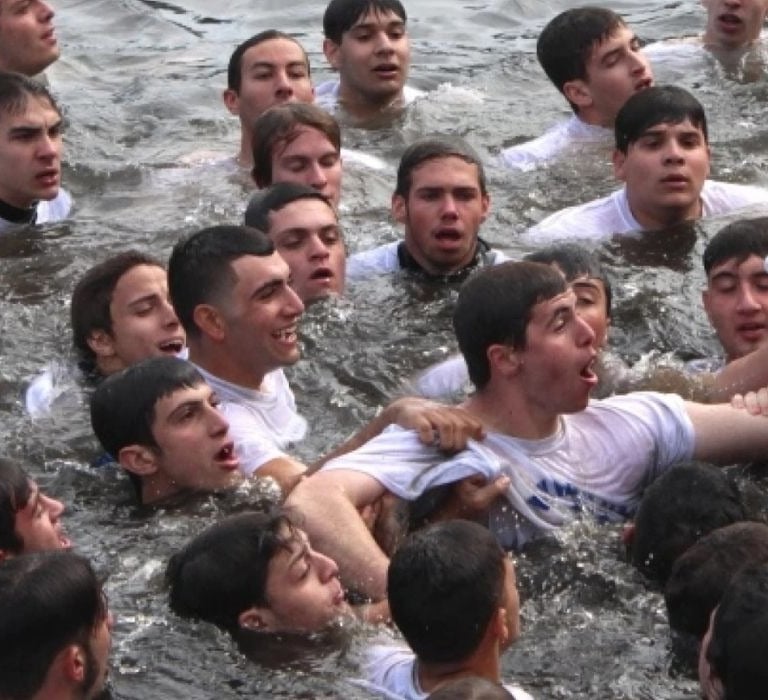
The Greek Orthodox Epiphany celebration is one of the oldest and most distinctive religious and cultural traditions in Florida. On the morning of January 6, the Greek Orthodox Bishop of the Diocese of Atlanta leads a ceremony at St. Nicholas Greek Orthodox Cathedral, then processes with the community to Spring Bayou. There, a golden cross is blessed and thrown into the cold winter water of the bayou.
A group of young men — divers selected for the honor — plunge into the water after the cross. The one who retrieves it is said to receive the blessing of good health and good fortune for the year ahead.
It sounds simple. What it actually is, is extraordinary. The ceremony is conducted in full liturgical Greek, with the cathedral bells ringing, the bayou packed with spectators on all sides, boats lining the water, white doves released into the January sky. It is genuine — not performed for tourists, not staged for cameras — a living religious tradition that has been practiced here since the first Greek divers settled in Tarpon Springs and brought their faith with them.
The celebration draws visitors from across the state and the country every January. Hotels fill up. Restaurants extend their hours. The Sponge Docks become part of the extended celebration. If you have ever wanted to experience something in Florida that is unlike anything else in Florida, this is it.
Roberto Roldan/WUSF Public Media
Food, Faith, and a Sense of Place
What keeps Tarpon Springs feeling genuinely Greek — rather than Greek-themed — is the combination of three things: the food, the faith, and the fact that the families who built this community are still here.
The food is the real thing. The Greek restaurants along the Sponge Docks are not tourist approximations of Greek cooking — they are, in many cases, run by families who have been making the same dishes for generations. Spanakopita made with phyllo that shatters when you bite it. Saganaki — the flaming cheese — accompanied by the ritualistic "Opa!" that somehow never gets old. Fresh baklava made with honey and pistachios. Loukoumades — small honey-drizzled fried dough balls that are basically the original donut and should be recognized as such. Greek coffee. Lamb. Seafood pulled out of the Gulf that morning.
The faith is St. Nicholas Greek Orthodox Cathedral, completed in 1943 and modeled loosely after the Hagia Sophia in Istanbul. It is one of the most architecturally remarkable buildings in Florida, and it is an active parish — not a museum, not a monument, but a working church with services every week and a congregation that has kept the traditions of the Greek Orthodox faith alive in this corner of the Gulf Coast for more than a hundred years.
The families are the third piece. Tarpon Springs is not a theme park version of Greek culture. The Greek surnames are in the phone book. Greek is still spoken in the community. Second, third, and fourth generation families still operate the businesses their great-grandparents opened. The Greek Orthodox church school still teaches Greek language and culture to children whose great-great-grandparents arrived by boat from Kalymnos.
Florida Current Take Tarpon Springs is one of those Florida destinations that rewards the visitor who goes slowly. The Sponge Docks are easy to rush through in two hours. But if you sit down for a real Greek meal, take the boat tour, walk over to Spring Bayou, and wander through the side streets toward the cathedral, you start to understand why the people who came here a century ago never left.

Tarpon Springs FAQ
Why is Tarpon Springs called the Sponge Capital of the World? Because at its peak in the 1930s and 1940s, it was the largest sponge market in the United States. Greek sponge divers who arrived in the early 1900s introduced deep-sea diving techniques that allowed for efficient, large-scale harvesting of the Gulf's abundant natural sponge beds. The industry declined in the 1940s due to red tide and blight, but the sponge beds recovered and Tarpon Springs remains an active natural sponge harvesting and selling center today.
Is Tarpon Springs worth visiting? Genuinely, yes. It's one of the more distinctive day trip destinations in Florida — a real cultural experience rather than a simulated one. The Sponge Docks have working boats, tours, and authentic Greek restaurants and bakeries. The Greek Orthodox cathedral is an architectural landmark. The community has maintained its Greek language, faith, and food traditions continuously since the early 1900s. Few places in Florida feel quite this specific.
What is the Tarpon Springs Epiphany celebration? The Greek Orthodox Epiphany, held every January 6, is one of the largest such celebrations in the United States. A bishop leads a ceremony at St. Nicholas Cathedral, then processes to Spring Bayou, where a golden cross is blessed and thrown into the water. Young men dive to retrieve the cross, and the diver who succeeds receives a blessing for the year ahead. It draws hundreds of thousands of spectators and has been held continuously in Tarpon Springs for over a century.
How far is Tarpon Springs from Tampa? Approximately 45 to 50 minutes north of downtown Tampa via US-19 or the Suncoast Parkway, and about 30 minutes north of Clearwater. It's an easy, well-worthwhile day trip from anywhere in the Tampa Bay area.
Can you still buy natural sponges in Tarpon Springs? Yes. Natural sponges harvested from the Gulf of Mexico are sold at the Sponge Docks and in shops throughout the waterfront area. They come in a range of sizes and types, are significantly more durable and different in texture than synthetic sponges, and are naturally antimicrobial. Buying a sponge in Tarpon Springs is probably the most Florida-appropriate souvenir decision you can make.
What Greek food should I try in Tarpon Springs? Spanakopita, saganaki (the flaming cheese, accompanied by the mandatory "Opa!"), moussaka, loukoumades — honey-drizzled fried dough that is basically the original donut — fresh baklava, and strong Greek coffee. The seafood is fresh. The portions are generous. Several restaurants along Dodecanese Boulevard have been in operation for decades.
Where did the Greek community in Tarpon Springs come from? Primarily from the Dodecanese islands of Greece, particularly the island of Kalymnos, a centuries-old center of the Mediterranean sponge trade. Greek immigrants began arriving in significant numbers around 1905 to 1910, recruited largely by businessman John K. Cocoris, who recognized the Gulf's extraordinary natural sponge resources. Their descendants remain in Tarpon Springs today, maintaining Greek language, Orthodox faith, and cultural traditions across multiple generations.
Sources
Sponge Docks Tarpon Springs — spongedocks.net
Visit Florida — "Discover the Sponge Docks of Tarpon Springs" — visitflorida.com
Forbes — "The Greek Sponge Divers of Tarpon Springs" — forbes.com
Tarpon Springs Area Historical Society — tarponspringshistorical.org
City of Tarpon Springs — tarponsprings.com
St. Nicholas Greek Orthodox Cathedral, Tarpon Springs — stnicholastarponsprings.com
Recommended Reading
South Florida Culture: Loud, Layered, and Like Nowhere Else on Earth
Walt Disney's Big Florida Secret: How He Changed the Sunshine State Forever
Information current as of June 2026.
Florida Current covers weather, lifestyle, outdoor life, and everything that comes with living in the Sunshine State. Browse our Florida Living section for regional guides, seasonal activity calendars, retirement guides and practical advice from people who actually live here.
Florida native Luana B. Gann brings more than 30 years of publishing, editing, and journalism experience to Florida Current. With a deep appreciation for the Sunshine State's culture, lifestyle, and ever-changing landscape, she is dedicated to helping readers discover what's new, noteworthy, and uniquely Florida.

CONTACT
Reach out for questions or feedback anytime.
contact@FLAcurrent.com
© 2026. All rights reserved.